 blog
5 Benefits of Botanical Oils for Face
Table of Contents
- 5 Benefits of Botanical Oils for Face
- Deep Hydration and Moisture Retention
- Skin Barrier Support and Protection
- Softness, Texture, and a Luminous Complexion
- Antioxidants, Vitamins, and Nutrient Delivery
- Soothing Irritation and Balancing Oil Production
- How to Use Face Oil in Your Skincare Routine
- Choosing the Best Face Oil for Dry Skin
- Frequently Asked Questions
Last Updated: October 7, 2026
5 Benefits of Botanical Oils for Face
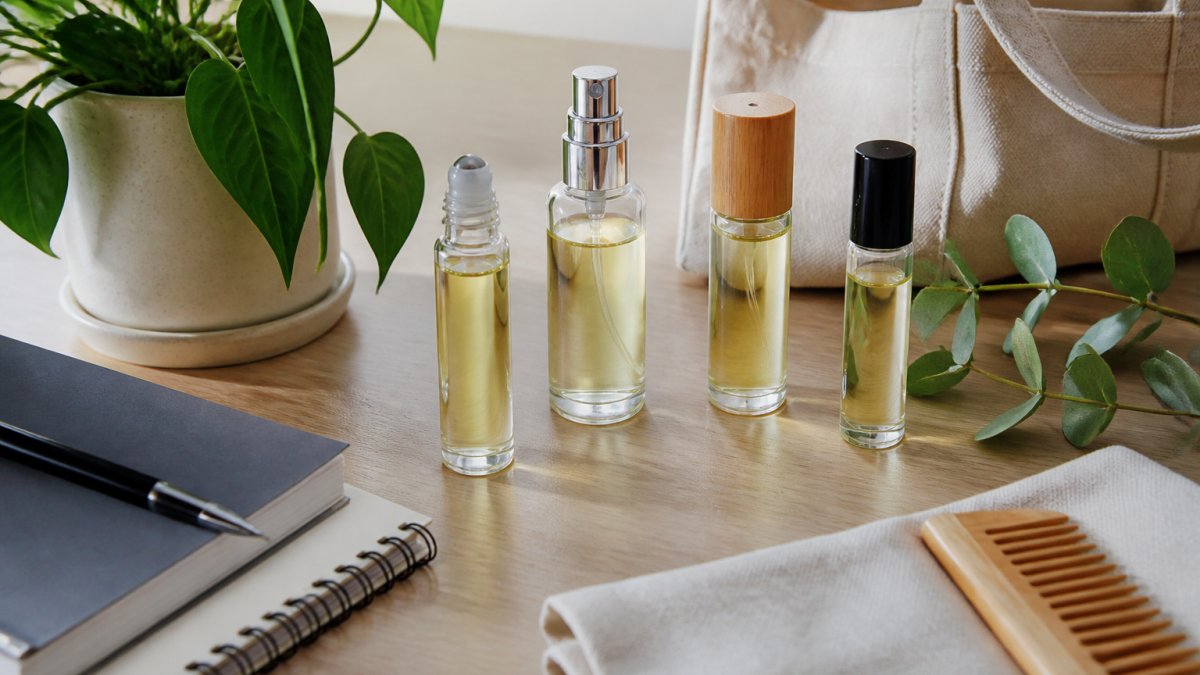
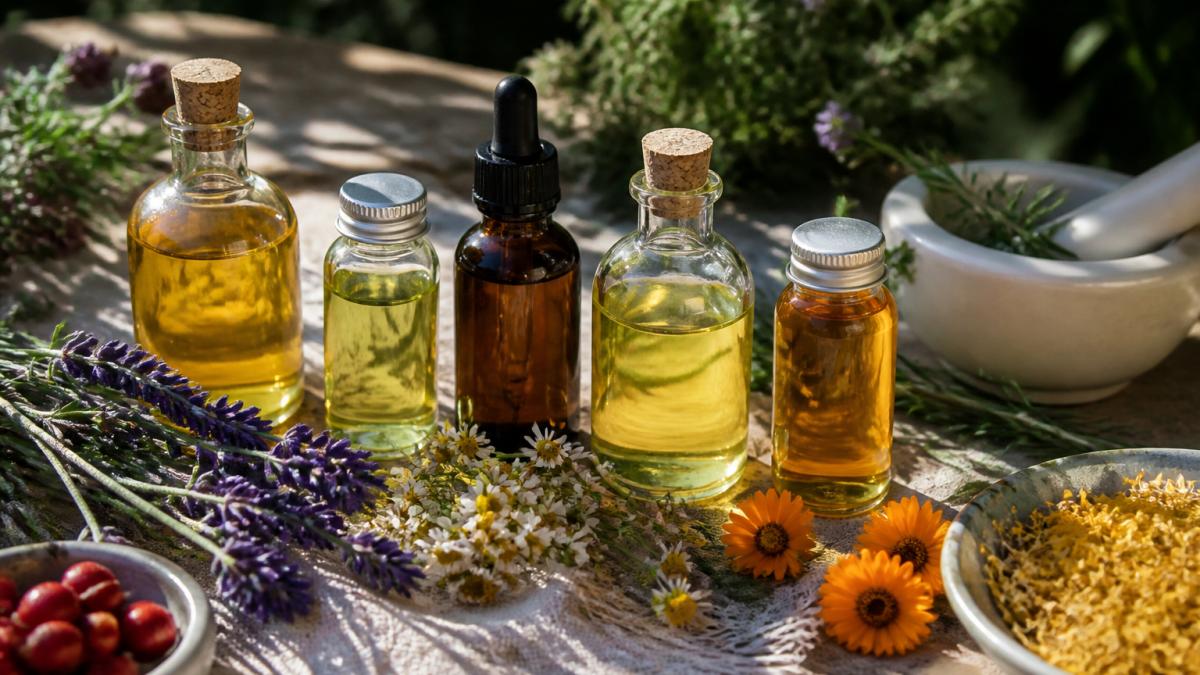
Botanical oils are plant-based oils pressed from seeds, nuts, and fruits, used to nourish and protect facial skin. This guide from The Beekeeper’s Basket covers the five biggest benefits of botanical oils, plus how to use them without clogging your pores.
Here is the short version: the 5 benefits of botanical oils for face are deep hydration, barrier support, softer texture, antioxidant delivery, and calming oil balance. We will walk through each one below.
But first, here is what most guides get wrong. They treat all botanical oils as one ingredient. They are not. A lightweight oil like jojoba behaves nothing like a heavy oil like coconut. Choosing the wrong one is why some people break out and give up.
According to the American Academy of Dermatology, plant oils can help skin retain water when used correctly. The key word is correctly.
At The Beekeeper’s Basket, we make bee-inspired skin products in small batches, so we think hard about what goes into a formula. Below, we show you exactly how each benefit works and how to pick the right oil for your skin.
Deep Hydration and Moisture Retention
Botanical oils do not add water to your skin. They seal water in. That difference matters more than most people realize.
Here is the science in plain terms. Your skin loses water all day through a process called transepidermal water loss. Oils sit on the surface and slow that loss down. This is why a facial oil works best layered over a damp moisturizer, not instead of one.
A few practical points:
- Apply oil within a minute of washing your face, while skin is still damp
- Use 2-3 drops for the whole face, not a full dropper
- Press the oil in with your palms instead of rubbing
Skin Barrier Support and Protection
Your skin barrier is the outer layer that keeps irritants out and moisture in. When it weakens, you get redness, stinging, and flaking.
Many plant oils contain fatty acids that support this barrier. Linoleic acid and oleic acid are the two you will see named most often. Oils high in linoleic acid tend to suit oily and acne-prone skin. Oils high in oleic acid suit dry, tight skin.
This is where most advice falls apart. People copy a routine from someone with a totally different skin type. The oil that saved their barrier can wreck yours.
What to look for:
- Dry or mature skin: richer oils that feel cushiony
- Oily or combination skin: lighter oils that absorb fast
- Sensitive skin: plain, single-ingredient oils with no added fragrance
Softness, Texture, and a Luminous Complexion
Smoother skin texture is the benefit people notice first. Oils fill the tiny gaps between dead skin cells, so light reflects more evenly. That is the glow.
You will not get glass skin overnight. Most people see a difference in softness within a week of consistent use. Fine lines look softer too, because dry skin makes them look deeper than they are.
A common mistake is over-applying. More oil does not mean more glow. It means a greasy pillowcase and possibly clogged pores.
Keep it simple:
- 2-3 drops at night is plenty for most skin
- Skip oil in the morning if you wear makeup
- Exfoliate gently once or twice a week so oil can absorb
Antioxidants, Vitamins, and Nutrient Delivery
Plant oils carry fat-soluble vitamins, mainly vitamin E, along with antioxidants that help defend skin against daily stress from sun and pollution.
Vitamin E is the workhorse here. It is a natural antioxidant, and it also helps keep the oil itself from going rancid. That is one reason cold-pressed oils are worth seeking out. Heat during processing can strip some of these compounds.
One honest caveat: oils are a supporting player, not a sunscreen. Antioxidants help, but they do not replace sun protection.
Soothing Irritation and Balancing Oil Production
Here is the counterintuitive part. Oily skin can benefit from oil.
When skin is stripped by harsh cleansers, it can overproduce sebum to compensate. A light, non-comedogenic oil can signal that skin does not need to panic. The result is often a calmer, less shiny complexion over time.
Calming oils also help with stressed skin. Redness and irritation often ease when the barrier is supported, which circles back to benefit number two.
Best oils for this job:
- Jojoba: closest to skin's own sebum, good for most types
- Rosehip: light, rich in linoleic acid, popular for acne-prone skin
- Squalane: very light and rarely irritating
How to Use Face Oil in Your Skincare Routine
Order matters. Get it wrong and your oil sits on top of everything and does nothing.
The correct order is thinnest to thickest. Cleanser, toner, water-based serum, moisturizer, then oil last at night. Oil goes after your moisturizer because it seals everything in. If you use sunscreen in the morning, apply it after any morning oil, or skip morning oil entirely so you do not dilute your sun protection.
Here is a simple routine to follow:
- Cleanse with a gentle, non-stripping cleanser
- Apply a hydrating toner or serum to damp skin
- Smooth on your moisturizer
- Warm 2-3 drops of oil between your palms
- Press, do not rub, over your face and neck
- Use at night to start, then add mornings if your skin likes it
Damp versus dry skin: apply oil while skin is still slightly damp from your moisturizer. Oil is an occlusive, not a humectant, so it seals in existing water rather than adding any. On bone-dry skin, it can feel greasy and do less.
How much: 2-3 drops for the whole face is plenty for most people. More oil does not mean more benefit. It means a greasy pillowcase and a higher chance of clogged pores.
How often: start with three to four nights a week. If your skin tolerates it, move to nightly. Oily and combination skin often do best with every other night or a lighter oil.
Carrier oils versus essential oils. Carrier oils, like jojoba, rosehip, and squalane, are the base and are used directly on skin. Essential oils are concentrated plant extracts and must be diluted in a carrier oil before touching your face. Never apply a pure essential oil straight to your face. Common essential oils like citrus, peppermint, and lavender can irritate skin or cause sun sensitivity, so many dermatologists suggest avoiding them on the face altogether.
Patch testing. Before using a new oil on your face, apply a small amount to your inner forearm and wait 24 to 48 hours. If you see redness, itching, or swelling, do not use it on your face. Stop use immediately if irritation develops.
When to see a professional. If you have reactive skin, active acne, rosacea, eczema, or are using prescription topicals like retinoids, check with a dermatologist before layering in a new oil. Some oils can interfere with how prescription products absorb.

Choosing the Best Face Oil for Dry Skin
Dry skin needs oils rich in oleic acid that absorb slowly and leave a lasting protective layer. But "best oil" depends on more than dryness. The table below maps common botanical oils to skin concern, texture, and the fatty acid that drives their behavior, so you can match an oil to your skin instead of copying someone else's routine.
| Oil | Dominant fatty acid | Texture | Best for |
|---|---|---|---|
| Jojoba | Oleic + linoleic (wax ester) | Light, fast | Most types, oily, acne-prone |
| Rosehip | Linoleic | Light, dry | Acne-prone, uneven tone |
| Squalane | Oleic (stable) | Very light | Sensitive, all types |
| Sweet almond | Oleic | Medium | Dry, normal |
| Marula | Oleic | Medium-light | Dry, mature |
| Avocado | Oleic | Heavy, rich | Very dry, mature |
| Argan | Oleic + linoleic | Medium | Normal, dry |
| Coconut | Lauric | Heavy | Body, not most faces |
How to read this: oils high in linoleic acid (rosehip, jojoba) tend to suit oily and acne-prone skin because they stay lighter and are less likely to feel occlusive. Oils high in oleic acid (avocado, marula, sweet almond) feel richer and cushion dry, tight skin. Argan sits in the middle and works for many people as a default.
If your skin is dry and sensitive, start with a single-ingredient oil. Fewer ingredients means fewer chances of a reaction. Patch test on your inner arm for two days before using anything on your face.
Oils to avoid on face, or at least use with care:
- Coconut oil: heavy and comedogenic for many people
- Citrus essential oils: can cause sun sensitivity
- Heavily fragranced blends: a common trigger for irritation
A note on comedogenicity: ratings are not absolute. An ingredient rated high on a comedogenic scale may still be fine for you, and a low-rated oil can still clog pores on some skin. Treat ratings as a starting filter, not a verdict.
If you have a diagnosed skin condition like rosacea or eczema, check with a dermatologist before adding new oils. The National Eczema Association offers guidance on ingredients that tend to be gentler.
For a simple starting point, look for cold-pressed, single-ingredient oils with no added scent. Our handcrafted, small-batch products at The Beekeeper's Basket are made fresh in New England with gentle, natural ingredients, so you can start your oil routine with something made with care.
Frequently Asked Questions
Can botanical oils help dry facial skin?
Yes. Botanical oils like jojoba, rosehip, and sweet almond are rich in fatty acids that reinforce the skin barrier and slow moisture loss, which is why they work well for dry skin. Apply a few drops to slightly damp skin after moisturizer to seal in hydration. For very dry or sensitive skin, start with one oil at a time and patch test on your jawline for 24 hours before using it on your whole face.
How do you apply face oil in a skincare routine?
Cleanse, apply water-based serums, then moisturizer, and finish with face oil as the last step to seal everything in. Warm two to four drops between your palms and press gently onto your face and neck instead of rubbing. Use it at night for most skin types, or in the morning if your skin is very dry. A drop mixed into your moisturizer works too if full-strength oil feels heavy.
What oils should you avoid using on your face?
Skip coconut oil if you are acne-prone, since it is comedogenic and can clog pores. Avoid undiluted essential oils like citrus, peppermint, and cinnamon, which can burn or irritate skin. Fragrance-heavy blends and mineral oil are also worth avoiding if your skin is sensitive. Always check labels for added synthetic fragrance, and patch test any new botanical oil before applying it broadly.
Can face oils clog pores or cause breakouts?
They can if you choose the wrong oil or use too much. Non-comedogenic options like jojoba, squalane, and grapeseed absorb quickly and suit most skin types, including oily skin. Heavy oils such as coconut and wheat germ are more likely to clog pores. Start with two drops, apply to clean skin, and give it two weeks. If you notice new congestion, switch to a lighter oil or use it only on dry areas.
Adding a new step to your routine can feel risky, especially if your skin has reacted badly to products before. The Beekeeper’s Basket makes small-batch, bee-inspired skin care with gentle, natural ingredients, so you can nourish your skin without harsh additives. Explore our handcrafted collection and find something your skin will thank you for. LET'S EXPLORE!