 blog
5 Best Gentle Cleansers for Rosacea-Prone Skin
Table of Contents
- How We Chose the 5 Best Gentle Cleansers for Rosacea
- The Best Face Wash for Rosacea: 5 Gentle Cleansers Compared
- 1. Vanicream Gentle Facial Cleanser: The Minimalist Pick
- 2. La Roche-Posay Toleriane Hydrating Gentle Cleanser: The Cream Option
- 3. CeraVe Hydrating Facial Cleanser: The Barrier-Support Value
- 4. Cetaphil Gentle Skin Cleanser: The Classic Non-Foaming Choice
- 5. Paula's Choice Calm Redness Relief Cleanser: The Soothing Gel
- Ingredients to Avoid in Rosacea Cleansers
- How Often Should I Wash My Face If I Have Rosacea?
- How to Patch Test and Introduce a New Cleanser
- Choosing the Right Cleanser for Your Skin Type
- Conclusion: Building a Gentle Cleansing Routine That Works
- Frequently Asked Questions
Last Updated: October 6, 2026
How We Chose the 5 Best Gentle Cleansers for Rosacea
Finding the 5 best gentle cleansers for rosacea starts with one uncomfortable truth: most face washes are built for skin that doesn't flush, sting, or react. Rosacea-prone skin needs a different playbook.
So we built a selection method instead of a popularity list. We cross-checked formulas against guidance from the National Rosacea Society on gentle cleansing, then ranked by how well each one performs for different skin types.
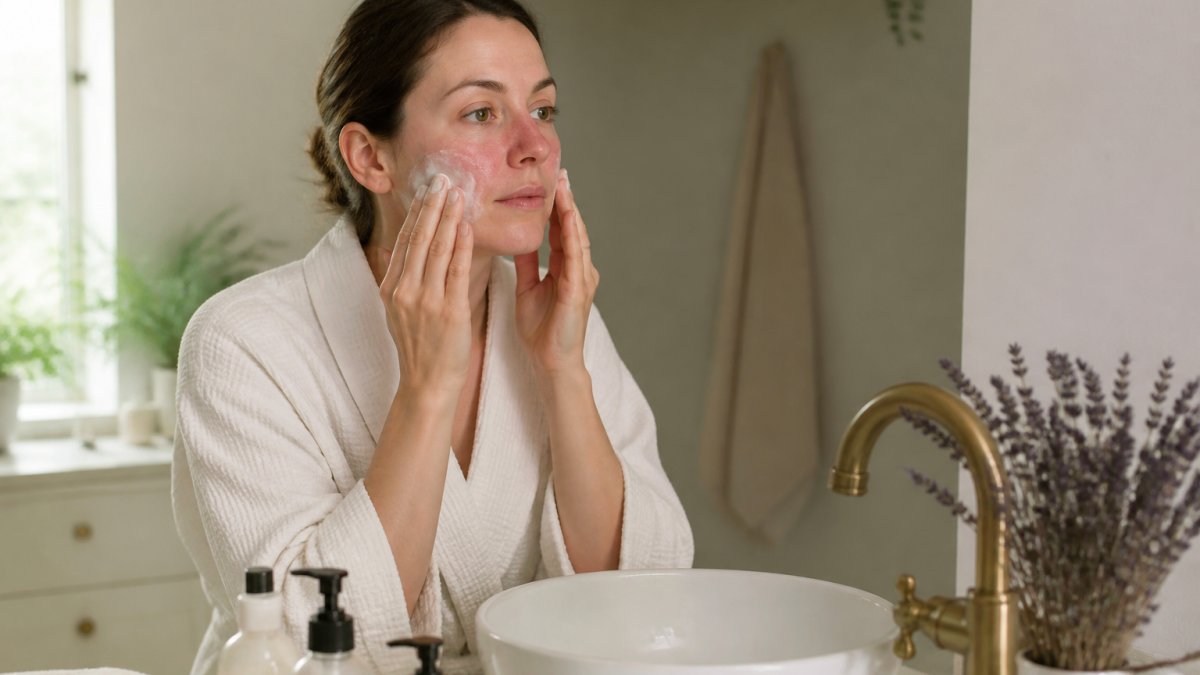
Below, we'll show you exactly which five made the cut, what each one does best, and how to introduce a new cleanser without triggering a flare.
The Best Face Wash for Rosacea: 5 Gentle Cleansers Compared
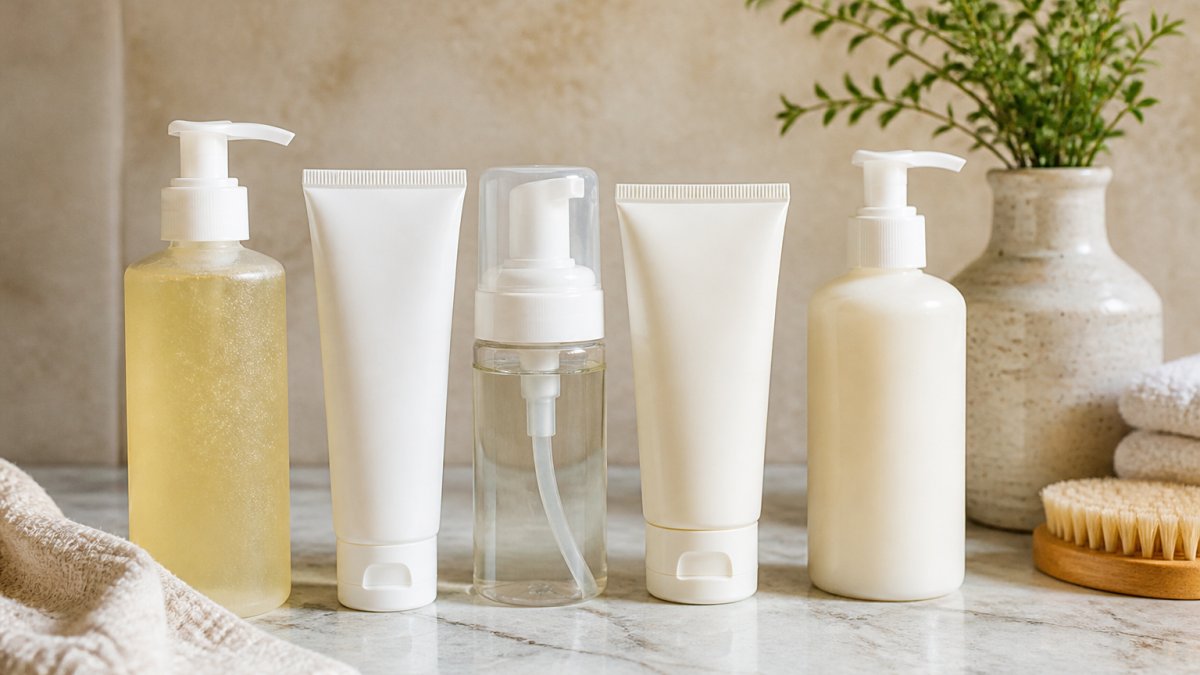
The best face wash for rosacea is a fragrance-free, non-foaming or low-foaming formula with a slightly acidic pH and minimal ingredients. Harsh surfactants and added fragrance are the two most common triggers in a cleansing routine, so every pick below avoids both.
| Cleanser | Type | Surfactant System | Fragrance / Essential Oils | pH (typical) | Notable Additives | Best For |
|---|---|---|---|---|---|---|
| Vanicream Gentle Facial Cleanser | Gel | Mild, sulfate-free | None | Slightly acidic | No dyes, no botanical extracts | Minimalist routines, unknown triggers |
| La Roche-Posay Toleriane Hydrating | Cream | Mild, non-ionic | None | Slightly acidic | Prebiotic thermal water, ceramide | Dry, reactive, stinging skin |
| CeraVe Hydrating Facial Cleanser | Lotion | Mild, non-foaming | None | Slightly acidic | Ceramides, hyaluronic acid | Barrier support on a budget |
| Cetaphil Gentle Skin Cleanser | Non-foaming lotion | Mild, low-lather | None | Near skin-neutral | Minimal preservative load | Classic no-rinse, flare-day option |
| Paula's Choice Calm Redness Relief | Gel | Mild, sulfate-free | None | Slightly acidic | Soothing botanicals (non-fragrant) | Redness-prone, oily or combination skin |
A note on reading this table: "slightly acidic" means the formula is designed to sit near the skin's natural acid mantle rather than at a stripping alkaline pH. None of these cleansers treat rosacea, they simply avoid the surfactant and fragrance triggers that make a cleansing routine worse.
1. Vanicream Gentle Facial Cleanser: The Minimalist Pick
Vanicream wins on one thing above all: a short ingredient list. It skips fragrance, dyes, and most common preservatives that sensitive skin reacts to, which makes it the safest starting point if you have no idea what your triggers are.
The texture is a soft gel that lathers lightly. It cleans without that tight, stripped feeling, and it works for both dry and combination skin. Where it falls short is hydration. If your skin leans very dry, you'll want a cream cleanser instead.
2. La Roche-Posay Toleriane Hydrating Gentle Cleanser: The Cream Option
This is the pick for dry, reactive skin that stings after washing. The cream texture cushions the skin while it cleans, and the formula is fragrance-free and built around a minimal ingredient list.
What most reviews miss is how well it works as a morning cleanser. It removes overnight product without over-cleansing, so you start the day without a flare. The trade-off is that it won't cut through heavy sunscreen or makeup on its own. Use a micellar step first on those days.
3. CeraVe Hydrating Facial Cleanser: The Barrier-Support Value
CeraVe's hydrating formula focuses on barrier support, using ceramides and hyaluronic acid to help skin hold moisture while you cleanse. It's a lotion texture, non-foaming, and fragrance-free.
For anyone whose redness comes with dryness, this is the best value in the group. The one drawback: because it's so gentle, oily and acne-prone skin may find it doesn't clean enough. If that's you, look at the gel option below.
4. Cetaphil Gentle Skin Cleanser: The Classic Non-Foaming Choice
Cetaphil has been the dermatologist default for decades, and the reason is simple. It's a non-foaming lotion you can use with or without water, which makes it ideal for very reactive skin that can't tolerate a full rinse.
It's the gentlest option here for a skin flare. The catch is cleansing effectiveness. On its own, it won't remove long-wear makeup, so treat it as a second cleanse or a flare-day rescue rather than your everyday heavy-duty wash.
5. Paula's Choice Calm Redness Relief Cleanser: The Soothing Gel
This is the pick for redness-prone skin that's also oily or combination. It's a gel that rinses clean without leaving residue, and it's fragrance-free with soothing ingredients aimed at calming visible redness.
Where it falls short is dry skin. The gel format can feel tight on very dry faces, so pair it with a rich moisturizer or switch to the cream option in winter.
Ingredients to Avoid in Rosacea Cleansers
The ingredients to avoid in rosacea cleansers are added fragrance, drying alcohols, harsh sulfates, and physical exfoliants. These are the most common causes of irritation and skin redness during cleansing.
Watch for these on the label:
- Fragrance and parfum, including "natural" essential oil blends
- Sodium lauryl sulfate (SLS), a strong surfactant that strips the barrier
- Drying alcohols like denatured alcohol
- Menthol, peppermint, and eucalyptus, which trigger flushing
- Physical scrubs and beads, which cause mechanical irritation
A common mistake is assuming "natural" means safe. Essential oils are a frequent trigger for reactive skin, so a fragrance-free formula beats a botanical one when your barrier is compromised.
How Often Should I Wash My Face If I Have Rosacea?
Wash your face twice a day at most if you have rosacea, and once a day is enough for many people. Over-cleansing strips the skin barrier and makes redness worse, so less is often more.
Here's a simple routine that works for most reactive skin:
- Morning: rinse with lukewarm water, or use a gentle cleanser if you're oily
- Evening: cleanse once to remove sunscreen and buildup
- After sweating: rinse with cool water, don't scrub
Always use lukewarm water. Hot water increases blood flow and can trigger a flare on its own, even with a perfect cleanser. Rinse thoroughly, then pat dry instead of rubbing.
How to Patch Test and Introduce a New Cleanser
Patch testing is the only reliable way to know if a new cleanser suits your skin before you commit to it. Skip this step and you risk a full-face flare from a product you can't return.
Do it like this:
- Apply a small amount behind your ear or on your inner forearm
- Leave it for 24 hours, then check for redness or itching
- If clear, test a quarter-sized area on your jawline for two more days
- Only then introduce it to your full face
Introduce one new product at a time. If you change your cleanser and moisturizer in the same week, you won't know which one caused a reaction. Give each new cleanser a full week before judging it.
Why Rosacea Skin Needs a Slower Introduction
A patch test on your arm tells you whether you have a contact allergy to an ingredient. It does not tell you whether your face will flush.
A common pattern is that irritation shows up not on day one but on day three or four, after repeated use. If you judge a cleanser after a single wash, you may keep a product that slowly erodes your barrier, or discard one that was fine.
Subtypes and Triggers Change the Answer
Tolerance varies by person and by symptom pattern. If your main issue is flushing and persistent redness, a barrier-friendly cream or lotion tends to be the safer first trial. If you get papules and pustules, keep the routine simple and avoid anything that scrubs, exfoliates, or leaves a residue that could clog pores.
This is also why no single "best" cleanser exists for everyone. The five picks above are starting points, not prescriptions. A formula that suits one reader's skin may not suit another's, even when both have a rosacea diagnosis.
When to Stop and Ask a Professional
Stop using a new cleanser and return to your previous routine if you see spreading redness, swelling, burning that lasts more than a few minutes, or new bumps that don't settle within a few days. If symptoms persist, worsen, or keep recurring with every product you try, that's a signal to see a dermatologist or other qualified clinician rather than continuing to experiment on your own. Persistent or changing symptoms deserve a professional eye, and a clinician can also rule out conditions that mimic rosacea.
Choosing the Right Cleanser for Your Skin Type
The right cleanser depends on your skin type more than your rosacea alone.
Use this to narrow it down:
- Dry or reactive: cream cleanser, non-foaming
- Oily or combination: gentle gel cleanser
- Very sensitive or mid-flare: non-foaming lotion, used without water
- Sunscreen or makeup wearers: gentle cleanser plus a micellar first step
Rosacea subtypes matter here too. If your main symptom is flushing and redness, barrier-friendly formulas help most. If you get papules and pustules, keep the routine simple and avoid anything that scrubs or exfoliates.
If you prefer bar soap, look for a fragrance-free, cold-process option made for sensitive skin. Our own small-batch soaps at The Beekeeper's Basket are handcrafted in New England with gentle ingredients.
Conclusion: Building a Gentle Cleansing Routine That Works
The hardest part of a rosacea routine isn't finding a cleanser. It's resisting the urge to change everything at once when your skin flares. Pick one gentle formula, patch test it, and give it a week before you judge the results.
If you want a natural, fragrance-free option to round out your routine, The Beekeeper's Basket handcrafts small-batch soaps and skin-nourishing products made with fresh, gentle ingredients. Every item is made in small batches, backed by over 20,000 sales and a 5-star rating.
Frequently Asked Questions
What kind of face wash should I use for rosacea?
Choose a non-foaming, fragrance-free cleanser with a slightly acidic pH and mild surfactants. Cream or lotion formulas are usually better than gels or foams because they clean without stripping the skin barrier. Look for soothing ingredients like oat extract, glycerin, and ceramides. Avoid anything with alcohol, menthol, or exfoliating acids. A gentle cleanser used with lukewarm water and rinsed thoroughly helps reduce irritation and supports the skin biome.
Should I use a foaming or non-foaming cleanser for rosacea?
Non-foaming cleansers are generally the safer choice for rosacea-prone skin. Foaming formulas often contain stronger surfactants that can strip natural oils and trigger redness or a flare. Cream and lotion cleansers remove dirt and makeup while leaving the skin barrier intact. If you prefer a gel texture, choose one labeled gentle or hydrating and check that it is fragrance-free. Patch test any new product on your inner forearm for three to five days before using it on your face.
What ingredients should I avoid in a cleanser if I have rosacea?
Avoid cleansers with fragrance, essential oils, alcohol, menthol, peppermint, eucalyptus, and physical exfoliants like beads or crushed shells. Also skip strong surfactants such as sodium lauryl sulfate, which can strip the skin barrier and worsen irritation. Exfoliating acids like glycolic and salicylic acid are best left out of a daily cleanser for reactive skin. Check labels for terms like parfum and natural fragrance, since these can trigger sensitivity even in products marketed as gentle.
How often should I wash my face if I have rosacea?
Twice a day is enough for most people with rosacea: once in the morning and once at night. If your skin is very reactive or dry, a single evening cleanse with a lukewarm water rinse in the morning may work better. Over-cleansing strips the skin barrier and can increase redness. Always use lukewarm water, avoid washcloths or scrubbing, and follow with a gentle moisturizer within a minute of patting your face dry to help with moisture retention.