 blog
Best Natural Skincare 2026: A Complete Guide
Table of Contents
- What Makes Natural Skincare Different
- Key Ingredients to Look for in Natural Formulas
- Natural Skincare for Dry Skin: Choosing the Right Products
- Benefits of Beeswax in Skincare Formulations
- How to Build a Natural Skincare Routine That Works
- Transitioning to Natural Products: What to Expect
- Frequently Asked Questions
Last Updated: September 23, 2026
What Makes Natural Skincare Different
Natural skincare differs fundamentally from conventional products in how ingredients are sourced, processed, and formulated. Rather than relying on synthetic compounds engineered in laboratories, natural skincare emphasizes plant-based actives, botanical extracts, and minimally processed ingredients that work with your skin's biology rather than against it.
The distinction matters because your skin barrier functions best when exposed to ingredients it recognizes. When you transition to natural skincare, you're choosing products formulated with cold-pressed oils, essential plant compounds, and naturally derived preservatives instead of parabens, sulfates, and synthetic fragrance. This approach aligns with how dermal absorption works, your skin absorbs what it encounters, so the quality of those ingredients directly impacts long-term skin health.
At The Beekeeper's Basket, we've built our entire product line around this principle. Our handcrafted formulations use fresh, natural ingredients sourced with care, avoiding the synthetic additives that often trigger sensitivity in people with reactive skin.
Key Ingredients to Look for in Natural Formulas
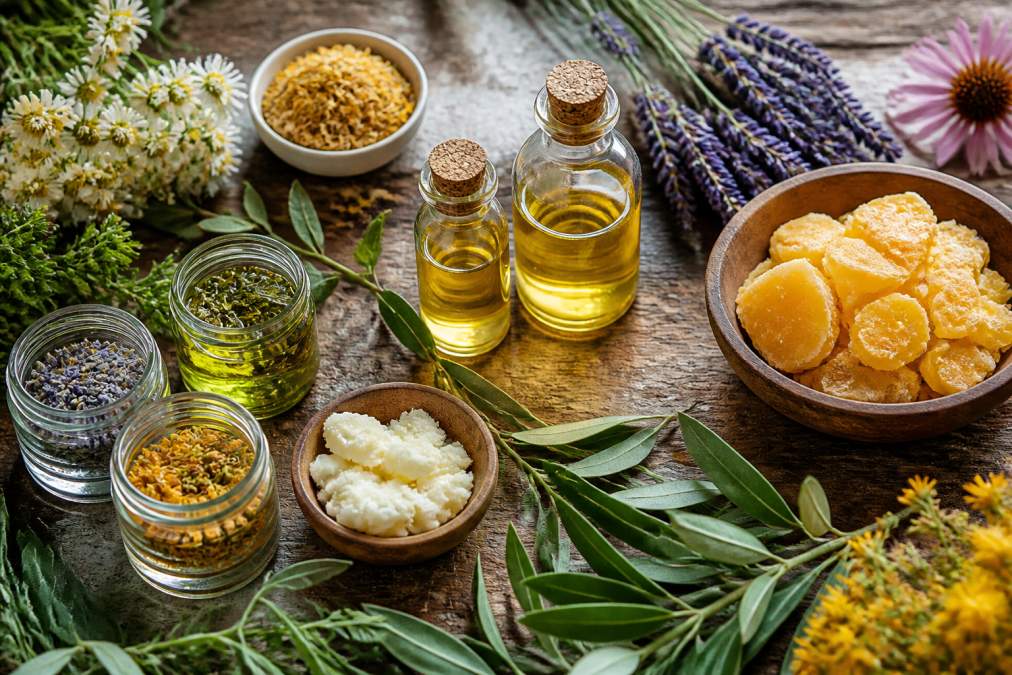
When evaluating natural skincare products, focus on ingredients with proven efficacy rather than trendy names. The most effective natural formulas combine multiple active botanicals that work synergistically to support skin health, but only when those actives are compatible.
Understanding Ingredient Interactions in Natural Skincare
Natural actives interact with each other in ways that amplify benefits or reduce efficacy. Understanding these interactions prevents wasted product and protects your skin barrier during the adjustment phase.
Safe Combinations: Vitamin C from kakadu plum pairs effectively with vitamin E and ferulic acid; this trio stabilizes vitamin C and extends its antioxidant window. Hyaluronic acid derived from plant fermentation works synergistically with humectants like vegetable glycerin, the combination draws moisture into skin more effectively than either ingredient alone. Niacinamide (from fermented sources) combines safely with most botanicals and actually strengthens barrier function when layered with ceramides from plant sources.
Combinations to Avoid or Space Out: Retinol alternatives like bakuchiol should not be used on the same day as vitamin C; both are potent oxidizers and can overwhelm a newly adjusted skin barrier, triggering irritation rather than improvement. If you're using a resveratrol-rich serum from grape seed, avoid layering it with other polyphenol-heavy extracts like green tea on the same application, the cumulative antioxidant load can cause temporary sensitivity in reactive skin types. Exfoliating enzymes from papaya or pumpkin should never be combined with physical exfoliants or other chemical exfoliants; this combination disrupts the barrier and negates the gentleness natural formulations promise.
Timing Matters: If your routine includes both a plant-based retinol alternative and a vitamin C serum, apply vitamin C in the morning and the retinol alternative at night. This spacing prevents competition for absorption pathways and allows each ingredient to work at peak efficacy. Most practitioners recommend waiting 15-20 minutes between layering different actives to allow each to absorb fully.
Ingredient Stability and Shelf-Life Interactions: Natural preservatives like rosemary extract and vitamin E work best in formulations with lower water content; water-based natural products oxidize faster and lose potency within 6-12 months of opening. When multiple plant oils are combined (jojoba, rosehip, argan), the blend oxidizes more quickly than a single-oil formulation. Store combination formulas in dark glass containers away from heat and light to preserve active ingredient stability.
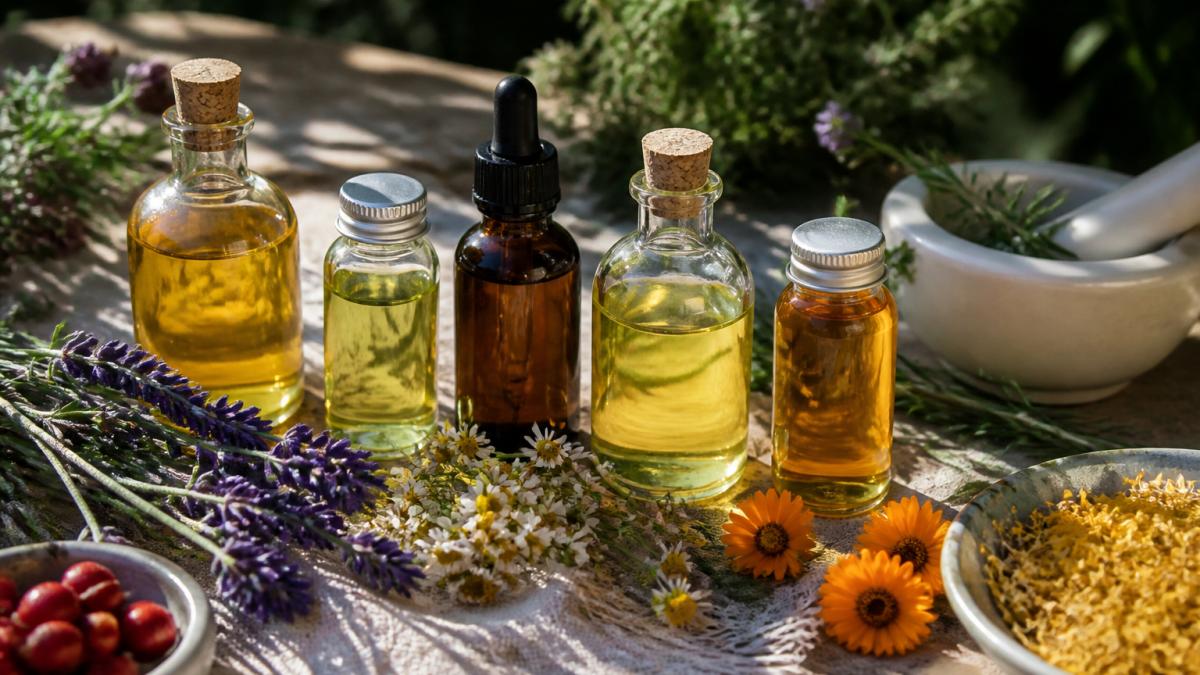
Selecting Multi-Active Formulas: Look for cold-pressed oils like jojoba, rosehip, and argan, these maintain their nutrient density because they're extracted without heat. Plant-based actives such as green tea extract, vitamin C from kakadu plum, and resveratrol from grape seed deliver antioxidant-rich benefits that protect against environmental damage. Hyaluronic acid derived from plant fermentation provides hydration without the synthetic feel of petroleum-based alternatives.
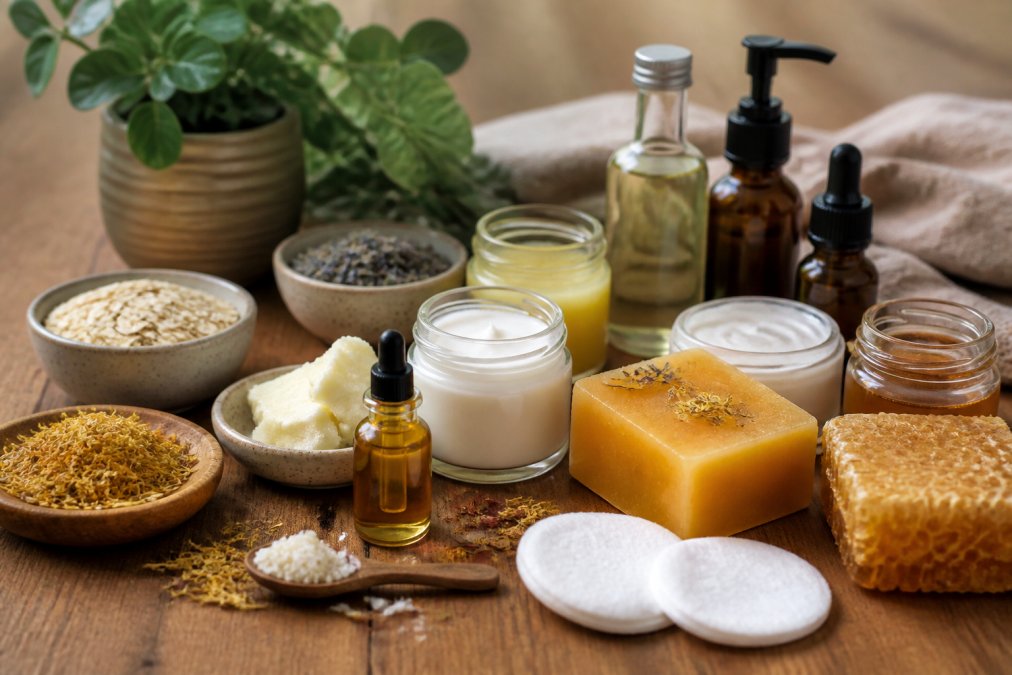
Beeswax deserves special attention as a natural skincare ingredient. Unlike occlusive silicones that coat skin, beeswax creates a breathable protective layer while delivering emollient properties that soften and condition. It's naturally antimicrobial, making it ideal for sensitive skin prone to irritation.
Natural preservatives matter too. Look for formulations using vitamin E, rosemary extract, or fermentation-derived preservatives rather than parabens. These maintain product stability and shelf-life without the endocrine disruption concerns associated with synthetic alternatives.
Natural Skincare for Dry Skin: Choosing the Right Products
Dry skin requires formulations that restore the skin barrier and lock in moisture. When selecting natural skincare for dry skin, prioritize products combining humectants that draw moisture into the skin with occlusives that seal it in.
Humectants like glycerin and hyaluronic acid work best when applied to damp skin, they pull water from the air and deeper skin layers to the surface. Follow immediately with an occlusive moisturizer containing plant oils or beeswax to prevent evaporation. This two-step approach is far more effective than applying a heavy cream alone.
For natural skincare for dry skin, seek formulations with nourishing botanicals like calendula, chamomile, and comfrey. These soothe irritation while supporting the skin's natural repair processes. Ceramides derived from plant sources help restore the lipid barrier that dry skin has compromised.
Exfoliation matters for dry skin, but mechanical scrubbing worsens the problem. Instead, use gentle enzymatic exfoliants from papaya or pumpkin seed, these dissolve dead skin cells without disrupting the barrier. Limit exfoliation to once weekly until your skin barrier strengthens.
The Beekeeper's Basket formulations for dry skin emphasize fresh, potent ingredients in small-batch preparations. Because we make products in limited quantities, every jar contains ingredients at peak potency, something mass-produced alternatives struggle to achieve.
Benefits of Beeswax in Skincare Formulations
Beeswax has been used in skincare for centuries, and modern dermatology confirms why. This natural wax offers multiple benefits that synthetic alternatives simply cannot replicate.
Beeswax creates an occlusive barrier that protects skin without suffocating it. Unlike silicone-based products that trap heat and bacteria, beeswax is naturally breathable, your skin can still regulate moisture and temperature. This matters significantly for sensitive skin and conditions like eczema or rosacea.
The emollient properties of beeswax soften and condition skin while maintaining a non-greasy feel. It absorbs into the skin rather than sitting on the surface, making it ideal for people who dislike heavy creams. Beeswax also contains natural esters and fatty acids that support skin barrier repair.
Antimicrobial compounds in beeswax make it effective for acne-prone skin. Rather than using harsh antibacterial agents that disrupt the skin microbiome, beeswax gently inhibits bacterial growth while maintaining beneficial flora. This is why many natural formulations for breakout-prone skin include beeswax as a core ingredient.
The benefits of beeswax in skincare extend to anti-inflammatory action. It calms redness and irritation while supporting the skin's natural healing response. For anyone transitioning to natural skincare, beeswax-based products often provide the most comfortable bridge from conventional formulations.
How to Build a Natural Skincare Routine That Works
Building an effective natural skincare routine requires understanding your skin type and layering products strategically. A basic routine includes cleanser, toner or essence, serum, moisturizer, and sunscreen, but the specific products matter far more than the number of steps.
Start with a gentle cleanser that removes impurities without stripping natural oils. Look for plant-based cleansers using saponified oils rather than sulfate-based surfactants. Cleanse once daily for dry skin, twice daily for oily or combination skin. Lukewarm water is essential, hot water damages the skin barrier.
After cleansing, apply a hydrating toner or essence. This preps skin to absorb subsequent products more effectively. Choose formulations with botanical hydrosols or plant-derived humectants rather than alcohol-based products that dry skin further.
Serums deliver concentrated actives directly to skin.
Transitioning to Natural Products: What to Expect
Moving from conventional to natural skincare often triggers temporary adjustment. Understanding what's normal versus problematic helps you stick with the transition, and recognizing the long-term value proposition justifies the upfront cost difference.
The Adjustment Timeline
Understanding Cost-Per-Use: Why Natural Skincare Justifies Premium Pricing
Frequently Asked Questions
What should I look for on a skincare label to ensure it is truly natural?
Check for plant-based actives, botanical extracts, and cold-pressed oils listed early in the ingredient deck. Avoid synthetic fragrances, parabens, and sulfates. Look for certifications like organic certification or third-party testing badges. Transparent brands disclose their sourcing and manufacturing practices. Small-batch producers often detail ingredient origins on their labels or websites, which signals commitment to quality and traceability.
How do I transition to an all-natural skincare routine without irritating sensitive skin?
Start slowly by replacing one product at a time every 1-2 weeks, beginning with a gentle cleanser. Patch-test new products on your inner arm first. Natural skincare for dry skin works best when you introduce hydrating serums and rich moisturizers gradually. Expect a brief adjustment period as your skin barrier repairs itself. If you've experienced reactions to natural products before, choose hypoallergenic, dermatologist-tested formulas and avoid essential oil-free options if fragrance sensitivity is a concern.
Are natural skincare products as effective as clinical brands?
Yes, when formulated with high bio-available ingredients. Modern natural skincare uses plant-based actives, like antioxidant-rich botanical extracts and collagen induction compounds, that can deliver results. The key difference is that natural products work with your skin barrier rather than stripping it. Small-batch formulations often contain fresher, more potent ingredients than mass-produced alternatives, which can enhance effectiveness and reduce irritation risk.
What are the most effective natural ingredients for anti-aging in 2026?
Look for antioxidant-rich botanical extracts, cold-pressed oils high in essential fatty acids, and natural preservatives that support skin barrier repair. Beeswax offers both hydration and protective benefits. Plant-based retinol alternatives and peptide-rich formulas address fine lines and loss of elasticity. Hyaluronic acid from plant sources provides deep hydration. The most effective routines combine these ingredients in serums and moisturizers designed for your specific skin type, with consistent use over 6-8 weeks for visible results.