 how-to
How to Start a Natural Skincare Routine
Table of Contents
- Assess Your Skin Type and Current Condition
- How to Read Skincare Labels and Identify Safe Ingredients
- Building Your Natural Skincare Routine for Beginners
- Natural Skincare for Dry Skin: Targeted Hydration
- Step-by-Step Cleansing Techniques with Natural Products
- Transitioning from Synthetic to Natural Products Safely
- What to Avoid: Ingredients and Common Mistakes
- Frequently Asked Questions
Last Updated: October 2, 2026
Assess Your Skin Type and Current Condition
Understanding your skin is the foundation of any natural skincare routine. Skin generally falls into five categories: oily, dry, combination, sensitive, and normal. To identify your type, wash your face with a gentle cleanser and wait two hours without applying anything. Then observe how your skin feels and looks, does it feel tight, shiny, or both?
Beyond skin type, assess your current condition. Are you dealing with active breakouts, redness, or irritation? Understanding these details helps you choose the right natural ingredients and avoid triggers that caused problems before.
How to Read Skincare Labels and Identify Safe Ingredients
Reading skincare labels is harder than it should be. Brands use confusing terminology, hide problematic ingredients behind chemical names, and exploit the word "natural" without regulation. Learning what to look for and how to spot greenwashing is your first defense against another bad experience.
Understanding the Ingredient List
Start with the ingredient list. By law, ingredients are listed in descending order by weight. The first five ingredients make up the bulk of the product.
The word "natural" on a label is unregulated. The FDA does not define "natural" for cosmetics. A product can claim to be "natural" while containing 95% synthetic ingredients and 5% plant extract. Read the ingredient list, not the marketing claim.
Certifications: What They Actually Mean
USDA Organic Certification is the gold standard for skincare.
Fair Trade Certification ensures workers were paid fairly and working conditions were safe.
Leaping Bunny Certification indicates the product was not tested on animals.
Ecocert or COSMOS Organic are European certifications with strict standards for natural and organic cosmetics.
Products with no certifications are not necessarily bad, certification costs money that small brands may not have.
Spotting Greenwashing: Red Flags
"Made with natural ingredients", This is meaningless. A product can be 1% natural and 99% synthetic and still use this claim legally.
"Naturally derived", This means the ingredient started as a plant or mineral but was heavily processed or synthesized.
"Clean," "Pure," or "Gentle", These words have no legal definition in cosmetics. Always verify with the ingredient list.
Images of plants with no ingredient list visible, Brands use nature imagery to imply natural content without proving it.
"Free from parabens" but full of other synthetics, Brands highlight one avoided ingredient while using equally problematic alternatives.
Beneficial Natural Ingredients to Seek Out
- Cold-pressed oils (jojoba, argan, rosehip), Nourish without clogging; jojoba mimics skin's natural sebum
- Botanical extracts (chamomile, green tea, calendula), Soothe and protect; green tea contains EGCG, a potent antioxidant
- Essential oils (lavender, frankincense), Antimicrobial and anti-inflammatory; use in diluted form only
- Hydrosols (rose water, witch hazel), Gentle toning without alcohol
- Antioxidants (vitamin E, ferulic acid, resveratrol), Protect against environmental stress and free radical damage
- Humectants (glycerin, hyaluronic acid from plant sources, honey), Draw water into skin
- Butters (shea, cocoa), Emollients that seal moisture in
Ingredients to Avoid
- Synthetic fragrances (labeled as "fragrance" or "parfum"), Can contain dozens of undisclosed chemicals; major irritant and allergen
- Parabens (methylparaben, propylparaben, butylparaben), Disrupt skin microbiome and may mimic estrogen
- Sulfates (sodium lauryl sulfate, sodium laureth sulfate), Strip natural oils and damage barrier function
- Phthalates (often hidden under "fragrance"), Endocrine disruptors
- Silicones (dimethicone, cyclomethicone), Clog pores and prevent absorption of beneficial ingredients
- Alcohol denat (denatured alcohol), Over-dries skin and damages barrier
- Synthetic dyes (FD&C or D&C followed by a number), Unnecessary and often irritating
Building Your Natural Skincare Routine for Beginners
A natural skincare routine for beginners doesn't need to be complicated. Start with three essentials: cleanser, moisturizer, and sunscreen. Apply products from thinnest to thickest consistency, water-based products first, oils last.
Morning Routine Steps
-
Cleanse gently, Use lukewarm water and a natural cleanser. Massage in circular motions for 20 seconds, then rinse thoroughly.
-
Apply toner or hydrosol, Pat a hydrosol onto damp skin with a cotton pad. Rose water and witch hazel are gentle choices.
-
Apply serum, Use a few drops of a natural serum with antioxidants or hyaluronic acid. Press gently into skin.
-
Moisturize, Apply a natural moisturizer while skin is still slightly damp to lock in hydration.
-
Apply sunscreen, Use a mineral or natural sunscreen with at least SPF 30. This step prevents sun damage and is non-negotiable, even on cloudy days.
Evening Routine Steps
-
Double cleanse if needed, If you wore makeup or sunscreen, start with an oil cleanser. Massage for 30 seconds, add water to emulsify, then rinse. Follow with a gentle water-based cleanser.
-
Apply toner, Use the same hydrosol as your morning routine.
-
Apply targeted treatment, Use serums with specific ingredients for your concerns. Use one serum per routine to avoid overwhelming your skin.
-
Apply night moisturizer, Use a richer moisturizer than your morning one.
-
Optional: Apply facial oil, If your skin is dry, seal everything with a few drops of cold-pressed oil.
Natural Skincare for Dry Skin: Targeted Hydration
Dry skin needs hydration and barrier support. A natural skincare routine for dry skin relies on humectants (which draw water into your skin) and emollients (which seal water in).
Humectants to look for: glycerin, hyaluronic acid, aloe vera, and honey.
Emollients to prioritize: shea butter, cocoa butter, jojoba oil, argan oil, and rosehip oil.
Layer these strategically. Apply a hydrating serum with glycerin first. Then apply a moisturizer with shea butter. Finally, seal with an oil if needed.
Step-by-Step Cleansing Techniques with Natural Products
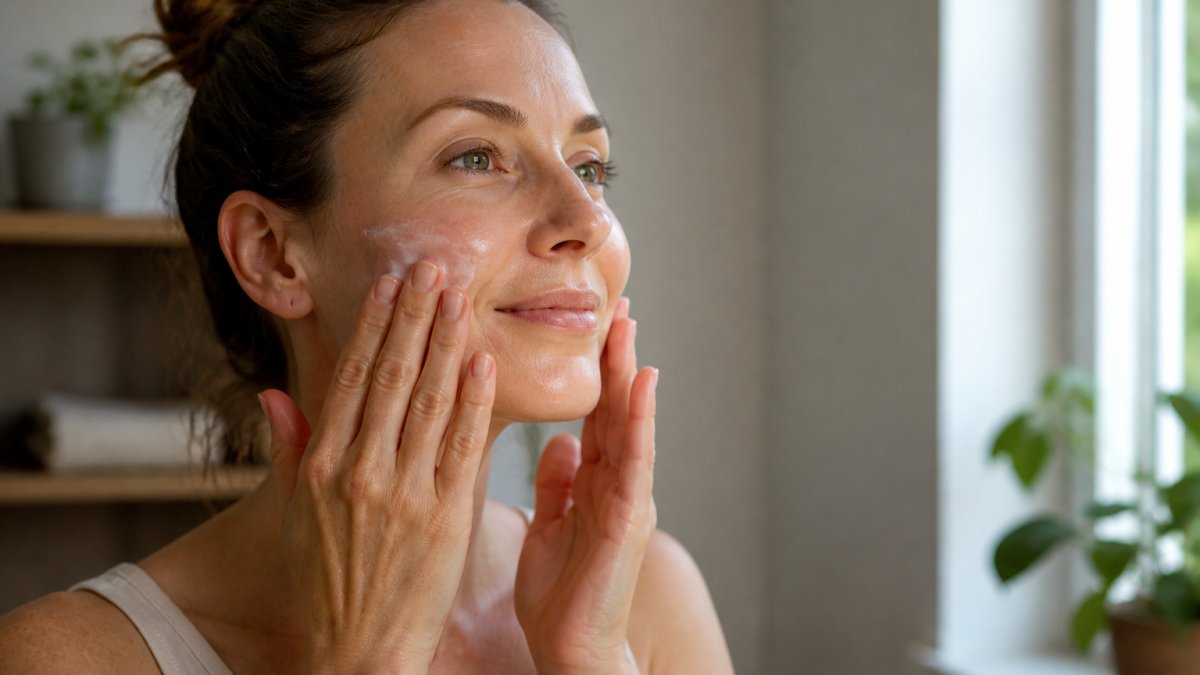
Proper cleansing technique matters as much as the product itself. Aggressive scrubbing damages your skin barrier. Gentle, deliberate motions work better.
Use the circular motion technique with your fingertips, not your palms. Start at your forehead and move down in small circles.
For oil cleansing, massage the oil into dry skin for one full minute to break down sebum and makeup.
Transitioning from Synthetic to Natural Products Safely
If you've used synthetic skincare for years, switching to natural products too fast causes problems. Your skin needs time to adjust.
Why Your Skin Reacts During the Transition
Synthetic skincare often contains silicones, sulfates, and heavy occlusives that coat your skin and suppress its natural functions. When you remove these synthetics, your skin must relearn how to function independently. During this period, you may experience increased oil production, mild breakouts or congestion, slight redness or sensitivity, and texture changes. These symptoms are temporary and indicate adjustment, not failure.
The Difference Between Purging and a True Allergic Reaction
Skin Purging: Appears in areas where you normally break out, consists of small similar-looking bumps, lasts 2-6 weeks then improves, does not cause severe itching or swelling, and improves with consistent use.
Allergic Reaction: Appears randomly across your face, includes severe itching or burning that doesn't subside, causes swelling or hives, worsens with continued use, and does not improve after 1-2 weeks.
If you experience an allergic reaction, stop using the product immediately. Patch testing prevents this.
A Gradual Transition Strategy
Start by replacing one product at a time.
Week 1-2: Replace your moisturizer, Choose a natural moisturizer with hydrating and barrier-supporting ingredients like shea butter, glycerin, or plant oils.
Week 3-4: Replace your cleanser, A gentle natural cleanser will feel different and may not lather as much as synthetic cleansers.
Week 5-6: Replace serums or treatments, Replace one at a time, waiting two weeks between each new product.
Week 7+: Add sunscreen and other products, Once your core routine is established with natural products, add other products one at a time.
Patch Testing Before Full Use
Apply a small amount of the new product to your inner arm or behind your ear. Wait 24-48 hours. If no redness, itching, swelling, or burning appears, the product is likely safe for your face.
What to Expect Week by Week
Week 1: Your skin may feel different. Natural products absorb differently than synthetics.
Week 2-3: Oil production may increase as your skin recalibrates.
Week 4: Purging typically peaks around week 3-4, then begins to improve.
Week 5-8: Most people see significant improvement. Oil production normalizes, congestion clears, texture improves, and redness decreases.
Week 8+: By week 8, you should see clear improvement.
Supporting Your Skin During Transition
- Simplify your routine, Use only cleanser, moisturizer, and sunscreen. Skip actives and exfoliants during the first 4-6 weeks.
- Use a barrier-repair moisturizer, Look for ingredients like ceramides, cholesterol, and fatty acids found in shea butter, plant oils, and botanical extracts.
- Skip exfoliation, Your skin is already shedding buildup. Wait until week 6-8 to introduce gentle exfoliation.
- Avoid new products, Stick with your core routine.
- Stay hydrated, Drink adequate water.
- Avoid triggers, If certain foods, stress, or environmental factors trigger breakouts, avoid them during transition.
Signs the Transition Is Working
Watch for reduced redness and irritation, more balanced oil production, improved texture and clarity, less sensitivity to other products, fewer breakouts after the initial purging phase, and skin that feels more resilient and less reactive.
What to Avoid: Ingredients and Common Mistakes
Skip synthetic fragrances, parabens, sulfates, phthalates, silicones, alcohol denat, and synthetic dyes.
Common mistakes to avoid: using too many active ingredients at once, skipping sunscreen, not patch testing, expecting overnight results, and ignoring your skin barrier.
Starting a natural skincare routine doesn't require expensive products or complicated steps. It requires understanding your skin, reading labels carefully, and committing to consistency.
Frequently Asked Questions
What are the essential steps of a natural skincare routine?
A complete natural skincare routine includes cleansing, toning, applying serums or treatments, and moisturizing. Morning routines typically add sunscreen as the final step. Evening routines may include exfoliation 2-3 times weekly. The exact steps depend on your skin type and concerns, but these foundational elements protect your skin barrier and address hydration and nourishment needs.
How do I transition to natural skincare without causing breakouts?
Transition gradually over 2-4 weeks, introducing one new product at a time. Your skin may experience temporary purging as it adjusts, which is normal. Patch test new products on your inner arm first. Start with cleansing and moisturizing, then add other steps. Avoid introducing multiple products simultaneously, and maintain consistency. If irritation persists beyond two weeks, discontinue and consult a dermatologist.
Can natural skincare be effective for sensitive skin?
Yes, natural skincare can be highly effective for sensitive skin when formulated thoughtfully. Look for products free from synthetic fragrances, parabens, and sulfates. Natural ingredients like botanical extracts and cold-pressed oils are often gentler on the skin barrier. However, not all natural ingredients suit sensitive skin, so patch testing is essential. Quality matters significantly, small-batch products made with fresh, carefully sourced ingredients are often preferred.
How long does it take to see results from a natural skincare routine?
Most people notice initial improvements in skin hydration and texture within 2-4 weeks of consistent use. More significant changes, such as reduced breakouts or improved skin tone, typically appear after 6-8 weeks. Results depend on your starting point, skin type, and the specific concerns you're addressing. Consistency matters more than speed, stick with your routine and give products adequate time to work before making changes.