 blog
Organic Honey for Acne: Does It Really Work?
Table of Contents
- What Organic Honey Does for Acne-Prone Skin
- Raw Honey vs. Organic Honey for Skin
- The Science Behind Honey's Antibacterial and Anti-Inflammatory Properties
- How to Use Honey as a Face Mask for Acne
- Benefits of Manuka Honey for Acne
- Patch Testing and Safety Considerations
- Common Misconceptions About Honey and Acne
- Conclusion
- Frequently Asked Questions
Last Updated: September 27, 2026
What Organic Honey Does for Acne-Prone Skin
Organic honey for acne has gained attention for its ability to soothe irritated skin and reduce bacterial buildup, offering a gentler alternative to harsh chemical treatments.
Raw honey contains compounds that work through multiple mechanisms: calming inflammation, creating an environment hostile to acne-causing bacteria, and supporting the skin's natural healing process.
However, the source, processing method, and type of honey matter significantly, making it essential to understand the difference between raw and organic varieties.
Raw Honey vs. Organic Honey for Skin
Raw honey and organic honey are not the same product, though the terms are sometimes used interchangeably. Understanding the distinction helps you choose the right option for your skin.
Raw honey has not been heated above a certain temperature, retaining natural enzymes, pollen, and beneficial compounds. Organic honey is produced without synthetic pesticides, antibiotics, or artificial additives, it can be raw or processed. The "organic" label indicates farming practices, not processing method.
For acne-prone skin, raw honey offers more potential benefits due to higher enzymatic activity, though it crystallizes more easily and requires careful storage. Organic processed honey offers greater shelf stability while still avoiding synthetic chemicals.
The Science Behind Honey's Antibacterial and Anti-Inflammatory Properties
Honey's effectiveness stems from hydrogen peroxide, which forms naturally when honey contacts skin moisture, and methylglyoxal, which suppresses acne-causing bacteria. The anti-inflammatory properties calm redness and swelling associated with active lesions.
Honey supports skin's natural microbiome by allowing beneficial bacteria to thrive while problematic bacteria diminish. Its enzymatic activity provides gentle exfoliation that prevents pore clogging without disrupting the skin barrier.
While many people report positive results, individual responses vary based on skin type, acne severity, and other factors.
How to Use Honey as a Face Mask for Acne
Proper technique maximizes effectiveness and minimizes irritation risk, especially when layering honey with other acne treatments.
Basic application steps:
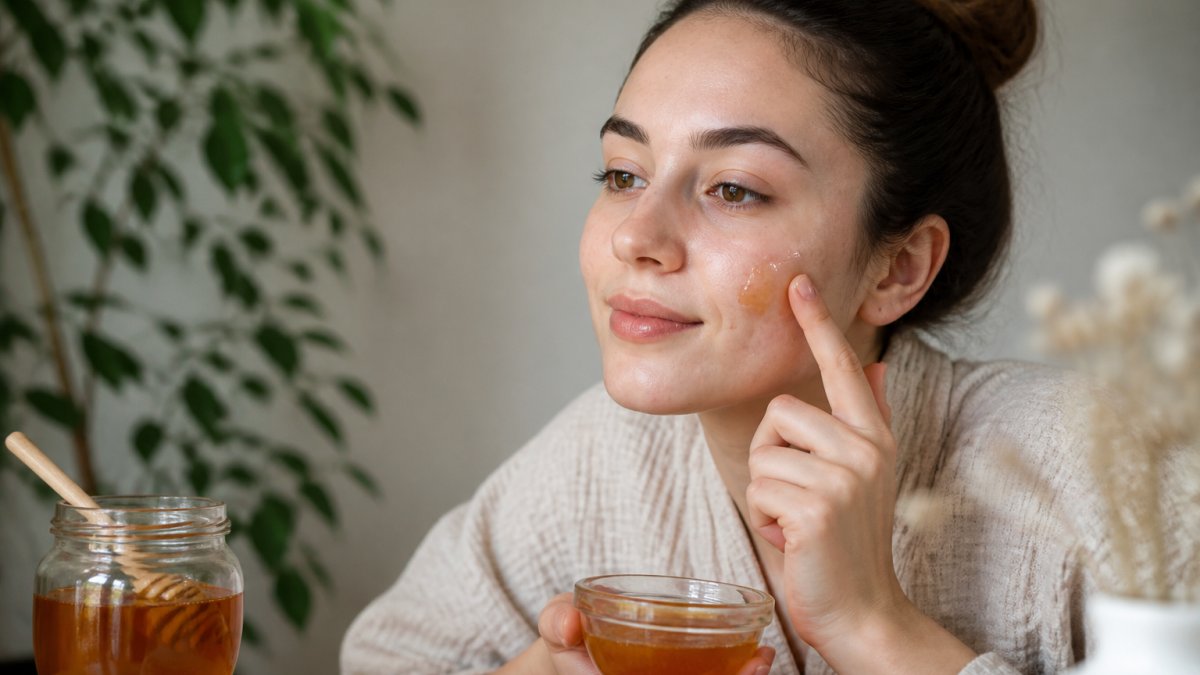
- Start with clean, dry skin. Damp skin dilutes the honey and reduces contact time with beneficial compounds.
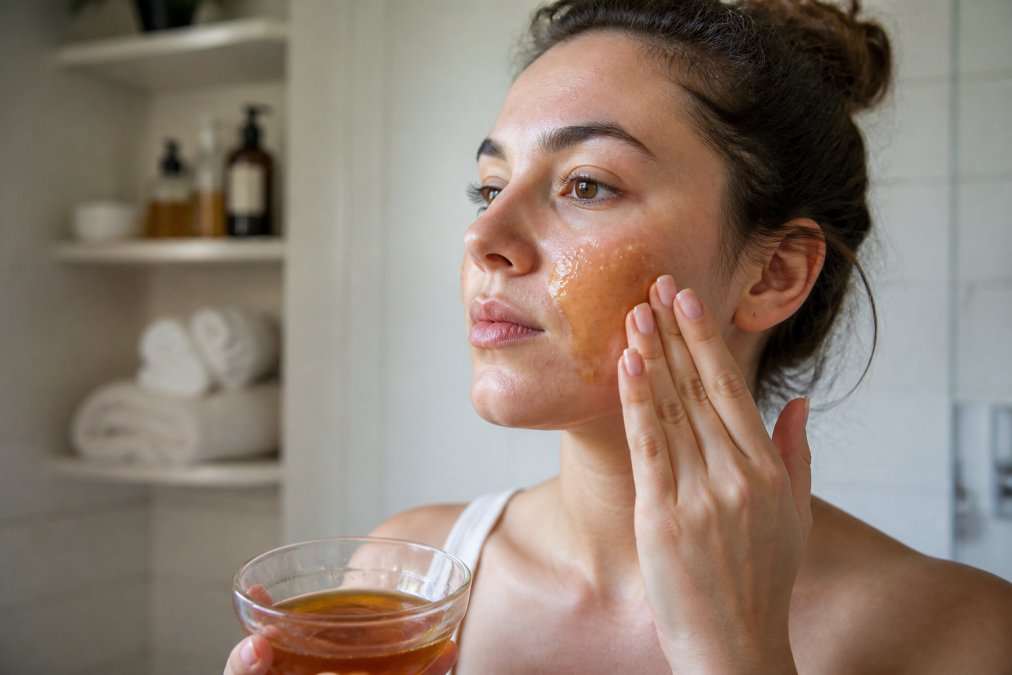
- Apply a thin, even layer of raw organic honey across your face, avoiding the eye area and any open wounds or severely inflamed lesions.
- Leave the mask on for 10-15 minutes, starting conservatively to assess tolerance.
- Rinse thoroughly with warm water using gentle circular motions, as honey is sticky and residue can feel uncomfortable.
- Pat dry and follow with your regular moisturizer. This step is critical, honey can be drying, and moisturizing immediately after prevents barrier disruption.
Most people find 1-3 applications per week effective. Daily application may cause irritation. If your skin is dry or sensitive, start with once weekly and increase only if well-tolerated.
Enhancing the honey mask with complementary ingredients:
You can boost effectiveness by combining honey with other gentle, acne-supportive ingredients:
- Cinnamon: A small pinch adds antimicrobial properties; patch test first as it can be irritating.
- Turmeric: 1/4 teaspoon provides anti-inflammatory benefits; apply in the evening as it stains skin yellow.
- Green tea: Mix 1 teaspoon cooled green tea into honey for antioxidants.
- Aloe vera gel: Mix equal parts honey and aloe vera for soothing and hydration.
Avoid mixing honey with harsh actives like benzoyl peroxide or salicylic acid in the same application. These combinations can over-strip skin and cause irritation, redness, and barrier damage.
Layering honey with active acne treatments, the critical guide:
Many people using prescription or over-the-counter acne medications wonder whether honey can be safely incorporated. The answer depends on the specific active ingredient and your skin's tolerance.
Salicylic acid (2% or lower concentrations): Use on alternate days or different steps. Apply salicylic acid in the morning, then honey masks in the evening 2-3 times weekly. Do not apply honey on the same day as salicylic acid. Start this schedule only after your skin has adapted to salicylic acid alone for 2-3 weeks.
Benzoyl peroxide (2.5%-10%): Avoid combining on the same day. Use benzoyl peroxide in the morning, then honey masks 2-3 times weekly in the evening on non-benzoyl peroxide days. Never mix honey directly with benzoyl peroxide products.
Retinoids (retinol, retinaldehyde, tretinoin, adapalene): Avoid honey masks during the initial adjustment phase (first 4-8 weeks). Once skin has acclimated, use honey masks on non-retinoid nights only. Never apply honey on the same night as retinoids, as honey's occlusive nature can increase retinoid penetration and cause excessive irritation.
Niacinamide serums or moisturizers: Niacinamide is compatible with honey. You can apply a niacinamide product, let it dry, then apply a honey mask on top. This combination is generally well-tolerated and may provide synergistic benefits for acne-prone skin.
Azelaic acid: Azelaic acid and honey can be used together, but apply azelaic acid first, let it dry completely (5-10 minutes), then apply honey. Alternatively, use them on alternate days if your skin is sensitive.
Antibiotics (topical or oral): Honey does not interfere with topical or oral antibiotics. You can use honey masks while taking oral antibiotics for acne.
Spot treatment vs. full mask:
Benefits of Manuka Honey for Acne
Manuka honey, from New Zealand, possesses higher levels of methylglyoxal, the compound responsible for honey's antimicrobial action (Checking your browser). This elevated content translates to stronger antibacterial activity, making it particularly appealing for acne treatment.
Patch Testing and Safety Considerations
Patch testing is essential to prevent widespread reactions and identify sensitivities early.
Proper patch testing protocol:
- Choose a small, inconspicuous area like your inner arm or behind your ear, where reactions are easier to detect and less visible.
- Apply a dime-sized amount of raw organic honey to the test area. Do not dilute or mix it; test the product exactly as you plan to use it.
- Leave it on for 15-20 minutes on the first test. If that passes, repeat with a 30-minute duration to simulate a full face mask application.
- Rinse thoroughly with lukewarm water using gentle circular motions.
- Wait a full 24 hours before assessing results, as some delayed reactions take 12-24 hours to appear.
- Observe for redness, itching, swelling, hives, warmth, or any unusual sensation. Minor redness that fades within an hour is typically normal inflammatory response. Persistent redness, swelling, or itching after 24 hours indicates sensitivity.
Interpreting patch test results:
- Clear pass: No redness, itching, or swelling after 24 hours. Proceed to facial application at 1-2 times per week.
- Mild tingling or warmth: Typically indicates enzymatic activity. If it subsides within 5 minutes and no redness appears after 24 hours, it is generally safe to proceed.
- Borderline result (faint redness that fades within 2 hours): Repeat the patch test on a fresh area. If the same mild response occurs, start with a single 10-minute facial application, not a full mask.
- Clear reaction (persistent redness, swelling, itching, or hives): Do not apply honey to your face. Consult a dermatologist before trying alternative honey products.
Special considerations for sensitive or compromised skin:
Storage and contamination concerns:
Common Misconceptions About Honey and Acne
Several myths circulate about honey's acne-fighting abilities. Clarifying these misconceptions helps set realistic expectations.
Conclusion
Organic honey for acne offers real potential as a natural skincare addition, particularly when you choose raw or Manuka varieties and use them consistently. The antibacterial and anti-inflammatory properties address several acne-contributing factors without the harshness of synthetic treatments. However, honey works best as part of a complete skincare routine, not as a standalone cure.
Frequently Asked Questions
What happens if I put honey on my acne?
Organic honey delivers antimicrobial and anti-inflammatory compounds to acne-prone areas. Raw honey contains enzymes and phytochemicals that work to reduce redness and soothe inflammation. For most people with mild acne, applying honey topically can help calm breakouts without irritation. However, results vary, some see improvement within days, while others notice gradual changes over weeks. Always patch test first, especially if you have sensitive skin or use active acne ingredients like benzoyl peroxide or salicylic acid.
Is it good to put raw honey on my face?
Raw honey is generally safe for facial use and offers more active enzymes and antioxidants than processed varieties. Its enzymatic activity produces small amounts of hydrogen peroxide, which contributes to its antibacterial effect. Raw honey also maintains a lower pH, which supports your skin barrier. That said, raw honey can be sticky and may feel heavy on oily skin. Patch test on a small area first, raw honey's potency means reactions, though rare, can occur in people with sensitive skin or bee-related allergies.
Can I use organic honey with other acne treatments?
Yes, but timing matters. Organic honey works well alongside gentle acne treatments, but avoid combining it immediately with strong actives like retinoids or high-concentration benzoyl peroxide on the same night, this can over-irritate your skin. Apply honey on alternate nights or in the morning, then use your active ingredient in the evening. If you're using prescription acne medication, ask your dermatologist before adding honey. The key is introducing one new product at a time and monitoring your skin's response.
Does honey cure acne?
Organic honey is a soothing, supportive treatment, not a cure. Clinical evidence shows honey reduces inflammation and kills acne-causing bacteria, but it doesn't address the root causes of acne vulgaris like hormonal imbalances, sebum overproduction, or clogged pores. Honey works best as part of a broader skincare routine that includes cleansing, non-comedogenic moisturizers, and professional treatment if needed. For moderate to severe acne, consult a dermatologist alongside using honey as a complementary tool.