 ultimate-guide
Safe Skincare for Sensitive Skin: A 2026 Guide
Table of Contents
- Understanding Sensitive Skin and Its Triggers
- Natural Soap for Sensitive Skin: What Makes It Different
- How to Patch Test Skincare Products Safely
- Building a Dermatologist Recommended Skincare Routine
- Safe Skincare for Sensitive Skin Across Different Types
- Managing Flare-Ups and Environmental Triggers
- Why Small-Batch, Handcrafted Products Matter for Sensitive Skin
- Frequently Asked Questions
Last Updated: September 20, 2026
Understanding Sensitive Skin and Its Triggers
Sensitive skin reacts more intensely to environmental factors, products, and stimuli that other skin types tolerate without issue. The condition stems from a compromised skin barrier, the protective layer that regulates moisture and blocks irritants. When this barrier weakens, transepidermal water loss increases, inflammation develops, and reactivity escalates.
Common triggers include extreme temperatures, dry air, harsh cleansing products, fragrances, alcohol-based formulations, and sulfates. Environmental stressors like pollution and UV exposure compound the problem. Many people discover their sensitivity only after a reaction occurs, making prevention through careful product selection essential.
The psychological impact of chronic skin sensitivity deserves attention too. Visible redness, flare-ups, and the constant need to manage reactions can affect confidence and quality of life. This reality makes finding truly safe skincare for sensitive skin a priority that goes beyond vanity, it's about comfort and wellbeing.
At The Beekeeper's Basket, we understand that safe skincare for sensitive skin requires more than marketing claims. It demands thoughtful formulation with ingredients that genuinely calm rather than provoke.
Natural Soap for Sensitive Skin: What Makes It Different
Natural soap differs fundamentally from commercial alternatives in how it's formulated and what it contains. True natural soap relies on saponification, a chemical process where oils and fats react with lye to create soap and glycerin. This method preserves the glycerin, which commercial manufacturers often strip out for profit.
The result is a gentler cleanser that doesn't over-strip the skin barrier. Natural soap for sensitive skin typically uses minimal ingredients, avoiding synthetic fragrances, harsh sulfates, and chemical preservatives that trigger reactions in reactive skin types.
Handcrafted small-batch production matters significantly. When soaps are made in small quantities, manufacturers can control temperature, timing, and ingredient freshness with precision that factory production cannot match. This consistency becomes critical for people whose skin reacts to even minor formula variations.
Key Ingredients That Calm and Protect
Ceramides form the foundation of barrier repair. These lipids occur naturally in skin and help seal moisture in while keeping irritants out. Products containing ceramides directly support skin barrier integrity, reducing inflammation and redness over time.
Hyaluronic acid holds up to 1000 times its weight in water, making it invaluable for hydration. Unlike occlusive oils, hyaluronic acid penetrates the skin to plump cells from within, reducing the appearance of irritation and supporting barrier function.
Niacinamide strengthens the skin barrier while reducing inflammation and redness (Mechanistic Insights into the Multiple Functions of Niacinamide). This vitamin B derivative also regulates sebum production, making it suitable across different skin types, whether your sensitive skin is dry, oily, or combination.
Glycerin acts as a humectant, drawing moisture from the environment into the skin. It's gentle, non-irritating, and supports the skin barrier without clogging pores. Most natural soaps retain glycerin from the saponification process, making them inherently hydrating.
Colloidal oatmeal soothes irritated skin while providing gentle exfoliation. The compounds in oatmeal reduce inflammation and itching, making it ideal for reactive skin types (pubmed.ncbi.nlm.nih.gov). Aloe vera offers similar soothing benefits with additional hydration and wound-healing properties.
Thermal spring water, rich in minerals, calms inflammation without the irritation of tap water. Some artisanal producers incorporate mineral-rich waters into formulations specifically to support sensitive skin healing.
Ingredients to Avoid Completely
Fragrance, whether synthetic or natural essential oils, represents the most common trigger for sensitive skin reactions. Even "natural" fragrances can cause contact dermatitis, headaches, and respiratory irritation. Fragrance-free products eliminate this risk entirely.
Sulfates, particularly sodium lauryl sulfate and sodium laureth sulfate, strip natural oils from skin and disrupt the barrier.
How to Patch Test Skincare Products Safely
Building a Dermatologist Recommended Skincare Routine
A dermatologist-recommended skincare routine for sensitive skin follows a simple structure: cleanse, treat, moisturize, protect. This sequence respects the skin barrier while delivering targeted benefits without overwhelming reactive skin.
The Cleansing Foundation
Cleansing removes environmental debris, makeup, and excess oil without stripping the skin barrier. For sensitive skin, this means using a gentle, fragrance-free cleanser that doesn't foam excessively. Avoid hot water, which disrupts the barrier; use lukewarm water instead.
Hydration and Barrier Repair
After cleansing, apply hydrating treatments while skin is still slightly damp. Hyaluronic acid serums or essences penetrate more effectively on moist skin, drawing additional hydration into the skin layers.
Sun Protection Without Irritation
Daily sun protection prevents UV-induced inflammation and barrier damage. Mineral sunscreens using zinc oxide or titanium dioxide work better for sensitive skin than chemical sunscreens, which absorb into skin and can trigger reactions.
Safe Skincare for Sensitive Skin Across Different Types
Sensitive skin intersects with other skin type categories, dry, oily, combination, creating unique needs. Dry, sensitive skin requires heavier moisturizers and more frequent hydration. Oily, sensitive skin benefits from lightweight, non-comedogenic formulations that hydrate without clogging pores.
Managing Flare-Ups and Environmental Triggers
Flare-ups happen despite careful product selection. Environmental triggers like low humidity, temperature extremes, and seasonal changes provoke reactivity in sensitive skin. During winter, increase moisturizer frequency and consider adding a facial oil for extra barrier support.
Why Small-Batch, Handcrafted Products Matter for Sensitive Skin
Small-batch production ensures ingredient freshness that mass manufacturing cannot replicate. When soaps and skincare products are made in limited quantities, ingredients haven't sat in warehouses for months. Fresh ingredients retain their beneficial properties more effectively than aged ones.
| Ingredient | Primary Benefit | Best For | Avoid If |
|---|---|---|---|
| Ceramides | Barrier repair | All sensitive types | None (universally safe) |
| Hyaluronic acid | Deep hydration | Dry, dehydrated skin | None (universally safe) |
| Niacinamide | Inflammation reduction | Reactive, combination skin | Very rare sensitivity |
| Glycerin | Moisture retention | All sensitive types | None (universally safe) |
| Colloidal oatmeal | Soothing, gentle exfoliation | Inflamed, itchy skin | Oat allergies |
| Aloe vera | Calming, hydration | Reactive, irritated skin | Aloe allergies |
Frequently Asked Questions
What ingredients should I avoid in skincare for sensitive skin?
Avoid fragrance (synthetic and essential oils in high concentrations), sulfates, alcohol denat, parabens, and harsh chemical exfoliants. Look for products labeled fragrance-free, hypoallergenic, and non-comedogenic. Always check ingredient lists for common irritants like dyes, dioxane, and phthalates. Natural doesn't automatically mean safe, some plant oils and essential oils trigger reactions in reactive skin. Start with minimal ingredients and add products slowly.
How do I know if a skincare product is safe for my sensitive skin?
Before committing, always patch test on a small area of skin. Look for dermatologist-tested labels and ceramides, hyaluronic acid, niacinamide, or colloidal oatmeal in the ingredient list. Check the pH balance (ideally 4.5-5.5 for facial products). Read reviews from other sensitive-skin users, but remember everyone's skin is different. Small-batch products made with fresh, gentle ingredients often have fewer stabilizers and synthetic additives than mass-produced alternatives.
What is the best way to patch test new skincare products?
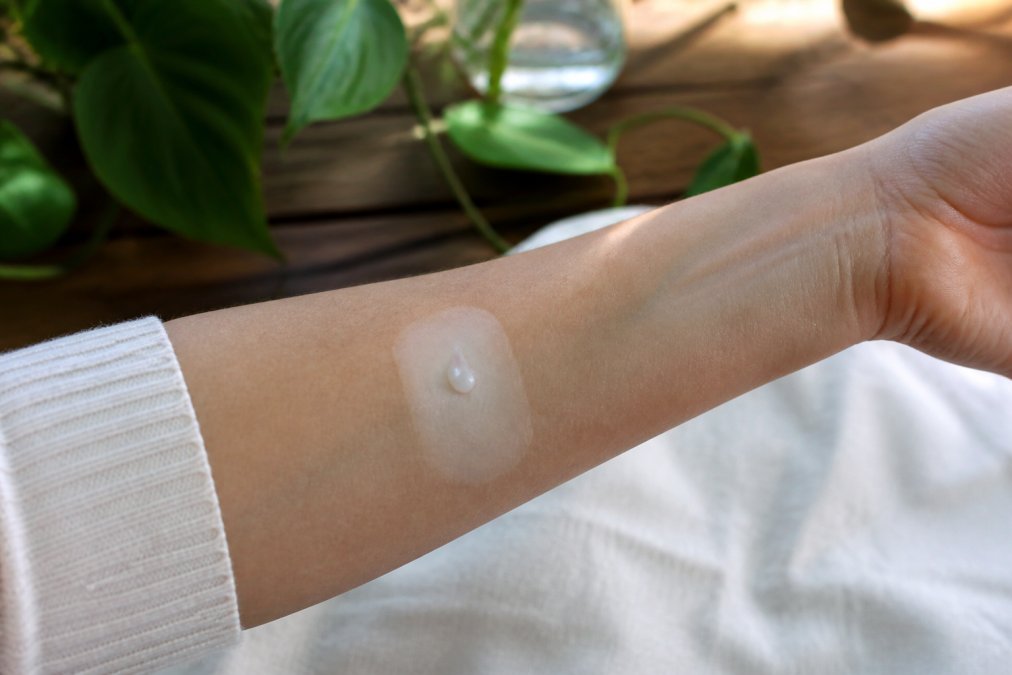
Apply a small amount of the product to clean skin on your inner arm or behind your ear, areas less exposed to sun and friction. Wait 24-48 hours and observe for redness, itching, burning, or swelling. If no reaction occurs, apply to a small area of your face and wait another 24 hours before full use. Introduce one new product at a time so you can identify which product causes any reaction. Keep a simple log of products and dates tested.
Are natural ingredients always safer for sensitive skin?
Not necessarily. While many natural ingredients like aloe vera, thermal spring water, and glycerin soothe sensitive skin, some plant-derived components (essential oils, certain extracts) can trigger inflammation or irritation. The key is understanding your specific triggers and choosing products with minimal, well-tolerated ingredients. Handcrafted, small-batch products often use fewer synthetic stabilizers and preservatives, which can reduce the risk of unexpected reactions compared to mass-produced formulas.
What does a dermatologist recommended skincare routine look like for sensitive skin?
Start with a gentle, fragrance-free cleanser that maintains pH balance. Follow with a hydrating toner or essence if needed. Apply a ceramide-rich moisturizer to repair the skin barrier and reduce transepidermal water loss. Use a mineral sunscreen with zinc oxide or titanium dioxide daily. Avoid active ingredients like retinoids and AHAs/BHAs unless recommended by a dermatologist. Keep your routine simple, more products mean more chances for irritation. Consistency matters more than complexity.
How does pH balance affect sensitive skin?
Your skin's natural pH is around 4.5-5.5 (slightly acidic). Products with a higher pH disrupt the skin barrier, increase inflammation, and trigger sensitivity. Alkaline cleansers strip protective oils, worsening redness and reactive skin. pH-balanced products help maintain the skin barrier's integrity and reduce irritation. When choosing cleansers and toners, look for products formulated to respect your skin's natural pH. This is especially important if you have reactive or compromised skin.
Can I use the same skincare routine year-round with sensitive skin?
Your routine may need adjustments seasonally. Winter often requires heavier moisturizers and more frequent barrier repair due to dry air and heating systems. Summer may call for lighter hydration and stricter sun protection. Environmental triggers like humidity, pollution, and temperature changes can cause flare-ups. Monitor your skin's response and adjust products as needed. Keep a backup routine ready for flare-ups, a minimal set of your most trusted, tolerated products.