 ultimate-guide
Natural Ingredients for Skin Nourishment: A 2026 Guide
Table of Contents
- What Natural Ingredients Do for Your Skin
- The Science Behind Natural Skin Nourishment
- Benefits of Beeswax for Skin Health
- Natural Skincare for Dry Skin: Targeted Ingredient Selection
- Top Natural Ingredients for Skin Nourishment
- Building Your DIY Natural Skincare Routine
- Ingredients to Avoid in Natural Skincare
- Ingredient Synergy and Formulation Safety
- Frequently Asked Questions
Last Updated: September 4, 2026
What Natural Ingredients Do for Your Skin
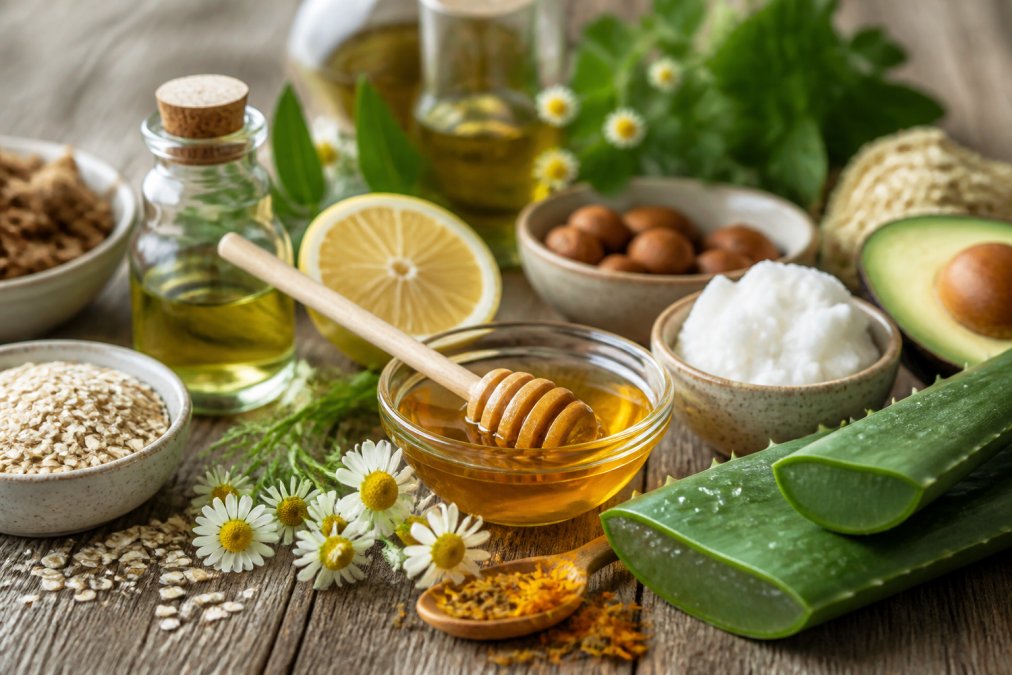
Natural ingredients for skin nourishment work by delivering concentrated bioactive compounds directly into your skin's layers. Unlike synthetic formulations, plant-based oils, botanical extracts, and natural butters contain phytonutrients and antioxidants that support your skin barrier function at the cellular level. At The Beekeeper's Basket, we've built our entire product line around this principle: skin thrives when you give it what nature intended.
The challenge most people face is understanding which ingredients actually penetrate versus which ones just sit on the surface. Cold-pressed carrier oils, for instance, contain fatty acids that mimic your skin's natural lipid barrier. Botanical extracts deliver soothing agents and anti-inflammatory compounds. Beeswax acts as a protective occlusive, sealing in moisture without clogging pores. Each ingredient plays a specific role, and when combined thoughtfully, they create a nourishment system that addresses dryness, irritation, and loss of elasticity.
The Science Behind Natural Skin Nourishment
How Carrier Oils and Butters Penetrate the Skin Barrier
Carrier oils penetrate the epidermis through a process called transdermal absorption. Their molecular structure allows them to cross the lipid barrier without disrupting it. Cold-pressed oils retain more of their natural fatty acids and phytonutrients compared to refined versions, making them superior for skin nourishment.
Butters like shea and cocoa work differently than oils. They're solid at room temperature due to their higher saturated fat content, which means they sit closer to the skin surface, providing occlusive protection. When you layer a carrier oil first, then seal it with butter, you create a moisture-locking system that prevents trans-epidermal water loss, the primary cause of persistent dryness.
Antioxidants and Phytonutrients: Protecting Skin at the Cellular Level
Antioxidants neutralize free radicals that damage skin cells and accelerate aging. Natural sources like vitamin C from botanical extracts, polyphenols from green tea hydrosols, and carotenoids from plant oils provide this protection without synthetic stabilizers. Phytonutrients, plant compounds that give fruits and vegetables their color, work similarly, offering anti-inflammatory and skin-repairing benefits.
The key difference between natural and synthetic antioxidants is bioavailability. Your skin recognizes and processes plant-derived compounds more efficiently than lab-created alternatives. According to research on botanical phytonutrients from the Journal of Agricultural and Food Chemistry, plant extracts show measurably higher absorption rates in dermal tissue compared to isolated synthetic versions.
Benefits of Beeswax for Skin Health
Beeswax offers unique benefits that distinguish it from other natural occlusive ingredients. It creates a breathable protective layer that allows skin to release moisture while preventing external irritants from penetrating. Unlike petroleum-derived alternatives, beeswax is non-comedogenic, meaning it won't clog pores even with daily use.
Beeswax also contains natural esters and long-chain fatty acids that support skin elasticity and collagen synthesis. When applied over hydrating layers, it seals in nourishment for hours. This is why The Beekeeper's Basket uses beeswax as the final step in many of our formulations, it's the most effective way to lock in the benefits of the oils and extracts underneath.
Natural Skincare for Dry Skin: Targeted Ingredient Selection
Humectants, Emollients, and Occlusives: The Three-Layer Approach
Dry skin requires a three-part system. Humectants like hyaluronic acid and glycerin draw moisture from the air into your skin. Emollients, typically carrier oils and butters, smooth the skin surface and fill gaps between cells. Occlusives seal everything in, preventing moisture loss.
Most people skip this layering approach and apply one product, expecting results. That's why they fail. A hydrosol-based toner delivers humectants. A carrier oil provides emollients. A beeswax balm acts as the occlusive. Apply them in sequence, and you address dryness at three different levels. This method works for sensitive skin too, since each layer is individually gentle but collectively powerful.
Top Natural Ingredients for Skin Nourishment
Cold-Pressed Oils and Their Nutrient Profiles
Cold-pressed oils retain maximum nutrient density because they're extracted without heat. Jojoba oil closely mirrors skin's natural sebum composition, making it ideal for barrier repair. Rosehip seed oil contains vitamin A and fatty acids that support cell turnover. Argan oil provides vitamin E and linoleic acid for elasticity.
The nutrient profile varies significantly by oil. Coconut oil, despite its popularity, has a higher comedogenic rating and works better as an occlusive than a treatment oil for most skin types. Marula oil absorbs faster and suits oily or combination skin. Squalane, derived from plant sources, penetrates deeply without leaving residue. The choice depends on your skin type and specific concerns.
Botanical Extracts and Hydrosols
Botanical extracts concentrate the beneficial compounds from plants into liquid or powder form. A calendula extract contains flavonoids and polysaccharides that soothe irritation. Chamomile extract reduces redness and calms inflammation. Green tea extract provides powerful antioxidants that protect against environmental damage.
Hydrosols, the water byproduct of essential oil distillation, offer gentler alternatives to extracts. Rose hydrosol balances pH and provides light hydration. Witch hazel hydrosol tightens pores and reduces oiliness. These can be applied directly as toners or mixed into other formulations. They're particularly valuable for sensitive skin because they deliver botanical benefits without the concentration of extracts.
Honey, Ceramides, and Soothing Agents
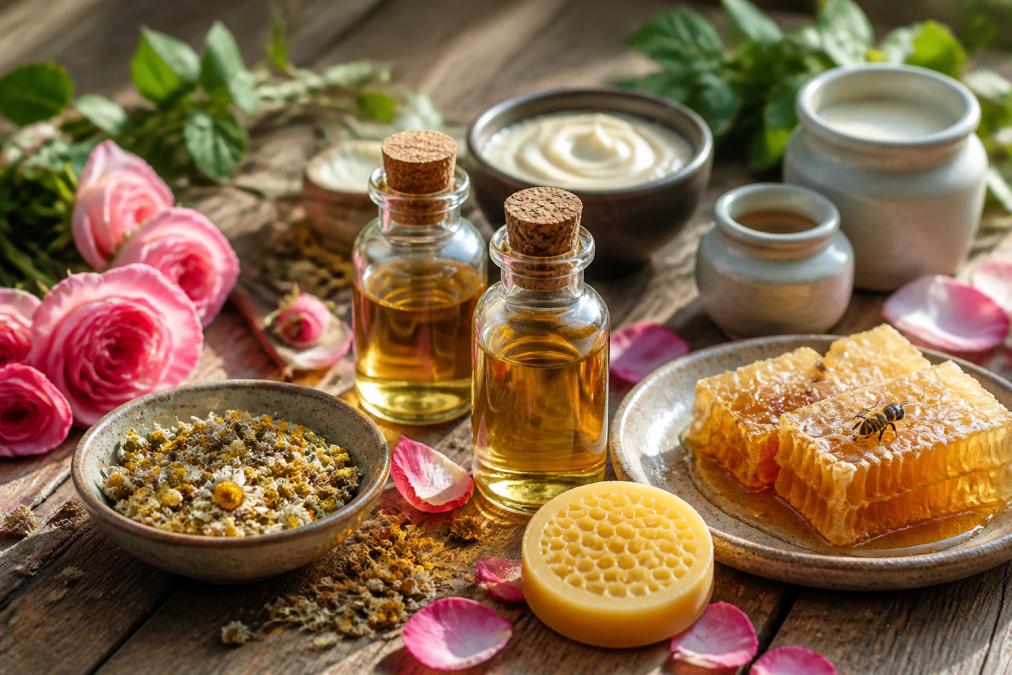
Raw honey is a humectant powerhouse. It draws moisture into skin while providing antimicrobial and soothing properties. Ceramides, lipid molecules naturally present in skin, restore barrier function when applied topically. Plant-derived ceramides from oils like safflower provide the same benefits as animal sources without ethical concerns.
Soothing agents like colloidal oatmeal, aloe vera, and centella asiatica reduce inflammation and irritation. These work best when combined with occlusive ingredients. A mask containing honey and oatmeal hydrates and soothes, but without a sealing layer, the benefits fade quickly. This is why formulation strategy matters as much as ingredient selection.
Building Your DIY Natural Skincare Routine
Step 1: Cleanse with Gentle Botanical Extracts
Start with a gentle cleanser that removes oil and impurities without stripping your skin barrier. A milk cleanser made with chamomile extract and carrier oil dissolves makeup and dirt while maintaining hydration. Oil cleansers work similarly, they break down sebum-based impurities without harsh surfactants.
Apply cleanser to dry skin, massage gently for 30 seconds, then add a small amount of water to emulsify. Rinse thoroughly. This approach removes buildup while preserving the skin's natural lipid layer. Skip this step and your subsequent nourishing layers won't penetrate effectively.
Step 2: Tone and Prepare with Hydrosols
After cleansing, apply a hydrosol-based toner while skin is still slightly damp. This locks in moisture and prepares skin for the next layers. Rose or witch hazel hydrosol works for most skin types. Apply with a cotton pad or spray directly onto skin.
The toning step is often skipped, but it's critical for dry skin. Hydrosols provide humectants that draw moisture deep into the epidermis. Without this step, your oils and butters sit on the surface rather than penetrating where they're needed.
Step 3: Nourish with Layered Oils and Butters
Apply a lightweight carrier oil first, jojoba or rosehip work well for most skin types. Use just enough to create a thin, even layer. Wait 30 seconds for absorption, then apply a richer oil like argan or marula. This double-layering approach delivers more nutrients than a single application.
Follow with a butter or balm if your skin is very dry. A blend of shea butter and beeswax provides lasting occlusive protection. Apply sparingly, a dime-sized amount covers the entire face. More product doesn't mean more benefit; excess sits on skin and can feel heavy.
Step 4: Seal with Beeswax or Occlusive Ingredients
The final step locks everything in. A thin layer of beeswax balm seals the oils and hydration underneath, preventing moisture loss throughout the day or night. This is where The Beekeeper's Basket's balms excel, they're formulated specifically to provide occlusive protection without clogging pores.
Apply the balm to your fingertips, warm it slightly, then gently press it into skin. Don't rub or massage; pressing ensures even coverage without disrupting the layers below. This complete routine takes five minutes but delivers results comparable to expensive multi-step systems.
Ingredients to Avoid in Natural Skincare
Not all "natural" ingredients are beneficial. Synthetic fragrances, even those labeled as "natural fragrance," often contain undisclosed chemicals that trigger sensitivity. Parabens, while preservatives, accumulate in skin over time and can disrupt hormone signaling. Sulfates strip away natural oils, leaving skin dry and compromised.
Mineral oil and petrolatum, though widely used, don't nourish skin, they merely coat it. Your skin can't absorb these petroleum derivatives, so they prevent your own natural oils from functioning properly. Silicones create a similar effect, blocking moisture and trapping bacteria. Essential oils, while natural, are highly concentrated and can irritate sensitive skin if used undiluted. Always check ingredient lists for these common culprits.
Ingredient Synergy and Formulation Safety
Why Preservation Matters in DIY Skincare
If you're making skincare products at home, preservation is non-negotiable. Water-based formulations grow bacteria and mold without proper preservation. Many DIY recipes skip this step, leading to contaminated products that cause infections rather than nourishment.
Natural preservatives like vitamin E, rosemary extract, and grapefruit seed extract offer some protection but aren't sufficient for water-based products. If your DIY routine includes hydrosols or aloe vera, you need an actual preservative system. This is one area where The Beekeeper's Basket's small-batch approach provides an advantage, our products are made fresh in small quantities and use proven preservation methods that maintain safety without synthetic chemicals.
Sourcing Transparency and Sustainability
Where your ingredients come from matters. Cold-pressed oils sourced from regenerative farms support soil health and contain higher nutrient density than conventionally grown alternatives. Botanical extracts from wild-harvested plants may be more potent but risk depleting natural populations. Certified organic ingredients eliminate pesticide residue that can irritate sensitive skin.
According to the FDA's guidance on cosmetic ingredient sourcing, transparency in sourcing is essential for safety and efficacy. Ask suppliers about their sourcing practices. The Beekeeper's Basket sources ingredients from New England suppliers whenever possible, ensuring freshness and supporting local sustainability. This commitment means higher costs but guarantees quality and ethical practices.
Natural ingredients for skin nourishment work best when you understand how they function together. The layering approach, humectants, emollients, occlusives, isn't just theory; it's how your skin barrier actually repairs itself. The Beekeeper's Basket has built every product around this science, combining cold-pressed oils, botanical extracts, and beeswax in formulations designed for real results. Whether you're building a DIY routine or choosing ready-made products, prioritize ingredient synergy, sourcing transparency, and proper preservation. Your skin will respond with visible improvement in hydration, elasticity, and overall health. Learn more about natural skincare ingredients from the International Journal of Cosmetic Science for peer-reviewed research on botanical compounds and skin health. LET'S EXPLORE! our collection of handcrafted, bee-inspired skincare products made fresh in small batches right here in New England.
| Skincare Step | Primary Function | Best Ingredient Type | Application Timing |
|---|---|---|---|
| Cleanse | Remove impurities | Botanical milk or oil cleanser | Morning and evening |
| Tone | Hydrate and prepare | Hydrosol or botanical toner | After cleansing, on damp skin |
| Nourish | Deliver nutrients | Layered carrier oils | After toning, 30-second intervals |
| Seal | Lock in moisture | Beeswax balm or butter blend | Final step, press gently |
Frequently Asked Questions
What are the most effective natural ingredients for deep skin nourishment?
The most effective natural ingredients combine carrier oils (jojoba, rosehip, argan), botanical extracts (green tea, chamomile), and occlusive agents like beeswax. Carrier oils deliver fatty acids and phytonutrients that strengthen the skin barrier. Antioxidants from plant extracts protect against environmental damage. Beeswax creates a protective seal that reduces trans-epidermal water loss. The key is layering these ingredients, humectants draw moisture in, emollients soften, and occlusives lock it all in. Small-batch formulations like those from artisan makers ensure these ingredients remain potent and fresh.
How do beeswax and honey benefit skin health?
Beeswax acts as a natural occlusive, creating a breathable barrier that prevents moisture loss without clogging pores. It's non-comedogenic and rich in vitamin A, which supports skin elasticity and cell renewal. Honey is a humectant that draws water into the skin, plus it contains natural soothing agents and anti-inflammatory compounds. Together, they form a powerful combination for nourishing and protecting skin. Both ingredients are gentle enough for sensitive skin and have been used for centuries in traditional skincare practices.
Are natural skincare ingredients safer than synthetic alternatives?
Natural ingredients are generally gentler and less likely to trigger reactions in sensitive skin, especially when sourced with care and formulated without synthetic fragrances or parabens. However, 'natural' doesn't automatically mean safe, some people react to plant compounds, and purity matters. The advantage of natural skincare lies in transparency: you know exactly what's in the product. Small-batch artisan makers often source organic-certified ingredients and avoid unnecessary stabilizers and solubilizers. That said, ingredient quality, formulation science, and preservation methods matter more than whether something is natural or synthetic. A well-formulated natural product outperforms a poorly made one.
How can I incorporate natural oils into my daily skincare routine for dry skin?
Start with a gentle cleanser containing botanical extracts, then apply a hydrosol or toner to damp skin. While your skin is still slightly moist, apply a lightweight carrier oil like jojoba or rosehip, this locks in hydration. Follow with a richer oil or butter blend if your skin needs extra nourishment. Finish by sealing everything with a thin layer of beeswax balm or an occlusive oil. Apply morning and night, adjusting quantities based on your skin's response. For very dry skin, use humectant-rich ingredients like glycerin or honey before oils to draw moisture in first. Cold-pressed, organic oils retain more phytonutrients and work better than refined versions.
What natural ingredients are best for soothing irritated or sensitive skin?
Chamomile extract, calendula hydrosol, and oat-based soothing agents are excellent for calming irritation. Honey has natural anti-inflammatory properties that reduce redness and support healing. Ceramides from plant sources help repair a compromised skin barrier. Avoid essential oils and synthetic fragrances if your skin is inflamed, stick to gentle carrier oils like hemp seed or sunflower oil instead. Beeswax is particularly good for sensitive skin because it's naturally soothing and doesn't trigger reactions in most people. Look for small-batch products that skip unnecessary preservatives and fragrance additives. If you have reactive skin, patch-test any new ingredient on a small area first.
Can I make my own natural skincare products at home?
Yes, but success requires attention to formulation science and preservation. Simple products like oil blends or beeswax balms are beginner-friendly, mix carrier oils with cold-pressed botanical extracts and beeswax, then let cool. Water-based products (hydrosols, creams) are trickier because they need proper preservation to prevent bacterial or mold growth. Without stabilizers or preservatives, water-based DIY products spoil quickly. Start with anhydrous (water-free) recipes using oils, butters, and beeswax. Source organic-certified ingredients to ensure purity. Keep tools and containers sterile. Store finished products in cool, dark conditions. If you're new to DIY, consider starting with pre-made base ingredients from reputable suppliers rather than formulating from scratch.
This article was written using GrandRanker
Frequently Asked Questions
Q: What are the most effective natural ingredients for deep skin nourishment?
A: The most effective natural ingredients combine carrier oils (jojoba, rosehip, argan), botanical extracts (green tea, chamomile), and occlusive agents like beeswax. Carrier oils deliver fatty acids and phytonutrients that strengthen the skin barrier. Antioxidants from plant extracts protect against environmental damage. Beeswax creates a protective seal that reduces trans-epidermal water loss. The key is layering these ingredients—humectants draw moisture in, emollients soften, and occlusives lock it all in. Small-batch formulations like those from artisan makers ensure these ingredients remain potent and fresh.
Q: How do beeswax and honey benefit skin health?
A: Beeswax acts as a natural occlusive, creating a breathable barrier that prevents moisture loss without clogging pores. It's non-comedogenic and rich in vitamin A, which supports skin elasticity and cell renewal. Honey is a humectant that draws water into the skin, plus it contains natural soothing agents and anti-inflammatory compounds. Together, they form a powerful combination for nourishing and protecting skin. Both ingredients are gentle enough for sensitive skin and have been used for centuries in traditional skincare practices.
Q: Are natural skincare ingredients safer than synthetic alternatives?
A: Natural ingredients are generally gentler and less likely to trigger reactions in sensitive skin, especially when sourced with care and formulated without synthetic fragrances or parabens. However, 'natural' doesn't automatically mean safe—some people react to plant compounds, and purity matters. The advantage of natural skincare lies in transparency: you know exactly what's in the product. Small-batch artisan makers often source organic-certified ingredients and avoid unnecessary stabilizers and solubilizers. That said, ingredient quality, formulation science, and preservation methods matter more than whether something is natural or synthetic. A well-formulated natural product outperforms a poorly made one.
Q: How can I incorporate natural oils into my daily skincare routine for dry skin?
A: Start with a gentle cleanser containing botanical extracts, then apply a hydrosol or toner to damp skin. While your skin is still slightly moist, apply a lightweight carrier oil like jojoba or rosehip—this locks in hydration. Follow with a richer oil or butter blend if your skin needs extra nourishment. Finish by sealing everything with a thin layer of beeswax balm or an occlusive oil. Apply morning and night, adjusting quantities based on your skin's response. For very dry skin, use humectant-rich ingredients like glycerin or honey before oils to draw moisture in first. Cold-pressed, organic oils retain more phytonutrients and work better than refined versions.
Q: What natural ingredients are best for soothing irritated or sensitive skin?
A: Chamomile extract, calendula hydrosol, and oat-based soothing agents are excellent for calming irritation. Honey has natural anti-inflammatory properties that reduce redness and support healing. Ceramides from plant sources help repair a compromised skin barrier. Avoid essential oils and synthetic fragrances if your skin is inflamed—stick to gentle carrier oils like hemp seed or sunflower oil instead. Beeswax is particularly good for sensitive skin because it's naturally soothing and doesn't trigger reactions in most people. Look for small-batch products that skip unnecessary preservatives and fragrance additives. If you have reactive skin, patch-test any new ingredient on a small area first.
Q: Can I make my own natural skincare products at home?
A: Yes, but success requires attention to formulation science and preservation. Simple products like oil blends or beeswax balms are beginner-friendly—mix carrier oils with cold-pressed botanical extracts and beeswax, then let cool. Water-based products (hydrosols, creams) are trickier because they need proper preservation to prevent bacterial or mold growth. Without stabilizers or preservatives, water-based DIY products spoil quickly. Start with anhydrous (water-free) recipes using oils, butters, and beeswax. Source organic-certified ingredients to ensure purity. Keep tools and containers sterile. Store finished products in cool, dark conditions. If you're new to DIY, consider starting with pre-made base ingredients from reputable suppliers rather than formulating from scratch.