 ultimate-guide
What Is Clean Beauty and Why It Matters
Table of Contents
- What Is Clean Beauty and Why It Matters
- Clean Beauty Ingredients: What Goes In and What Stays Out
- Clean Beauty vs Natural Beauty: What's the Difference?
- How to Read Skincare Ingredient Labels Without Getting Fooled
- Clean Beauty Products for Dry Skin: What Actually Helps
- Common Misconceptions About Clean Beauty
- Is Clean Beauty Regulated? What the Labels Really Mean
- Conclusion
- Frequently Asked Questions
Last Updated: October 17, 2026
What Is Clean Beauty and Why It Matters
Clean beauty is a skincare approach that prioritizes ingredients chosen for safety and transparency, avoiding those linked to irritation or health concerns, regardless of whether they're synthetic or plant-derived. At The Beekeeper's Basket, we explain it this way: clean beauty isn't about fear of chemistry, it's about knowing what touches your skin. The term carries real weight for anyone with sensitive skin, yet it has no legal definition, which is exactly why it matters to understand it before you shop.
Here's what most guides get wrong: they treat "clean" as a synonym for "natural." It isn't. A lab-made ingredient can be perfectly clean, and a botanical extract can be a common irritant. Below, we'll show you exactly how to tell the difference, read a label without being fooled, and choose products that genuinely suit dry, reactive skin.
Clean Beauty Ingredients: What Goes In and What Stays Out
Clean beauty ingredients fall into two broad groups: nourishing actives that support the skin barrier, and simple base ingredients that carry a formula without adding irritation risk. Most clean formulators build around a short, readable list.
Common Ingredients You'll Find in Clean Formulas
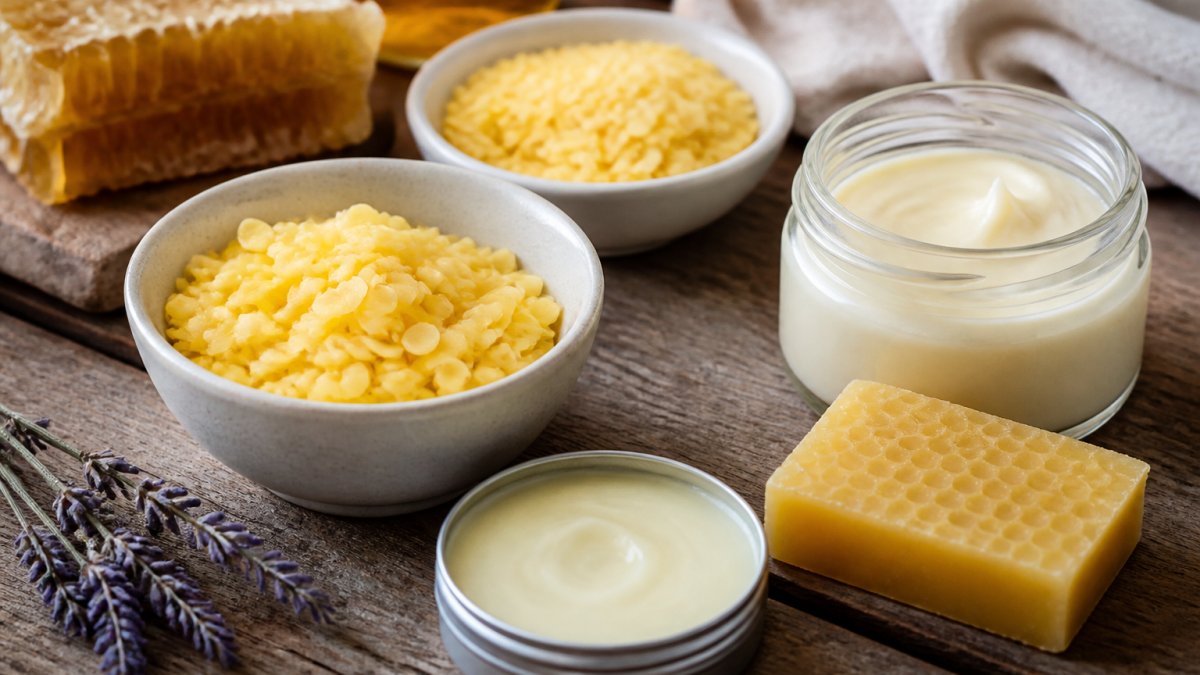
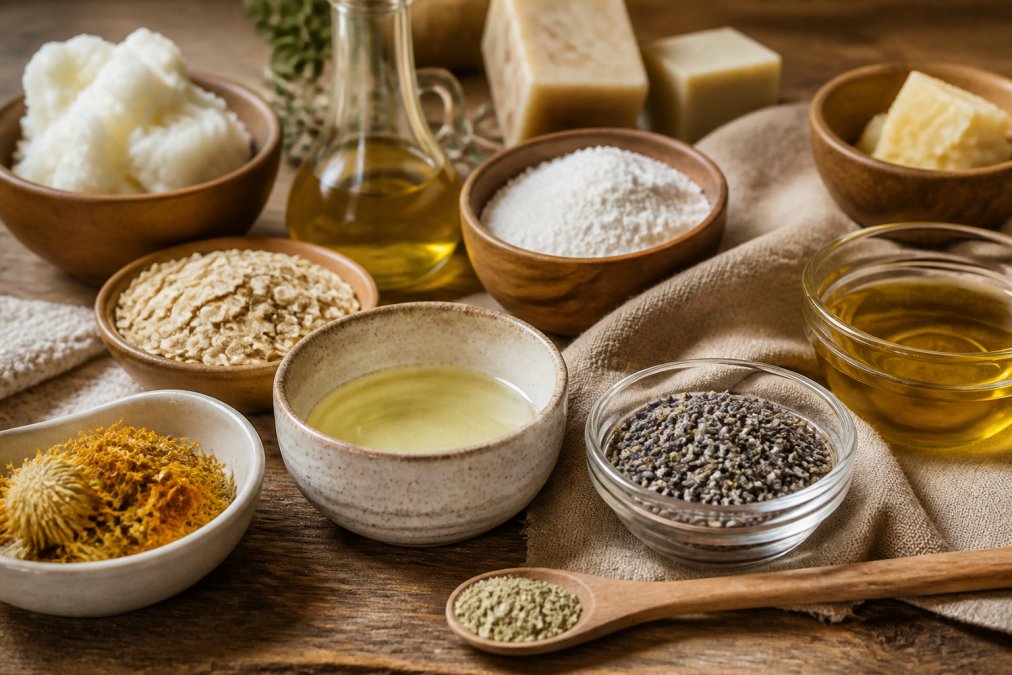
You'll typically see plant oils and butters (shea, jojoba, olive), humectants like glycerin, gentle emulsifiers, and beeswax for texture and protection. Antioxidants such as vitamin E help keep oils stable. These ingredients do real work: they soften, seal in moisture, and support the skin's outer layer.
Ingredients Clean Beauty Leaves Behind
Formulators in this space generally avoid a familiar shortlist: parabens, phthalates, synthetic fragrances, formaldehyde-releasing preservatives, and certain sulfates. The concern varies by ingredient, and "avoid" doesn't always mean "proven harmful." What matters is that a clean brand tells you what it left out and why.
Clean Beauty vs Natural Beauty: What's the Difference?
Clean beauty and natural beauty overlap but are not the same thing. Natural beauty emphasizes ingredients sourced from nature. Clean beauty emphasizes safety and transparency, and it may include synthetic ingredients that are well-tested and gentle. A product can be natural but not clean (a botanical oil can still irritate), or clean but not fully natural (a lab-made humectant may be the gentlest option for reactive skin).
That's the distinction most shoppers miss. When you're comparing labels, ask "is this ingredient safe for my skin?" rather than "is this from a plant?"
How to Read Skincare Ingredient Labels Without Getting Fooled
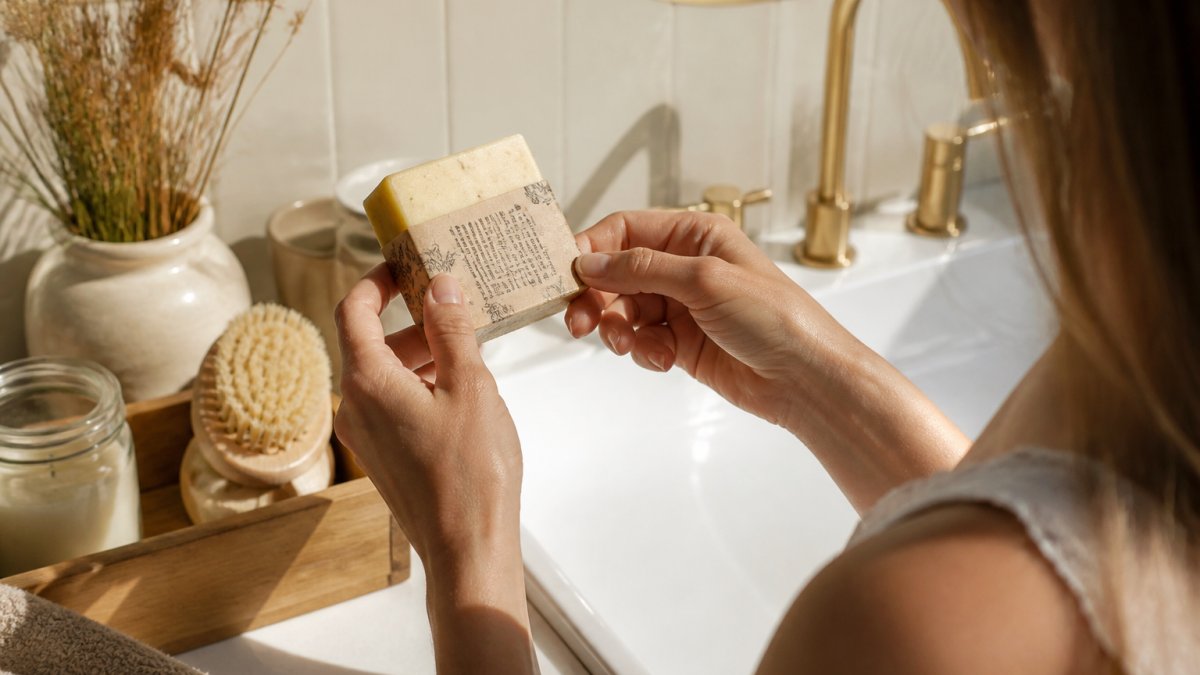
Reading a skincare label well means knowing two things: ingredients are listed in descending order by concentration, and the first five to seven entries tell most of the story. Everything below roughly the one-percent mark can be listed in any order, which is where marketing gets creative.
The Order Rule and the Marketing Traps
Start at the top. If water or a filler oil leads and the "hero" botanical sits near the bottom, it's a trace amount. Watch for "fragrance" or "parfum" listed as a single catch-all, since that one word can hide dozens of compounds. And treat front-of-label claims ("clean," "pure," "non-toxic") as marketing, not certification, because no agency verifies them.
Clean Beauty Products for Dry Skin: What Actually Helps
For dry skin, the most effective clean beauty products are barrier-supporting moisturizers built on oils, butters, and humectants rather than lightweight water gels. Dry skin lacks the lipids that hold moisture in, so occlusive ingredients like beeswax, shea butter, and jojoba oil earn their place.
Look for short ingredient lists you can read, fragrance kept out or clearly disclosed, and a texture that feels protective rather than watery. Our handcrafted soaps and lotions are made in small batches with exactly this in mind, using gentle, skin-nourishing ingredients for people whose skin reacts to harsher formulas. If you're coming from drugstore bars, expect a richer feel and a shorter list, and patch-test first if your skin is highly reactive.
Common Misconceptions About Clean Beauty
The biggest misconception is that "clean" means "natural," and the second is that clean products can't irritate. Botanical essential oils are a frequent culprit for sensitive skin, so "plant-based" is no guarantee of gentleness. Another myth: that clean beauty is unregulated and therefore meaningless. It's true the term isn't legally defined, but that's a reason to read labels carefully, not to dismiss the category. Finally, "chemical-free" is a marketing phrase, since water itself is a chemical. Honest brands skip it.
Is Clean Beauty Regulated? What the Labels Really Mean
No, clean beauty is not regulated as a category in the United States. The FDA's guidance on cosmetics and labeling does not define "clean," "natural," or "non-toxic," so brands set their own standards. That means a "clean" seal often reflects a retailer's or brand's criteria, not a government certification.
So how do you cut through it? Check whether the brand publishes its ingredient standards, look at the actual list, and favor makers who explain their choices. Small-batch producers who make products fresh tend to be more transparent about what's inside, simply because they're closer to the formula. The FTC's rules on cosmetic advertising claims also require that marketing claims be truthful and not misleading, which is your real protection against exaggerated labels.
Conclusion
The challenge with clean beauty is that the term is only as honest as the brand behind it, so your best defense is a sharp eye on the ingredient list. At The Beekeeper's Basket, we make that easy: our handcrafted soaps and lotions are made in small batches with skin-nourishing ingredients, transparent formulas, and a genuine commitment to freshness. If you want products you can actually read and trust, explore our collection and see the difference small-batch care makes. LET'S EXPLORE!
Frequently Asked Questions
What does clean beauty mean?
Clean beauty refers to skincare and personal care products made without ingredients linked to irritation or health concerns, such as synthetic fragrances, parabens, and sulfates. It focuses on transparency: you should be able to read the label and understand what each ingredient does. Clean beauty products often use plant-based oils, butters, and gentle preservatives. The term is not legally defined, so the brand's ingredient standards matter more than the label itself.
Is clean beauty the same as natural beauty?
No. Natural beauty means ingredients come from nature, but that does not guarantee safety or gentleness. Poison ivy is natural. Clean beauty is about what is left out and how transparent the formula is, and it can include safe lab-made ingredients like vitamin C or hyaluronic acid. When comparing clean beauty vs natural beauty, look for brands that explain their ingredient standards rather than just stamping 'natural' on the jar.
Are clean beauty products safer than conventional products?
Clean beauty products avoid ingredients like synthetic fragrance and harsh sulfates that commonly trigger reactions, which can make them a better fit for sensitive skin. That said, 'clean' does not automatically mean hypoallergenic. Essential oils and botanical extracts can still irritate some people. Patch test any new product on your inner arm for 24 hours, and check the full ingredient list if you know your specific triggers.
Can clean beauty products work for dry skin?
Yes. Clean beauty products for dry skin often rely on shea butter, beeswax, jojoba oil, and honey, which seal in moisture without stripping the skin barrier. Look for short ingredient lists with oils and butters near the top, and avoid products with drying alcohols or strong fragrances.
How can you tell if a beauty product is clean?
Start by reading the full ingredient list, not the front label. Ingredients are listed by weight, so anything after the preservative is present in tiny amounts. Watch for vague terms like 'fragrance' or 'parfum' that hide dozens of compounds. A clean brand will name its preservative system and explain why each ingredient is there. If a company will not share a complete list, treat that as a red flag.
Is clean beauty regulated?
In the United States, the FDA regulates cosmetics for safety and labeling but does not officially define or certify 'clean beauty.' That means the term is a marketing standard set by each brand, not a government seal. The FDA does require ingredients to be listed on labels and prohibits misbranding. Because there is no single authority, compare each brand's published ingredient policy instead of trusting the word 'clean' alone.