 blog
7 Best Artisan Soaps for Holiday Gift Baskets
Table of Contents
- Why Artisan Soaps Make Exceptional Holiday Gifts
- Best Natural Soaps for Dry Skin
- Seven Artisan Soaps Worth Gifting This Season
- Understanding Natural Soap Ingredients
- Handmade Soap Gift Set Curation Tips
- How to Store Handmade Soap for Maximum Freshness
- What Makes Small-Batch Soaps Worth the Investment
- Conclusion
- Frequently Asked Questions
Last Updated: October 21, 2026
Why Artisan Soaps Make Exceptional Holiday Gifts
Holiday gift shopping can feel overwhelming, but the 7 best artisan soaps for holiday gift baskets offer a solution that works across nearly every budget and preference. These handcrafted bars deliver something mass-produced alternatives simply cannot: genuine care in every detail. At The Beekeeper's Basket, we've seen firsthand how the right soap transforms a gift from forgettable to memorable.
The appeal runs deeper than aesthetics. Artisan soaps for holiday gift baskets combine luxury, practicality, and thoughtfulness in one package. Unlike commercial soaps loaded with synthetic fragrances and harsh chemicals, small-batch options prioritize skin health. They arrive fresh, they perform better, and they signal to the recipient that you chose something meaningful rather than generic.
This matters because gift recipients notice. They notice when a soap lathers differently. They notice when their skin feels softer afterward. They notice that the scent lingers without triggering headaches. That's the difference between a soap someone uses once and a soap they actually look forward to using.
Best Natural Soaps for Dry Skin
Dry skin demands specific ingredients, and this is where artisan soaps shine. Small-batch makers understand that oat, honey, goat milk, and plant-based oils create bars that hydrate rather than strip. These natural soap ingredients work with your skin's moisture barrier instead of against it.
When selecting natural soaps for dry skin, look for formulations that include emollient oils like coconut, olive, or jojoba. These create a protective layer that locks in moisture. Oatmeal adds gentle exfoliation without irritation. Honey is a humectant, meaning it actually draws moisture into the skin. Goat milk closely mirrors skin's pH, making it ideal for sensitive, dry complexions.
The curing process matters too. Properly cured cold-process soap develops a harder bar that lasts longer and creates a creamier lather. This extended contact with skin means more time for those nourishing ingredients to work. Commercial soaps often skip extended curing to speed production, which means less benefit for dry skin.
Seven Artisan Soaps Worth Gifting This Season
These 7 best artisan soaps for holiday gift baskets represent the best of what small-batch soapmaking offers. Each brings distinct scent profiles, performance characteristics, and gift appeal.
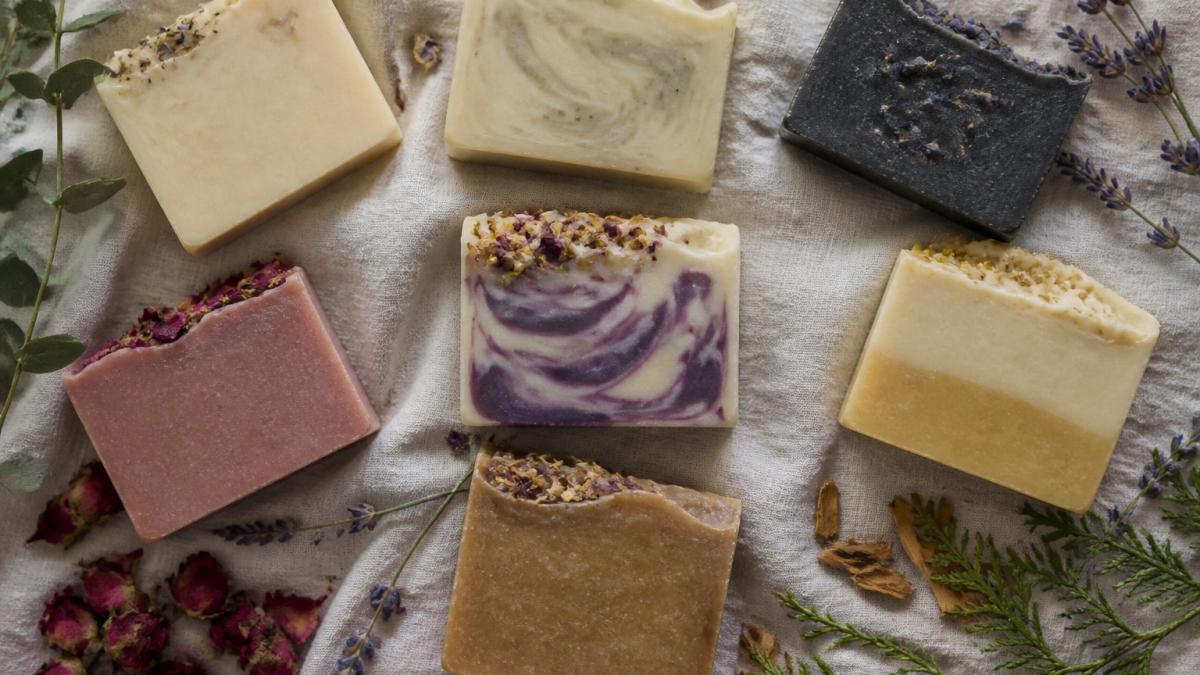
Lavender & Honey Soap
This combination defines comfort. Lavender's calming scent profile makes it ideal for evening routines, while honey's natural humectant properties address dryness directly. The scent profile sits in the middle-note range, meaning it's noticeable but not overwhelming.
Honey adds a subtle sweetness that rounds out lavender's herbaceous edges.
Rose & Oat Soap
Rose brings elegance to any gift basket. This floral oil creates a sophisticated scent profile that appeals across age ranges and preferences. Oatmeal provides gentle exfoliation without the harshness of synthetic scrubbers. Together, they create a luxurious bar that performs beautifully in cold-process formulations.
The scent profile leans toward top and middle notes, offering initial brightness that softens into depth. The combination works especially well for gift recipients with sensitive skin who want both cleansing and nourishment.
Cedarwood & Mint Soap
This pairing delivers an unexpected punch. Cedarwood's woody base notes ground the composition, while mint's fresh, sharp profile creates an energizing top note. The contrast makes this soap memorable. Cold-process cedarwood and mint soaps hold their scent through extended curing, with the woody notes actually deepening over time.
Together, they create a scent profile that lingers without becoming cloying. This soap works particularly well for gift recipients who prefer masculine or unisex fragrances.
Chamomile & Goat Milk Soap
Goat milk soap addresses the specific needs of dry or reactive skin. Chamomile adds both scent and skin-soothing properties. This combination makes an excellent choice for anyone who's mentioned sensitive skin or previous reactions to commercial products.
Chamomile's scent profile sits in the middle range, offering subtle herbal warmth. Goat milk naturally creates a creamier lather than many plant-based oils alone. This soap demonstrates why small-batch makers often outperform commercial alternatives for sensitive skin.
Lemongrass & Tea Tree Soap
This combination balances brightness with purpose. Lemongrass brings a citrus oil top note that feels fresh and energizing. Tea tree adds a medicinal middle note. Together, they create a scent profile that works equally well for morning showers or post-workout cleansing.
The scent profile remains vibrant through proper curing. This soap appeals to gift recipients who prefer herbaceous or medicinal scents over floral options.
Geranium & Sweet Orange Soap
Rose geranium brings a floral-herbal complexity that elevates this pairing. Sweet orange adds brightness. The scent profile combines geranium's middle notes with orange's top notes, creating depth that unfolds as you use the soap.
Cold-process geranium and orange soaps hold their fragrance well. The combination works beautifully for gift recipients who appreciate complexity without heaviness. This soap demonstrates why blending multiple essential oils creates more interesting scent profiles than single-note options.
Patchouli & Vetiver Soap
This pairing targets recipients who appreciate deeper, earthier fragrances. Patchouli and vetiver both sit in the base-note range, creating a grounding scent profile that lasts. Unlike lighter fragrances, these woody oils actually improve with age during the curing process. The scent becomes richer and more complex over months.
Cold-process formulations preserve these scents beautifully. The combination appeals to gift recipients seeking sophistication and longevity. Patchouli and vetiver soaps often become favorites for people who've previously dismissed artisan options, proving that scent preference diversity matters in gift selection.
Understanding Natural Soap Ingredients
Natural soap ingredients fall into distinct categories, each serving specific purposes. Knowing these differences helps explain why artisan soaps outperform commercial alternatives for dry or sensitive skin.
Carrier oils form the soap's foundation. Coconut oil creates lather and hardness. Olive oil adds moisturizing properties and creaminess. Palm oil (when sustainably sourced) contributes hardness and lather. Jojoba and sweet almond oils deliver skin-nourishing benefits. Each oil contributes different properties, which is why quality soapmakers blend multiple oils rather than using one or two.
Essential oils provide natural fragrance. These differ fundamentally from synthetic fragrance oils, which deliver scent without additional skin benefits. Understanding this distinction helps gift recipients appreciate why artisan soaps cost more than commercial alternatives.
Additives like honey, oatmeal, goat milk, and botanical extracts address specific skin needs. These additions require knowledge and care to incorporate properly in cold-process soap, which is why small-batch makers excel here.
Handmade Soap Gift Set Curation Tips
Building a gift basket requires strategy. Start by considering the recipient's skin type and scent preferences. Someone with dry skin needs soaps featuring honey, goat milk, or oat. Someone who prefers fresh scents should receive lemongrass or citrus options rather than heavy florals.
Mix scent profiles across your selection. Include one floral, one herbaceous, one citrus, and one woody option if possible. This variety ensures the recipient finds something for every mood and season. Avoid clustering similar scents, which creates a one-note gift experience.
Consider presentation. Artisan soaps deserve wrapping that reflects their quality. Kraft paper, twine, and dried botanicals elevate the unboxing experience. Include a small card explaining each soap's benefits and suggested use. This transforms a gift basket from nice to thoughtful.
Include variety in bar size and weight. Smaller travel-sized bars pair well with full-size options. This gives recipients flexibility for home use and on-the-go situations.
How to Store Handmade Soap for Maximum Freshness
Storage directly impacts how long a handmade soap maintains its scent and performance. Unlike commercial soaps preserved with synthetic stabilizers, artisan bars need proper conditions to stay fresh.
Keep soaps in a cool, dry location away from direct sunlight. Heat accelerates scent fading and can soften bars. Humidity causes soaps to dissolve faster. Ideal storage sits between 60-70 degrees with low humidity. A linen closet works better than a steamy bathroom.
Store soaps in their original wrapping or kraft paper rather than plastic. Paper allows the bar to continue curing slightly while protecting it from dust. Plastic traps moisture, which shortens shelf life. If you're giving soaps as gifts, this storage advice should accompany them.
Properly cured cold-process soaps last when stored correctly. The scent may mellow slightly over time, but the soap remains effective. Some recipients find that aged soaps actually perform better, as the bar becomes harder and longer-lasting. This differs dramatically from commercial soaps, which often degrade faster despite synthetic preservation.
What Makes Small-Batch Soaps Worth the Investment
The price difference between artisan and commercial soaps reflects genuine quality gaps. Small-batch makers use higher percentages of skin-nourishing oils. They extend curing time to create harder, longer-lasting bars. They avoid synthetic fragrances and harsh chemicals. These choices cost more.
A single batch of cold-process soap takes 4-6 weeks from creation to sale. During this curing period, water evaporates and the soap hardens. This process cannot be rushed without sacrificing quality. Commercial manufacturers skip extended curing, producing softer bars that dissolve faster and deliver fewer benefits.
Ingredient sourcing matters too. Quality essential oils cost significantly more than synthetic fragrances. Honey, goat milk, and botanical extracts add expense. Small-batch makers absorb these costs rather than cutting corners. The result is a soap that performs visibly better and feels noticeably different on skin.
Consistency represents another investment factor. According to consumer research on artisan product preferences, buyers specifically seek small-batch products because they trust the maker's commitment to quality over volume. When you purchase from The Beekeeper's Basket or similar makers, you're supporting a business model that prioritizes skin health over profit margins.
Conclusion
Artisan soaps for holiday gift baskets represent thoughtfulness translated into daily use. They arrive fresh, perform noticeably better than commercial alternatives, and signal genuine care in your selection. Whether you're shopping for someone with dry skin, sensitive skin, or simply refined taste, small-batch options deliver across every priority.
The Beekeeper's Basket specializes in exactly this kind of gift-worthy craftsmanship. Our handcrafted soaps are made in small batches in New England, ensuring maximum freshness and quality. We blend essential oils carefully, source nourishing ingredients thoughtfully, and cure each bar properly. When you choose The Beekeeper's Basket for your holiday gift baskets, you're giving something genuinely special. Explore our collection and discover why over 20,000 customers trust us with their most meaningful gifts.
Frequently Asked Questions
What makes artisan soaps better for dry skin than commercial alternatives?
Artisan soaps are made in small batches using high-quality natural oils and butters that retain their moisturizing properties. Cold-process soapmaking preserves the glycerin in the final bar, which commercial manufacturers often remove. Handmade soaps also skip harsh detergents and synthetic additives that strip moisture from sensitive skin, making them gentler and more nourishing for those prone to dryness.
How should I store handmade soap to keep it fresh between uses?
Store handmade soap in a cool, dry place away from direct sunlight and humidity. A well-draining soap dish or soap saver allows air circulation around the bar, preventing it from becoming mushy. Keep soaps in their original packaging until you're ready to use them, as this protects them from light exposure and dust. Properly stored artisan soap will maintain its scent and quality.
What natural soap ingredients should I look for in a quality handmade bar?
Look for soaps made with nourishing base oils like coconut, olive, and shea butter, plus skin-conditioning ingredients such as oat, honey, or goat milk. Essential oils like lavender, chamomile, and tea tree provide natural fragrance and therapeutic benefits. Avoid bars listing synthetic fragrances, sulfates, or parabens. A quality artisan soap lists its ingredients clearly and prioritizes plant-based, skin-safe formulations.
Can I mix different artisan soaps in a holiday gift basket, or should they have a theme?
Both approaches work beautifully. A themed basket, such as all citrus scents or all floral soaps, creates a cohesive, spa-like gift experience. Alternatively, a curated mix of complementary scents (like lavender paired with rose, or cedarwood with mint) appeals to recipients who enjoy variety. Pair soaps with natural accessories like a wooden brush, washcloth, or small jar of honey to enhance the gift set's appeal and perceived value.