 blog
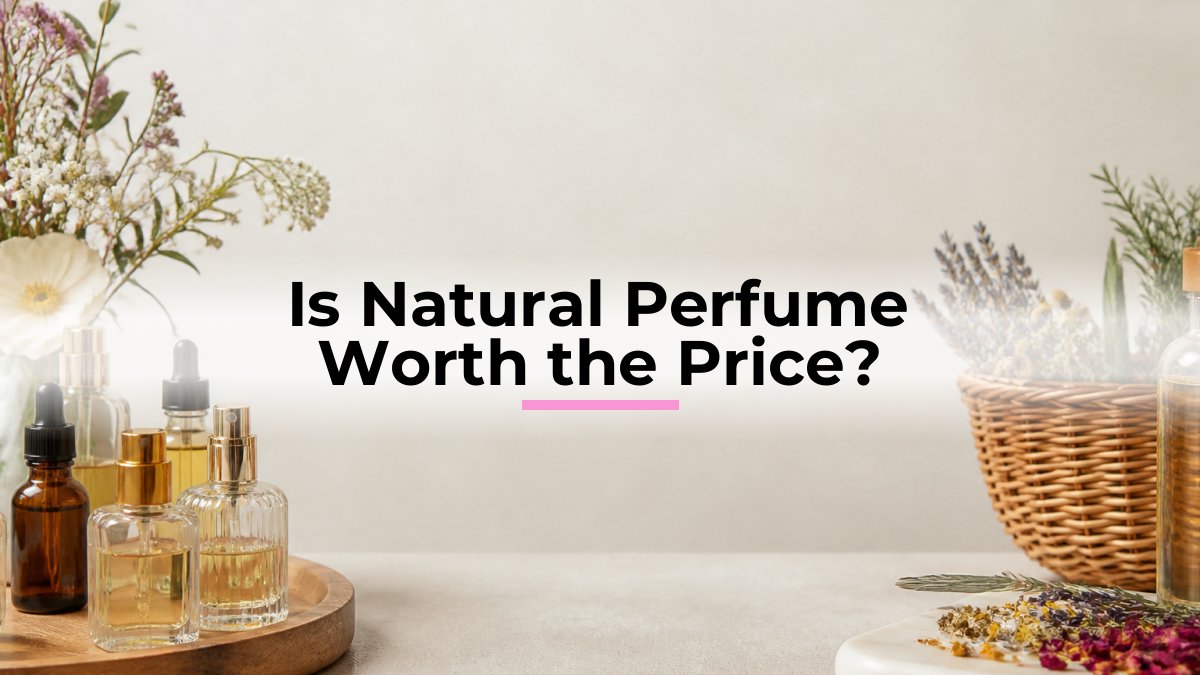
Is Natural Perfume Worth the Price?
Table of Contents
- What You're Actually Paying For
- Natural Perfume vs Synthetic Fragrance: Key Differences
- Natural Perfume Ingredients and Their Impact
- Natural Perfume Longevity: How Long Does It Really Last?
- Safety, Sensitivity, and Health Considerations
- Environmental Trade-offs: The Bigger Picture
- Who Natural Perfume Is Worth It For
- How to Assess Value Before You Buy
- Frequently Asked Questions
Last Updated: October 19, 2026
What You're Actually Paying For
When you pick up a bottle of natural perfume, you're asking whether is natural perfume worth the price, and the answer starts with understanding what you're actually buying. You're investing in a product made from botanical extracts, essential oils, and aromatic compounds sourced from plants rather than synthesized in a lab.
Natural perfume ingredients cost significantly more than their synthetic counterparts. A single ounce of rose absolute can run ten times the price of a synthetic rose fragrance. Jasmine sambac, sandalwood, and oud are particularly expensive because they're resource-intensive to produce and increasingly difficult to source sustainably.
Beyond raw materials, there's the matter of consistency. Natural ingredients vary batch to batch because they come from plants, not chemical reactors. Two harvests of lavender essential oil won't smell identical. A perfumer working with natural materials must account for this variability, adjusting formulations to maintain a recognizable scent profile. That requires skill, testing, and sometimes reformulation.
At The Beekeeper's Basket, we craft our perfumes in small batches using natural ingredients sourced thoughtfully. This approach means higher costs, but it also means you know exactly what you're getting: handcrafted fragrance made with care.
Natural Perfume vs Synthetic Fragrance: Key Differences
The difference between natural perfume and synthetic fragrance goes beyond marketing language. These are fundamentally different products with different sourcing, production, and performance profiles.
Ingredient Sourcing and Extraction
Natural fragrances begin with plants. Lavender, rose, jasmine, sandalwood, citrus peels, and resins are harvested, then processed to extract their aromatic compounds. The extraction method matters enormously. Steam distillation, solvent extraction, cold pressing, and maceration each produce different results and carry different costs.
Steam distillation is the most common method for essential oils. Heat and pressure force aromatic molecules from plant material into vapor, which then condenses into liquid. It's relatively efficient but requires significant energy and yields small amounts of oil per plant. Cold pressing works for citrus oils but not for delicate flowers.
Synthetic fragrances are created through chemical synthesis in laboratories. Chemists design molecules to mimic natural scents or create entirely new ones. Vanillin, the primary component of vanilla fragrance, can be extracted from vanilla beans or synthesized from guaiacol. The synthetic version is cheaper and consistent. It's also identical whether you make it in New Jersey or Japan.
The sourcing difference is real and material. Natural ingredients tie you to agricultural cycles, weather patterns, and geographic supply chains. Synthetic ingredients decouple fragrance production from those variables.
Production Costs and Supply Consistency
Natural ingredient sourcing creates supply-chain volatility. A bad harvest in Madagascar affects ylang-ylang availability globally. Political instability in fragrant wood-producing regions disrupts sandalwood and oud supplies. Climate change is making some traditional sources less reliable. Perfumers working with natural materials must maintain relationships with multiple suppliers and adjust formulations when preferred ingredients become scarce or prohibitively expensive.
Synthetic fragrance manufacturers face none of these constraints. They control the supply chain from synthesis to bottling. Consistency is guaranteed. Pricing is more predictable because production doesn't depend on weather, harvest timing, or geopolitical factors.
This difference directly affects your experience as a consumer. If you love a natural perfume and reorder it six months later, there's a possibility it will smell slightly different. The base notes might be richer or softer depending on which batch of sandalwood oil was used. Some people find this variation charming; others find it frustrating.
Natural Perfume Ingredients and Their Impact
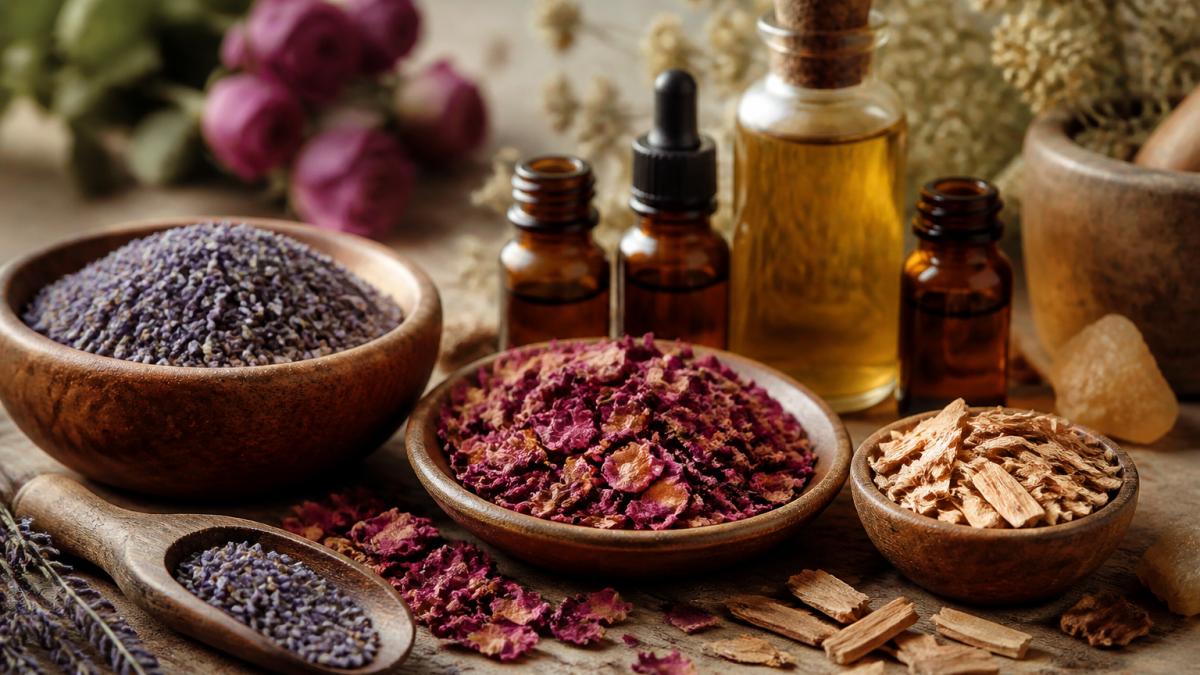
Natural perfume relies on a smaller palette of ingredients than synthetic fragrance. Perfumers work with essential oils (concentrated extracts from plants), absolutes (thick, fragrant substances from delicate flowers or resins), and carrier oils. The fragrance concentration in natural perfumes typically ranges from 8% to 15%, compared to 15% to 20% in eau de parfum.
The ingredients themselves carry distinct characteristics. Lavender essential oil smells like lavender but with nuance, green, slightly herbal, with subtle floral depth. Synthetic lavender fragrance smells like lavender too, but it's a single note rather than a complex composition.
This complexity matters for how the fragrance evolves on your skin. Natural perfumes often have more pronounced top notes (the initial scent that fades within minutes), a middle phase where the heart notes emerge, and a base that lingers. The progression feels organic because it reflects the actual composition of the plant materials.
Natural ingredients also tend to interact differently with skin chemistry. Some people find natural fragrances gentler on sensitive skin; others report the opposite.
Natural Perfume Longevity: How Long Does It Really Last?
This is where natural perfume often disappoints. Natural fragrances typically last 2 to 4 hours on skin, compared to 6 to 8 hours for synthetic eau de parfum. The reason is straightforward: synthetic fragrance molecules are engineered for persistence. They're designed to adhere to skin and clothing, resisting evaporation and body chemistry.
Natural essential oils and absolutes evaporate more readily. They're volatile compounds, that's what makes them smell so good, but it also means they don't stick around. A natural perfume with 10% fragrance concentration will fade faster than an eau de parfum with 15% concentration, all else equal.
This doesn't mean natural perfume is worthless for longevity. If you reapply mid-afternoon or keep a small bottle in your bag, the shorter wear time becomes less relevant. Some people actually prefer it, they don't want fragrance clinging to their clothes all day. But if you're comparing direct wear time, synthetic fragrance wins decisively.
The trade-off is real. You're paying more for natural ingredients that perform worse by one specific metric. Whether that's worth it depends on your priorities.
Safety, Sensitivity, and Health Considerations
A common belief is that natural perfume is automatically safer or less likely to trigger sensitivities. The reality is more complicated. Natural doesn't mean hypoallergenic or free of irritants.
Many people with fragrance sensitivity react to specific aromatic compounds, regardless of whether they're natural or synthetic. Limonene (found in citrus oils), eugenol (in clove and cinnamon), and linalool (in lavender and many flowers) are natural compounds that commonly trigger reactions.
Synthetic fragrances can also trigger sensitivity in some people, but the triggers are often different. Certain synthetic musks or aldehydes cause problems for some wearers. The key point: natural and synthetic fragrances carry different risk profiles for sensitivity, not a lower risk profile overall.
One advantage of natural perfume is transparency. Small makers like The Beekeeper's Basket typically list their ingredients clearly. You can see exactly what's in the bottle.
The "clean beauty" narrative around natural fragrance is partly marketing and partly substance. Natural ingredients aren't inherently cleaner or healthier, they're just different. What matters is knowing what you're applying to your skin and how your body responds to it.
Environmental Trade-offs: The Bigger Picture
Natural perfume marketing often emphasizes environmental benefits: no synthetic chemicals, botanical sourcing, small-batch production. But the environmental story is messier than it appears.
Growing plants for fragrance extraction requires land, water, and often pesticides. Jasmine sambac farming in India uses significant water resources. Rose cultivation for perfume production has expanded dramatically, increasing agricultural pressure in some regions. Essential oil extraction is energy-intensive.
Synthetic fragrances have their own environmental footprint. Chemical synthesis requires energy and raw materials, often petroleum-derived. Manufacturing facilities must manage emissions and waste. But synthetic fragrance production is highly efficient, small amounts of concentrated molecules go a long way.
The sustainability question isn't settled. A natural perfume from a small maker using responsibly sourced ingredients might have a lower environmental impact than mass-produced synthetic fragrance. But a large-scale natural fragrance operation could have a higher impact than a efficient synthetic production facility. Context matters enormously.
What's worth considering: Does the brand source ingredients sustainably? Do they pay farmers fairly? How do they manage waste? Are they transparent about their supply chain? These questions matter more than whether the fragrance is natural or synthetic.
Who Natural Perfume Is Worth It For
Natural perfume makes sense if you prioritize ingredient transparency, enjoy fragrance complexity, and don't mind reapplying midday. It's worth it if you have specific fragrance sensitivities and need to know exactly what you're wearing. It's worth it if you value supporting small makers who craft products thoughtfully.
Natural perfume is less compelling if longevity is your primary concern, if you're budget-conscious, or if you need fragrance that lasts through a full workday without reapplication. It's not the right choice if you have sensitivities to natural aromatic compounds, the fact that an ingredient comes from a plant doesn't make it safer for your skin.
The price premium is real. You'll pay more for natural perfume, sometimes significantly more. That expense reflects actual differences in sourcing, production, and performance. The question of whether is natural perfume worth the price isn't answered objectively, it depends on your specific needs and preferences.
How to Assess Value Before You Buy
Before committing to natural perfume, test the fragrance on your skin. Spritz it on your wrist or inner elbow and wear it for a few hours. Notice the initial scent, how it evolves, and how long it lasts.
Check the fragrance concentration if it's listed. Higher concentration (12-15%) means longer wear time and better value. Compare that concentration to the price.
Read ingredient lists carefully. If the brand lists ingredients, review them. Do you recognize most of them? Are there any known sensitivities? Transparency is a green flag for quality and trustworthiness.
Ask about sourcing. Where do the ingredients come from? How does the brand ensure quality and consistency? Small makers like The Beekeeper's Basket can usually answer these questions directly.
| Factor | Natural Perfume | Synthetic Fragrance |
|---|---|---|
| Ingredient sourcing | Plants, essential oils, absolutes | Lab-synthesized molecules |
| Longevity | 2-4 hours typically | 6-8 hours typically |
| Consistency | Batch variation common | Identical every time |
| Ingredient transparency | Usually clear | Often hidden under "fragrance" |
| Cost | Higher | Lower |
| Sensitivity risk | Different compounds trigger reactions | Different compounds trigger reactions |
| Environmental impact | Variable; depends on sourcing | Efficient production, synthetic inputs |
Consider your actual use case. Will you wear this daily or occasionally? Do you need it to last through a workday, or are you applying it for an evening out?
The honest answer to whether natural perfume is worth the price: it depends. For some people, the ingredient quality, fragrance complexity, and transparency justify the expense.
Frequently Asked Questions
Is natural perfume worth the higher price?
Natural perfume worth the investment depends on your priorities. If skin sensitivity, ingredient transparency, and scent complexity matter to you, the premium often justifies itself. Natural fragrances use botanical extracts and essential oils that require careful sourcing and extraction, driving up production costs. However, if longevity and budget are your main concerns, synthetic alternatives may deliver better value. Test a small amount first to see if the scent profile and performance align with what you're willing to spend.
How does natural perfume compare with synthetic fragrance in terms of longevity?
Natural perfume longevity typically falls short of synthetic fragrance. Synthetic fragrances use aroma compounds engineered for stability and lasting power, often lasting 6-8 hours or more on skin. Natural perfume ingredients, derived from plant-based sources, tend to fade faster, usually 3-5 hours, because essential oils and botanical extracts are more volatile. This shorter wear time means you may need to reapply more frequently.
What makes natural perfume ingredients more expensive?
Natural perfume ingredients cost more because they require careful sourcing, sustainable harvesting, and specialized extraction methods like distillation. Raw materials such as rose absolute, sandalwood, and jasmine are resource-intensive to produce and often limited in supply. Ingredient availability varies by season and climate, making consistent sourcing difficult. Small-batch producers prioritize quality, further raising production costs. Synthetic alternatives can be manufactured on demand at scale, making them cheaper to produce and price competitively.
Are natural perfumes safer or less irritating than synthetic fragrances?
Natural perfumes are not automatically safer or less irritating. While some people with sensitive skin tolerate natural fragrances better, others react to plant-derived allergens or essential oils. Synthetic fragrances can be formulated to minimize irritants and are often tested for skin compatibility. The key is ingredient transparency and patch testing. If you have sensitive skin, check the specific fragrance ingredients, whether natural or synthetic, and test on a small area first. Handcrafted, small-batch products often disclose their ingredient lists more clearly, helping you identify potential triggers.
If you're drawn to natural fragrance and value handcrafted quality, explore The Beekeeper's Basket's perfume collection. We create small-batch natural perfumes using thoughtfully sourced ingredients, designed to enhance your senses while maintaining the freshness and care you expect from artisan products. Each bottle reflects our commitment to quality and transparency. LET'S EXPLORE!