 blog
7 Best Natural Oils for Cold Process Soap
Table of Contents
- Why Natural Oils Matter in Cold Process Soap
- Understanding Soap Making Oil Properties
- The 7 Best Natural Oils for Cold Process Soap
- Olive Oil in Cold Process Soap: A Foundation Oil
- Creating Cold Process Soap Oil Blends
- Safety, Usage Rates, and IFRA Compliance
- Scent Longevity and Curing for Maximum Performance
- Frequently Asked Questions
Last Updated: October 20, 2026
Why Natural Oils Matter in Cold Process Soap
In cold-process soap, the oils you choose determine how it cleanses, how it feels on skin, how long the scent lasts, and whether customers return. They're the foundation of your bar, not just fragrance carriers.
Not all oils perform the same way. Some create a creamy lather that disappears quickly; others build a dense, long-lasting lather but feel heavy. The best natural oils for cold process soap balance lather quality, skin conditioning, and scent retention in ways synthetics cannot match.
This guide covers seven natural oils that can deliver excellent results, how to use them safely, and how to blend them.
Understanding Soap Making Oil Properties
Every oil has distinct properties that affect your final product.
Scent profile describes how an oil smells: top notes (what you smell first), middle notes (the heart), and base notes (what lingers).
Usage rate is the percentage of fragrance oil you add per pound of soap base oils. Most essential oils work best between 0.5% and 1% by weight.
Scent longevity matters more than initial strength. Some oils fade over the four-to-six-week cure; others develop complexity and depth. Knowing which stay true helps you predict what customers experience.
Skin safety requires understanding IFRA usage limits. The International Fragrance Association sets dermal limits for each essential oil to prevent sensitization or irritation. Respecting these limits protects your customers and your reputation.
The 7 Best Natural Oils for Cold Process Soap
These seven essential oils perform reliably, blend beautifully, and deliver scents customers love.
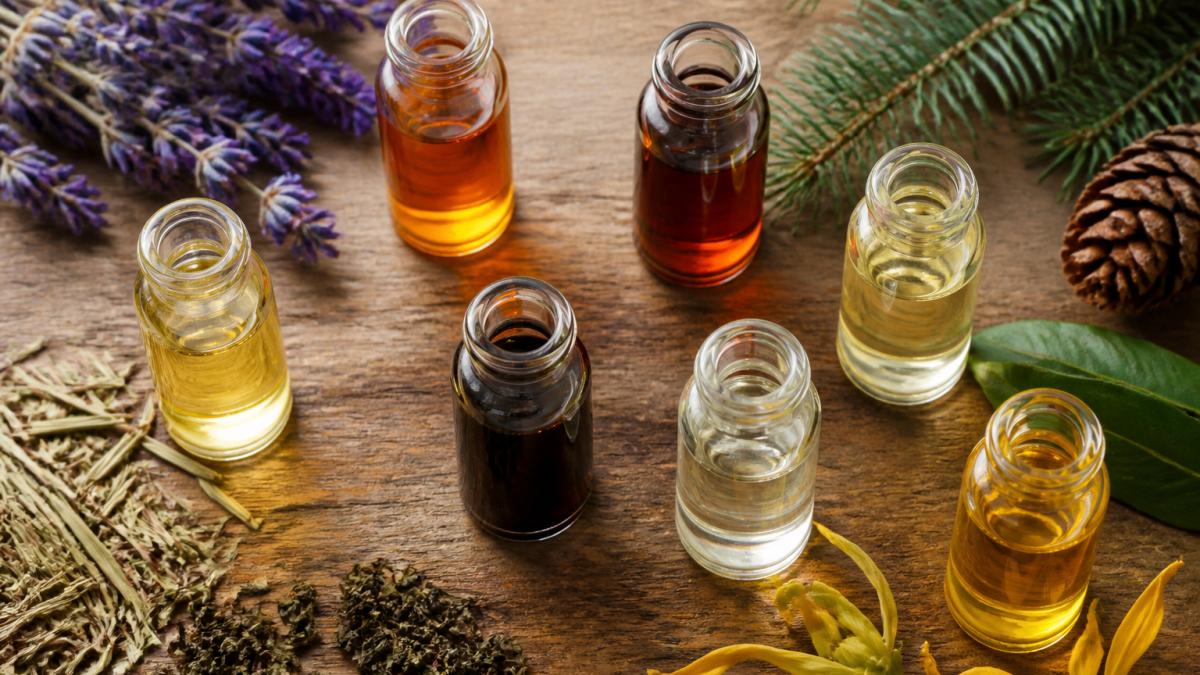
1. Lavender Oil: The Calming Classic
Lavender is the workhorse of natural soap fragrance: forgiving, versatile, and instantly recognizable. In cold-process soap it develops a clean, slightly herbaceous character that grows more sophisticated as it cures.
Lavender sits in the middle-to-base range. The initial floral impression settles into a subtle herbal undertone by week three, it doesn't fade, it transforms.
Use lavender at 0.7% to 1% per pound of oils, noticeable scent without overwhelming. It blends seamlessly with almost any other essential oil, making it an ideal anchor for complex blends, and pairs exceptionally well with citrus oils, cedarwood, and patchouli.
Lavender's safety profile is excellent; IFRA limits are generous because it's been used in skincare for centuries. Most sensitive-skin customers tolerate it well, though always recommend patch testing.
2. Sweet Orange Oil: Bright and Energizing
Sweet orange brings sunshine to cold-process soap: citrus without lemon's harshness, with a rounded, creamy warmth underneath. The challenge is preserving that freshness through curing.
Sweet orange is a firm top note, the first thing you smell and the fastest to fade.
Apply sweet orange at 0.8% to 1% per pound of oils to compensate for scent loss during curing. Blend with lavender, lemongrass, or clary sage; a touch of ginger creates an unexpectedly sophisticated profile.
Watch IFRA limits with citrus oils. Sweet orange is safe at normal usage rates but can cause photosensitivity at high skin concentrations; standard soap rates stay well within safe limits.
3. Cedarwood Oil: Woody and Grounding
Cedarwood is the anchor that holds everything together, a true base note that lingers on skin and fabric days after washing. In cold-process soap it improves during curing, developing deeper woody notes and subtle spice.
Cedarwood's warm, dry-wood character balances brighter oils. Use 0.5% to 0.8% per pound, it's potent and long-lasting, and too much smells medicinal rather than luxurious.
Cedarwood blends beautifully with lavender, sweet orange, lemongrass, and geranium. It suits masculine-leaning and unisex bars alike, and the wood notes become more pronounced after two weeks of curing.
Cedarwood's safety profile is solid, a traditional skincare and perfumery ingredient with reasonable IFRA limits. Skin sensitivity is rare at soap usage rates.
4. Lemongrass Oil: Fresh and Herbaceous
Lemongrass delivers fresh, green energy without lemon's sharp bite. It's herbaceous rather than purely citrus, with subtle spice undertones that develop beautifully in cold-process soap.
Lemongrass splits between top and middle notes: the initial citrus fades to reveal herbal, almost grassy undertones, giving customers a scent journey as the bar cures and is used.
Use lemongrass at 0.7% to 1% per pound of oils. It blends exceptionally well with lavender, cedarwood, and tea tree; lemongrass plus lavender makes a fresh, herbaceous bar for customers seeking clean, natural scents.
Lemongrass is generally safe at soap usage rates, though IFRA limits exist for direct skin application. In cold-process soap the oil is diluted and saponified, so margins are generous, but always verify current IFRA guidelines before formulating.
5. Patchouli Oil: Earthy and Rich
Patchouli is polarizing, people either love it or avoid it. For the "love it" camp, it's a revelation in cold-process soap: deep, earthy, slightly sweet, with an almost chocolate-like undertone that emerges during curing.
Patchouli is a true base note that lasts weeks on skin and fabric, and it improves with age: a bar that smells strong and slightly harsh at week two becomes rounded and sophisticated by week six.
Use patchouli at 0.5% to 0.7% per pound, less is more, as it's potent and easily overwhelms.
Patchouli's safety profile is excellent, centuries of use in traditional medicine and perfumery, generous IFRA limits, and rare skin sensitivity at soap usage rates.
6. Tea Tree Oil: Clarifying and Fresh
Tea tree brings clinical freshness to cold-process soap: sharp, clean, slightly medicinal, appealing to customers seeking functional soaps for problem skin. Its intensity mellows during curing, becoming less harsh and more balanced.
Tea tree sits in the top-to-middle range: initial sharpness fades to subtle herbal, almost camphor-like undertones. A bar that smells too strong at week one is beautifully balanced by week three.
Use tea tree at 0.5% to 0.8% per pound, it's potent, and too much smells like a hospital. Blend with lavender, lemongrass, or geranium; tea tree-lavender is popular with customers seeking clarifying properties.
Tea tree requires careful attention to IFRA limits; its acceptable rate for direct skin application is lower than many oils.
7. Ylang Ylang Oil: Floral and Luxurious
Ylang ylang is the luxury choice: intensely floral, slightly sweet, with subtle spice undertones. In cold-process soap it creates an elegant, sophisticated scent that feels premium.
Ylang ylang spans middle to base notes. The initial floral impression is strong and almost creamy; as the soap cures, it becomes more refined, developing subtle spice and vanilla-like warmth.
Use ylang ylang at 0.5% to 0.7% per pound, it's potent and easily dominates. Use it sparingly with lavender, geranium, or cedarwood; a small amount transforms a simple lavender bar into something luxurious.
Ylang ylang's safety profile is good, though IFRA limits exist for direct skin application. Sensitivity is uncommon at soap usage rates, but as with all essential oils, recommend patch testing for sensitive-skin customers.
Olive Oil in Cold Process Soap: A Foundation Oil
Before discussing blends, understand the difference between essential oils and base oils like olive oil, a distinction that matters in cold-process soap making.
Base oils (like olive oil) are the structural foundation, making up 70-90% of your recipe. Olive oil contributes creamy lather, skin conditioning, and longevity, it's the vehicle that carries everything else.
Essential oils are concentrated plant extracts used for scent and sometimes functional properties, making up only 0.5-1% of your recipe by weight.
Olive oil creates a gentle, conditioning bar, particularly valuable for sensitive skin.
At The Beekeeper's Basket, we use olive oil as part of a balanced base blend, the skin-conditioning anchor. With the right essential oil blend, it can become genuinely luxurious.
Creating Cold Process Soap Oil Blends
The magic of cold-process soap happens in the blending. A single essential oil is pleasant. The right combination is unforgettable.
Start with a base note anchor, cedarwood or patchouli work beautifully at 0.3-0.4% per pound. This foundation lasts through curing and beyond.
Add a middle note at 0.3-0.4% per pound: lavender is reliable, but geranium, clary sage, or rose work equally well. This layer provides the heart of your scent.
Finish with a top note at 0.2-0.3% per pound: sweet orange, lemongrass, or tea tree add brightness. It's what customers smell first and what fades first.
Here are three proven blends for cold-process soap:
- Classic Lavender-Cedarwood: 0.5% lavender, 0.4% cedarwood. Simple, timeless, appeals to everyone.
- Citrus-Herbal: 0.4% sweet orange, 0.3% lemongrass, 0.3% lavender. Bright and uplifting.
- Earthy Luxury: 0.3% patchouli, 0.3% lavender, 0.2% ylang ylang. Complex and sophisticated.
Test blends in small batches before full production, curing takes weeks, so early testing saves time and materials.
| Blend Name | Base Note | Middle Note | Top Note | Best For |
|---|---|---|---|---|
| Classic Lavender-Cedarwood | 0.4% cedarwood | 0.5% lavender | , | All skin types, mass appeal |
| Citrus-Herbal | 0.3% cedarwood | 0.3% lavender | 0.4% sweet orange, lemongrass | Energizing, fresh preference |
| Earthy Luxury | 0.3% patchouli | 0.3% lavender | 0.2% ylang ylang | Premium positioning, niche market |
Safety, Usage Rates, and IFRA Compliance
Essential oil safety in cold-process soap is serious business. You're responsible for ensuring your products don't harm customers.
IFRA (International Fragrance Association) limits set maximum concentrations for each essential oil, because oils can cause sensitization or irritation at high doses.
Most essential oils in cold-process soap stay between 0.5% and 1% by weight, effective for scent and safe for skin.
Keep records of every batch: which oils, what percentage, and how the scent evolved during curing. This protects you if a customer reports a reaction and helps refine formulations.
Some customers have fragrance sensitivity. Always recommend patch testing on a small area before using any new soap, and include this guidance on labels and product descriptions. Transparency builds trust.
Scent Longevity and Curing for Maximum Performance
Curing intensifies and refines essential oil scents.
Cold-process soap cures for four to six weeks: moisture evaporates, the soap hardens, and chemical reactions continue.
Lavender, cedarwood, and patchouli improve during curing, becoming more refined and complex.
Stack curing bars in a cool, dry location with good air circulation, away from direct sunlight that fades scents and degrades oils.
After curing, store finished soap in a cool location away from heat and light.
Creating exceptional cold-process soap starts with understanding natural oils and how they perform.
At The Beekeeper's Basket, we believe natural oils deserve respect and precision, they're the heart of what makes handcrafted soap special.
Ready to explore how natural oils transform your cold-process soap?
Frequently Asked Questions
What is the difference between essential oils and base oils for cold process soap?
Essential oils are concentrated plant extracts used primarily for fragrance and therapeutic properties; they're measured in small amounts (typically 0.5-1% of oil weight). Base oils like olive, coconut, and palm are the structural foundation of soap and make up the bulk of the recipe. Cold process soap requires both: base oils create the bar, while essential oils add scent and character. Never substitute one for the other.
Can you use olive oil in cold process soap?
Yes. Olive oil is an excellent base oil for cold process soap, typically used at 10-40% of total oil weight. It produces a mild, creamy bar with good lather and is skin-safe for sensitive skin. Olive oil creates a softer bar than coconut or palm, so soapmakers often blend it with harder oils to improve bar longevity. Many artisan soapmakers favor it for its gentle properties.
What usage rate should I follow for essential oils in cold process soap?
Most soapmakers use 0.5-1% essential oil by weight of total oils. For a 5-pound batch, that's roughly 0.4-0.8 ounces. Always check IFRA (International Fragrance Association) usage limits for each oil; some oils like cinnamon bark and clove have lower safe limits (1-2%) due to skin sensitivity. Never exceed IFRA limits, as this risks dermal irritation. Weigh oils precisely for consistency across batches.
How long do essential oil scents last in cold process soap after curing?
Scent retention depends on the oil and cure time. Top notes (citrus, lemongrass) fade faster over 4-8 weeks; base notes (cedarwood, patchouli) persist for months. A full 4-6 week cure allows the soap to harden and scent to develop fully. Some oils, especially folded citrus blends, hold better than single bright oils. Proper storage in a cool, dry place extends scent longevity significantly.