 blog
10 Best Honey-Infused Skincare Products for Glowing Skin
Last Updated: October 23, 2026
Quick Summary
Honey infused skincare delivers hydration, soothing relief, and visible results because honey is a natural humectant that draws moisture into skin while its antibacterial and anti-inflammatory properties calm redness and support healing. Raw honey excels at general hydration, manuka honey targets acne-prone skin, and propolis strengthens the skin barrier.
- Apply honey face masks to slightly damp skin for 10-15 minutes, then follow with moisturizer while skin is still wet to lock in hydration.
- Manuka honey products with UMF 15+ rating deliver noticeable anti-inflammatory results and work best for acne, post-breakout redness, and inflamed patches.
- Choose honey skincare with honey in the first five ingredients, complementary actives matching your skin concern, and production dates within recent months.
- Use honey face masks 1-2 times weekly for general hydration, 2-3 times weekly for acne-prone skin, and once weekly for sensitive or dry skin.
- Patch test any new honey-infused product on your inner arm or behind your ear for 24 hours before applying to your full face.
Table of Contents
- Why Honey-Infused Skincare Delivers Glowing Results
- How to Use Honey Face Masks for Maximum Glow
- Best Honey Face Masks for Glowing Skin
- Manuka Honey Skincare Products Worth Your Investment
- Honey-Infused Products for Sensitive and Dry Skin
- What to Look for in Quality Honey Skincare
- Frequently Asked Questions
Why Honey-Infused Skincare Delivers Glowing Results
Honey infused skincare has become a cornerstone of natural beauty routines because it addresses what most people actually need: hydration that lasts, soothing relief for irritated skin, and visible results without harsh chemicals. The reason honey works so well is simple: it's a natural humectant that draws moisture into the skin while its antibacterial and anti-inflammatory properties work to calm redness and support healing.
At The Beekeeper's Basket, we craft honey-based products that nourish skin when chosen thoughtfully. Raw honey, manuka honey, propolis, and beeswax each bring different strengths to skincare formulations. Raw honey excels at general hydration and soothing. Manuka honey offers more concentrated antibacterial benefits, making it ideal for acne-prone skin. Propolis acts as a powerful antioxidant that supports the skin barrier. Beeswax creates a protective seal that locks in moisture without clogging pores.
The key to getting results is understanding which type of honey infused skincare product fits your specific concern. A sleeping facial works differently than a daily cleanser. A targeted spot treatment for blemishes operates on different principles than a moisturizer for sensitive skin. This guide walks you through the best honey-infused skincare products available, explains what makes each one worth your investment, and shows you how to use them for maximum glow.
How to Use Honey Face Masks for Maximum Glow
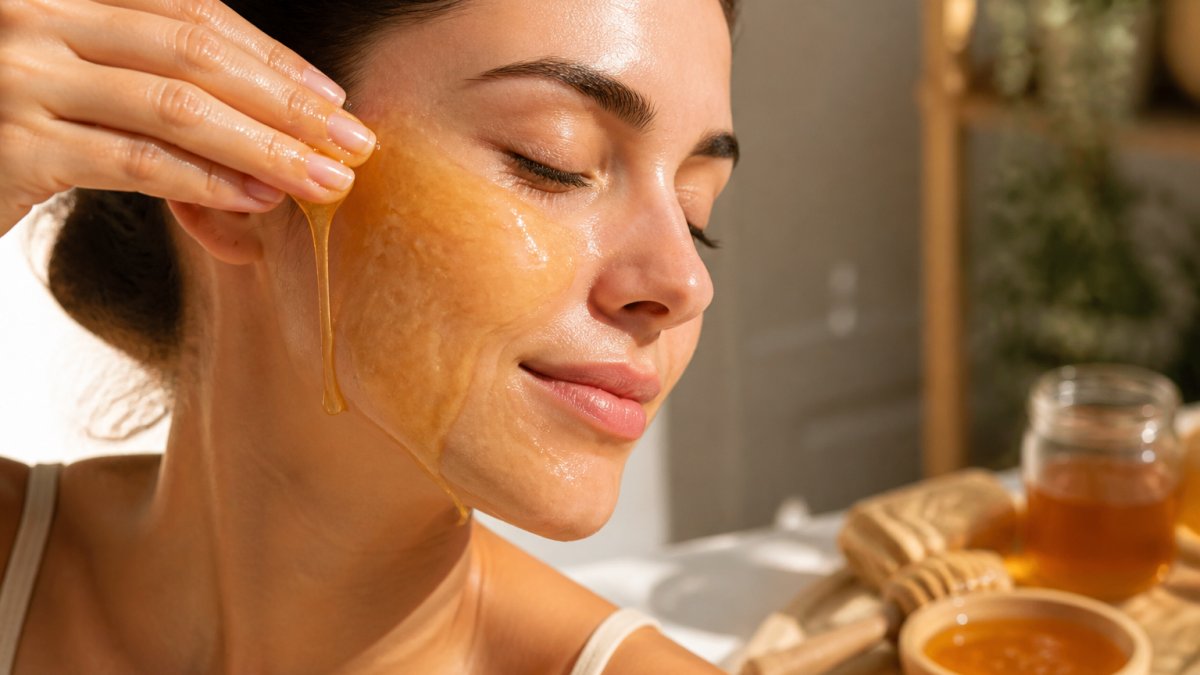
Honey face masks deliver the fastest visible results when you use them strategically. The ideal approach is a two-step process: cleanse first, then apply the mask to clean, slightly damp skin. Damp skin helps the mask penetrate more effectively because moisture enhances the humectant properties of honey.
Leave the mask on for 10-15 minutes. This timeframe is long enough for honey to draw moisture into deeper skin layers without over-drying the surface. After rinsing with lukewarm water, pat skin dry gently and apply your regular moisturizer while skin is still slightly damp. This locks in the hydration the mask provided.
Frequency matters more than most people realize. Use a honey face mask 1-2 times per week for general hydration and glow. If you have acne-prone skin, a manuka honey mask can be used 2-3 times weekly. If your skin is sensitive or dry, stick to once weekly to avoid over-treating. The goal is consistency, not intensity.
A common mistake is applying honey masks to completely dry skin or leaving them on too long. Overly dry skin can't absorb the benefits effectively, and masks left on beyond 20 minutes can actually start to draw moisture out of your skin instead of adding it. Another pitfall is skipping the moisturizer step afterward. The mask preps your skin, but you need to seal in that hydration with a follow-up product.
How to Start a Natural Skincare Routine(page:3) covers building a complete regimen around your honey masks, so you're not just treating your skin sporadically.
Best Honey Face Masks for Glowing Skin
The best honey face masks balance pure honey content with complementary ingredients that amplify specific benefits. Look for products that list honey as one of the first three ingredients and avoid formulas heavy in silicones or synthetic fragrances, which can interfere with honey's natural properties.
The Beekeeper's Basket Honey & Propolis Renewal Mask stands out as our top pick for most skin types. It combines raw honey with propolis and a touch of beeswax to create a mask that hydrates while strengthening the skin barrier.
For acne-prone skin specifically, a manuka honey mask delivers faster blemish control. Manuka honey has a higher concentration of methylglyoxal, a compound with strong antibacterial properties. Products featuring UMF-rated manuka honey (UMF 10+ minimum, UMF 15+ for serious acne concerns) provide measurable anti-inflammatory benefits.
For sensitive skin, look for masks that combine honey with soothing ingredients like chamomile, aloe, or oat extract. These additions calm irritation without adding fragrance or harsh actives. Apply these masks once weekly to avoid over-treating delicate skin.
For dry skin, prioritize masks with honey plus glycerin or hyaluronic acid. These humectants work together to draw and retain moisture.
Manuka Honey Skincare Products Worth Your Investment
Manuka honey commands higher prices than raw honey because it's more potent and comes from a specific region. Not all manuka honey is equal. The UMF (Unique Manuka Factor) rating tells you the antibacterial strength. UMF 10+ is entry-level for skincare benefits. UMF 15+ delivers noticeable anti-inflammatory results. UMF 20+ is premium-grade and typically reserved for intensive treatments.
For skincare, you don't need the highest UMF rating. UMF 15+ manuka honey in a well-formulated product will outperform raw honey for blemish control and redness reduction. The sweet spot for value is UMF 15-20 products that also include complementary ingredients like propolis or tea tree oil.
Manuka honey skincare products excel at three specific concerns: active acne, post-breakout redness, and inflamed eczema patches. If your concern is general hydration or sensitivity without active inflammation, raw honey products deliver equivalent results at lower cost. Reserve manuka honey for targeted, problem-specific use.
When shopping for manuka honey products, verify the UMF rating is clearly stated on the label. Vague claims like "New Zealand honey" or "premium manuka" don't guarantee potency. The UMF number is the only reliable indicator of antibacterial strength. Products without a UMF rating are likely raw honey or low-grade manuka, regardless of marketing language.
Honey-Infused Products for Sensitive and Dry Skin
Sensitive skin needs honey-infused products that soothe without triggering reactions. The challenge is that "natural" doesn't automatically mean safe for reactive skin. Some essential oils and botanical extracts can irritate sensitive skin despite their natural origin.
The safest approach is to start with simple formulas: honey plus one or two complementary ingredients. A cleanser with honey and a mild surfactant works better than a honey cleanser packed with five different plant extracts. A moisturizer with honey and ceramics supports the skin barrier without overwhelming it.
For dry skin, honey-infused products work best as part of a layering system. Apply a hydrating cleanser with honey, follow with a hydrating toner or essence, then seal with a honey-infused moisturizer or facial oil. This three-step approach delivers more dramatic hydration than any single product can provide.
Does Niacinamide Work for Sensitive Skin?(page:1) explores how other active ingredients interact with sensitive skin, which helps you evaluate whether adding additional actives to your honey-based routine makes sense for your specific skin type.
Overnight treatments, masks or serums you apply before bed, are particularly effective for dry skin because they work while you sleep. Honey's humectant properties have hours to draw moisture into your skin without interference from environmental factors like sun, wind, or air conditioning.
A patch test is non-negotiable for sensitive skin. Apply a small amount of any new honey-infused product to your inner arm or behind your ear. Wait 24 hours. If no redness, itching, or irritation develops, it's safe to use on your face.
What to Look for in Quality Honey Skincare
Quality honey skincare starts with ingredient transparency. The product label should clearly state the type of honey used (raw, manuka, etc.) and its position in the ingredient list.
Beyond honey itself, look at what else is in the formula. Complementary ingredients amplify honey's benefits. Glycerin and hyaluronic acid enhance hydration. Propolis strengthens antioxidant protection. Beeswax creates a protective barrier.
Avoid products with synthetic fragrances if you have sensitive skin. Natural fragrance from essential oils is preferable, but even these can trigger reactions in reactive skin.
Small-batch production indicates freshness. Honey products made in small batches and sold quickly retain more of honey's active properties than mass-produced formulas sitting in warehouses for months.
Check the expiration date. Honey itself doesn't spoil, but the other ingredients in a formulation have shelf lives.
How Long Does Natural Skincare Take to Work?(page:2) explains realistic timelines for when you should expect to see results from honey-infused products, so you can evaluate whether a product is working or needs adjustment.
Starting a honey-infused skincare routine addresses one of the most common skin complaints: dehydration masked as sensitivity. Honey hydrates without stripping, soothes without stinging, and delivers visible results within 2-3 weeks of consistent use.
| Product Type | Best For | Key Ingredient | Frequency |
|---|---|---|---|
| Honey Cleanser | Daily cleansing | Raw honey + mild surfactant | Daily, AM & PM |
| Honey Face Mask | Hydration & glow | Raw or manuka honey | 1-2x weekly |
| Manuka Honey Treatment | Acne & redness | UMF 15+ manuka honey | 2-3x weekly |
| Honey Moisturizer | Barrier support | Honey + ceramics | Daily |
| Propolis Serum | Antioxidant protection | Propolis + honey | Daily |
| Overnight Facial | Intensive hydration | Honey + beeswax | 2-3x weekly |
According to dermatological research on honey's skin benefits, honey's humectant and antimicrobial properties are well-documented in peer-reviewed studies, making it one of the few traditional skincare ingredients with strong scientific support.
The American Academy of Dermatology recognizes honey as an effective ingredient for wound healing and skin hydration, particularly in formulations designed for sensitive skin.
For guidance on patch testing and identifying potential allergic reactions, the FDA's guidance on cosmetic safety provides clear standards for how skincare products should be evaluated before use.
Frequently Asked Questions
What kind of honey is best for your skin?
Raw honey retains more enzymes and nutrients than processed varieties, supporting skin hydration and repair. For general skincare benefits like moisturizing and soothing irritation, raw honey works well. Manuka honey is often chosen for its concentrated antibacterial properties.
How often should you use a honey face mask?
For most skin types, use a honey face mask 1-2 times per week. Sensitive skin may benefit from once weekly application to avoid over-moisturizing or irritation. Overnight honey treatments can be used 2-3 times per week. Start with once weekly and observe how your skin responds before increasing frequency. Consistency matters more than intensity; regular use over several weeks shows better results than occasional heavy applications.
Are honey skincare products suitable for sensitive skin?
Yes, honey is naturally gentle and soothing, making honey-infused skincare an excellent choice for sensitive skin. Its anti-inflammatory properties calm redness and irritation without harsh chemicals. However, always patch test first on a small area of skin 24 hours before full application, as some individuals may react to specific honey varieties or additional ingredients. Small-batch products with minimal additives tend to be gentler than mass-produced alternatives.
Can honey-infused skincare help dry skin feel more hydrated?
Absolutely. Honey is a natural humectant, meaning it draws moisture from the air into your skin and helps lock it in. Honey-infused moisturizers, creams, and overnight masks are particularly effective for dry skin because they provide both hydration and a protective barrier. Combined with beeswax or propolis, honey products enhance moisture retention even longer. For maximum hydration, apply honey skincare to damp skin to seal in water.