 listicle
6 Best Natural Moisturizers for Dry Skin in 2026
Table of Contents
- Why Natural Moisturizers Win for Dry Skin
- How We Chose These Natural Moisturizers
- The 6 Best Natural Moisturizers for Dry Skin
- Key Ingredients: The Benefits of Beeswax for Skin
- How to Treat Dry Skin Naturally: A Simple Routine
- Building Your Natural Skincare Routine for Dry Skin
- What to Avoid and How to Patch Test
- Conclusion
- Frequently Asked Questions
Last Updated: September 9, 2026
Dry skin signals a struggling skin barrier. Not all hydration is created equal, which is why natural moisturizers for dry skin have moved from niche preference to mainstream necessity. At The Beekeeper’s Basket, we craft small-batch, bee-inspired products in New England.
Below, we break down the six best natural moisturizers for dry skin, explain what makes ingredients like beeswax so effective, and give a routine for lasting relief.
Why Natural Moisturizers Win for Dry Skin
Natural moisturizers work with your skin's biology instead of against it. Synthetic formulas rely on heavy silicones that sit on the surface, while natural ingredients penetrate the stratum corneum to support the skin barrier.
The science comes down to transepidermal water loss, or TEWL. When your skin barrier is compromised, water evaporates too quickly, leaving skin feeling tight and looking dull. Natural humectants draw water into the outer layers, while emollients and occlusives lock it in. Research from the National Institutes of Health on skin barrier function confirms that formulations supporting lipid replenishment reduce TEWL more effectively over time than simple surface sealants.
How We Chose These Natural Moisturizers
We selected these products based on five criteria: ingredient transparency, absence of synthetic fragrances and sulfates, proven humectant or emollient content, suitability for sensitive skin, and honest value per ounce.
We excluded formulas relying on mineral oil as a primary ingredient, since it offers no nutritional benefit. We prioritized pH-balanced, non-comedogenic products that hydrate without clogging pores.
| Selection Criteria | What We Looked For | Why It Matters |
|---|---|---|
| Ingredient base | Cold-pressed oils, shea butter, beeswax | Provides essential fatty acids and vitamins |
| Barrier support | Pro-ceramides, niacinamide, oatmeal | Repairs and soothes compromised skin |
| Sensitive-skin safety | Fragrance-free or naturally scented | Reduces risk of irritation and contact dermatitis |
| Texture | Balm, butter, gel, or lightweight cream | Matches different climates and routines |
| Value | Concentration of actives per ounce | Ensures the product actually performs at its price |
The 6 Best Natural Moisturizers for Dry Skin
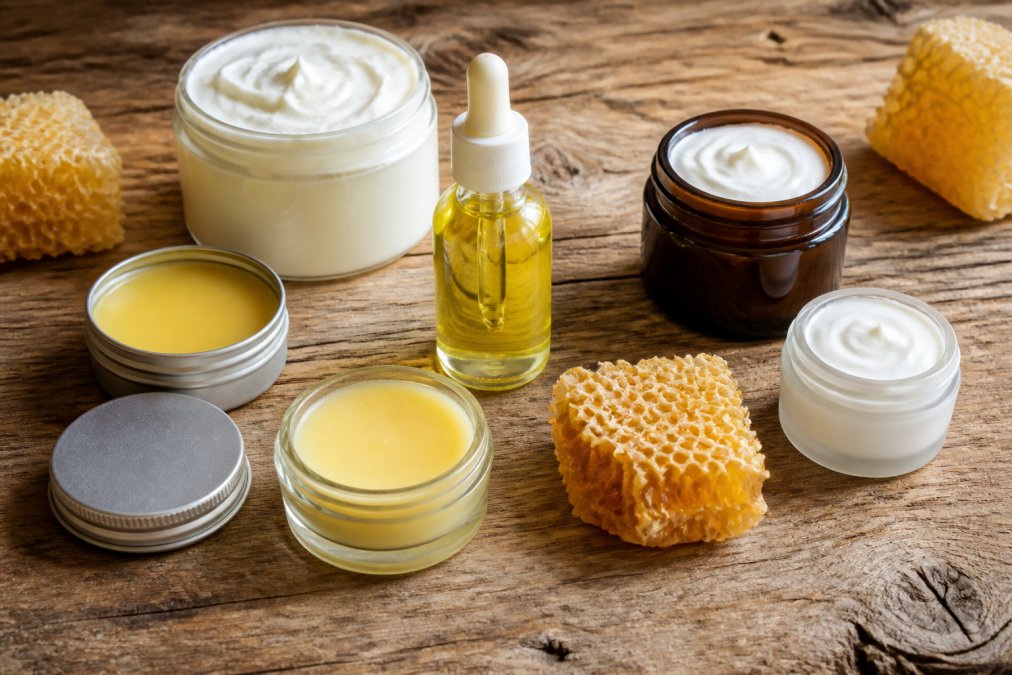
These six natural moisturizers for dry skin span textures from rich whipped butters to lightweight gels, each earning its place for a specific skin need.
1. The Beekeeper’s Basket Whipped Honey Body Butter
The Beekeeper’s Basket Whipped Honey Body Butter is crafted with ingredients that mirror the skin's own chemistry. Handcrafted in small batches in New England, it combines raw honey with shea butter and beeswax to create a barrier that lasts through the day.
The texture is light and airy, melting on contact rather than sitting greasy. With over 20,000 sales and a 5-star rating, it is a product our customers appreciate for stubborn dry patches on elbows, knees, and hands.
2. A Cold-Pressed Botanical Face Oil
For the face, a cold-pressed botanical oil delivers concentrated essential fatty acids that creams often lack. Cold pressing preserves antioxidants and vitamins that heat extraction destroys.
Look for a blend featuring jojoba, which mimics human sebum, and rosehip, rich in vitamin A. Apply three to four drops to damp skin after cleansing. This works best for dry skin with dullness, since antioxidants help brighten over time.
3. A Shea and Calendula Deep Repair Balm
When skin is cracked or severely compromised, a balm is the most intensive option. Shea butter provides intense lipid replenishment, while calendula helps calm inflammation. This combination is a common natural approach for repairing the skin barrier overnight.
Use this balm as a targeted treatment on heels, cuticles, or painfully tight areas. A pea-sized amount goes further than expected, justifying the higher cost per ounce.
4. An Oatmeal and Colloidal Moisturizer
Colloidal oatmeal is one of the few natural ingredients with clinical backing for soothing irritated skin. The FDA monograph on skin protectant drug products recognizes colloidal oatmeal as an effective skin protectant, making it a reliable choice for sensitive, reactive dry skin.
This type is ideal for those who experience itching along with dryness. The oatmeal forms a protective film while reducing inflammation, and it suits those who find oils too heavy but still need substantial hydration.
5. A Fragrance-Free Ceramide Cream
Ceramides are the mortar between skin cells, depleting as we age. A fragrance-free ceramide cream supplies pro-ceramides that rebuild this structure, addressing the root cause of dryness rather than just symptoms.
This pick is best for those who have reacted poorly to "natural" products, often due to essential oils. A truly fragrance-free formula, no added scent of any kind, is the safest way to repair a compromised barrier without triggering sensitivity.
6. A Lightweight Aloe and Hyaluronic Gel
Not all dry skin needs heavy creams. For combination skin or humid climates, a gel with aloe and hyaluronic acid provides deep hydration without congestion. Hyaluronic acid is a powerful natural humectant that holds up to 1,000 times its weight in water.
Apply this gel to damp skin and follow with a few drops of facial oil to lock in hydration. This two-step approach delivers both humectant and emollient benefits without the heavy feel of a traditional cream.
Key Ingredients: The Benefits of Beeswax for Skin
Beeswax is the unsung hero of natural skincare. As an occlusive agent, it forms a breathable, water-repellent barrier that locks in moisture while allowing the skin to breathe.
Unlike synthetic occlusives like petrolatum, beeswax is rich in vitamin A, which supports cell turnover and helps improve skin elasticity. It also has natural anti-inflammatory properties, making it suitable for sensitive and compromised skin. The National Center for Biotechnology Information on beeswax properties highlights its use in dermatological preparations for wound healing and dermatitis.
How to Treat Dry Skin Naturally: A Simple Routine
Learning how to treat dry skin naturally starts with understanding your skin's acid mantle, a thin, slightly acidic film, your first line of defense against moisture loss. Disrupt it with harsh cleansers or steaming-hot water, and TEWL spikes.
Step 1: Rethink Your Shower
Most dermatologists recommend lukewarm showers under 10 minutes. Hot water strips the stratum corneum of its lipid matrix. When you step out, pat gently with a cotton towel, leaving skin slightly damp, that residual water carries humectants into deeper layers.
Step 2: Apply in the 3-Minute Window
The 3-minute rule is grounded in how occlusives work. Within three minutes of patting dry, your skin holds enough surface water for humectants to bind to. Wait longer, and that water evaporates.
Step 3: Layer by Molecular Weight
A common mistake is applying a heavy balm first, which blocks lighter ingredients from penetrating. The correct sequence is:
- Water-based humectants first (aloe gel, glycerin toner, hyaluronic acid serum)
- Oils and emollients second (jojoba, squalane, rosehip oil)
- Occlusive sealants last (beeswax balm, shea butter)
This layering strategy, sometimes called the "sandwich method," ensures each ingredient reaches the layer where it can do the most work. A humectant applied over a balm never penetrates; it just sits on the surface and evaporates.
Step 4: Adjust for Your Environment
Relative humidity dramatically changes how your skin behaves. In winter, when indoor heating drops humidity below 30%, you need heavier occlusives like beeswax or lanolin to block moisture escape. In humid summer months, a lightweight gel with aloe and hyaluronic acid is often sufficient, since ambient water helps keep the stratum corneum hydrated.
Step 5: Don't Forget the Acid Mantle
The acid mantle sits at a pH of roughly 4.5 to 5.5. Many conventional cleansers push skin pH above 6, disabling enzymes responsible for natural desquamation, the shedding of dead skin cells. When those enzymes stop, dead cells accumulate, making skin dull and rough. A cream or oil-based cleanser that respects this pH range is non-negotiable for treating dry skin naturally.
Follow these steps consistently, and many people experience improvement. The key is consistency: natural moisturizers support your skin's own repair cycle, which takes time to rebuild depleted lipid stores.
Building Your Natural Skincare Routine for Dry Skin
A complete natural skincare routine for dry skin has four steps: cleanse, tone, moisturize, and protect. For cleansing, choose a cream or oil-based cleanser that dissolves dirt without stripping the acid mantle.
Morning and evening routines differ. In the morning, use a lightweight moisturizer with antioxidants under sunscreen. At night, when skin repairs itself, switch to richer products like a balm or oil. Seasonal adjustments are essential: heavier occlusives in winter, lighter gels in summer.
What to Avoid and How to Patch Test
Even natural products can cause reactions, so knowing what to avoid is as important as knowing what to look for. Steer clear of synthetic fragrance, sulfates, parabens, and drying alcohols like denatured alcohol, which undermine the skin barrier.
But here is what most guides skip: natural ingredients are not automatically safe for everyone. Some of the most potent botanicals, essential oils like lavender, eucalyptus, and citrus, are among the most common contact allergens. Natural products require the same, if not more, caution as conventional ones.
The 5-Day Patch Test Protocol
A standard 24-hour patch test is a good start, but it is not enough for natural oils and butters. Here is a more rigorous protocol for sensitive or reactive skin:
Day 1-2: The Initial Contact Test Apply a pea-sized amount to a 1-inch area on your inner forearm, just below the elbow crease. Do not wash it off for at least 12 hours. If you experience redness, itching, burning, or raised bumps, wash the area immediately and discontinue use.
Day 3-4: The Repeated Exposure Test If Day 1-2 passes without reaction, apply the product to the same spot twice daily for two consecutive days. Some allergic reactions are cumulative, appearing only after repeated exposure, particularly true for essential oils, where sensitization can develop over time.
Day 5: The Facial Spot Test If the forearm tests are clear, apply a small amount to a 1-inch area along your jawline, near the ear. Facial skin is thinner and more permeable than your forearm, so it can react differently. Leave it for 24 hours.
Only after passing all three phases should you apply the product to your full face or body.
Why Natural Ingredients Need Extra Caution
Natural oils vary by harvest season, geographic origin, and extraction method. A bottle of jojoba oil purchased in June may differ slightly from one purchased in December. Re-test whenever you open a new jar or bottle, especially with raw, unfiltered products.
Ingredients to Approach with Caution
| Ingredient | Why It Can Be Problematic | Safer Alternative |
|---|---|---|
| Essential oils (lavender, eucalyptus, peppermint) | High rates of contact sensitization | Fragrance-free botanical extracts |
| Citrus oils (lemon, bergamot) | Phototoxic, can cause burns in sunlight | Rosehip or sea buckthorn oil |
| Coconut oil (on face) | Highly comedogenic for some skin types | Jojoba or squalane |
| Lanolin | Allergen for up to 5% of people with sensitive skin | Plant-based butters like shea or cocoa |
| Beeswax (rare) | Can cause reactions in people allergic to propolis | Candelilla wax (vegan alternative) |
When to See a Dermatologist
Patch testing at home is useful, but it has limits. If you experience persistent redness, flaking that does not improve after two weeks, or signs of infection like oozing or crusting, see a board-certified dermatologist. They can perform formal patch testing and prescribe barrier-repair treatments.
Conclusion
Dry skin is solvable when you stop chasing quick fixes and start supporting your skin barrier with the right ingredients. The six natural moisturizers for dry skin above cover every texture and need, each addressing dryness at its root cause.
Frequently Asked Questions
What is the best all natural moisturizer for dry skin?
The best natural moisturizer for dry skin is one that combines humectants (like honey or aloe) to draw in water, emollients (like shea butter) to smooth the skin, and occlusives (like beeswax) to lock in moisture. For very dry skin, look for a rich balm or butter formulation. Products featuring cold-pressed oils and botanical extracts tend to offer the most effective relief without synthetic additives.
Are natural moisturizers as effective as synthetic ones?
Yes, natural moisturizers can be just as effective as synthetic ones for treating dry skin. The key is the formulation. Natural ingredients like beeswax, shea butter, and plant-based lipids directly support skin barrier repair and reduce transepidermal water loss. Many people find them gentler and more soothing, especially if they have sensitive skin or react to synthetic fragrance.
Which ingredients should I look for in a natural moisturizer for dry skin?
Look for humectants such as honey and aloe vera, emollients like shea butter and jojoba oil, and occlusives such as beeswax to seal in hydration. Ingredients rich in essential fatty acids and antioxidants, like cold-pressed oils, are excellent for skin elasticity and dermal hydration. Ensure the product is free of synthetic fragrance and sulfates to avoid irritation.
What are the benefits of beeswax in natural moisturizers?
Beeswax acts as a powerful occlusive agent. It forms a breathable, protective layer on the skin's surface that locks in moisture and shields against environmental irritants. This helps reduce transepidermal water loss and supports skin barrier repair. Rich in vitamin A, beeswax also offers soothing properties that help calm flakiness and tightness without clogging pores.
The Beekeeper’s Basket has spent years perfecting small-batch, bee-inspired formulations that nourish even the most sensitive skin. Our Whipped Honey Body Butter combines raw honey, shea, and beeswax for deep, lasting hydration, and every product is handcrafted in New England with over 20,000 sales behind it. Get started with The Beekeeper’s Basket and give your skin the natural nourishment it has been missing.