 blog
7 Hypoallergenic Perfumes for Daily Use That Stay Gentle
Quick Summary
A hypoallergenic perfume is a fragrance marketed to cause fewer allergic reactions than standard scents. The term is not regulated in the United States, so the label is a starting point rather than a guarantee. Read the ingredient list, patch test first, and choose a light, well-documented scent for daily wear.
- Hypoallergenic" is not a regulated term in the United States and the FDA does not certify it.
- Fragrance is one of the most common triggers of skin irritation in cosmetic products.
- A lighter eau de toilette is generally gentler than a heavy parfum.
- Patch test a new fragrance on your forearm or behind your ear and wait 24 to 48 hours.
- Introduce one new fragrance at a time so you can identify any reaction.
Table of Contents
- Hypoallergenic Perfumes for Daily Use: 7 Gentle Picks That Stay Gentle
- What Hypoallergenic Perfume Really Means
- Why Fragrance Causes Reactions in Sensitive Skin
- Natural Perfume vs Synthetic Fragrance: What Changes for Sensitive Skin
- How to Choose Perfumes for Sensitive Skin
- Comparing Hypoallergenic Perfumes for Daily Wear
- How to Patch Test a New Fragrance Before Daily Use
- Your Next Step: Find a Gentle Daily Scent at The Beekeeper's Basket
- Frequently Asked Questions
Hypoallergenic Perfumes for Daily Use: 7 Gentle Picks That Stay Gentle
Last Updated: November 7, 2026
What Hypoallergenic Perfume Really Means
Hypoallergenic perfume is a fragrance marketed to cause fewer allergic reactions than standard scents. Many perfumes are marketed with gentle or skin-friendly language, but the label has limits you should understand before you buy.
"Hypoallergenic" is not a regulated term in the United States. The Food and Drug Administration does not define it or certify products with it, so brands can use the word without proof. A product labeled hypoallergenic may still contain fragrance allergens, and a reaction is still possible.
Use the label as a starting point, not a guarantee. Read the ingredient list, check for known irritants, and test any new scent before wearing it every day.
Why Fragrance Causes Reactions in Sensitive Skin
Fragrance is one of the most common triggers of skin irritation in cosmetic products. Most perfumes contain dozens of individual ingredients, and the word "fragrance" on a label can cover all of them. That makes it hard to know which one is causing a problem.
Reactions usually fall into two groups. Irritant contact dermatitis causes redness, stinging, or dryness, and it can happen to anyone when skin is exposed to a harsh ingredient. Allergic contact dermatitis is an immune response to a specific substance, and it can appear after repeated exposure over time. Read whether natural skincare can cause allergic reactions as well.
Some people also react to scent itself. Strong fragrance can trigger headaches or breathing discomfort in certain people, which is a separate issue from skin contact. If you notice symptoms away from the skin, a lighter scent or a different product may help.
Natural Perfume vs Synthetic Fragrance: What Changes for Sensitive Skin
Natural perfume usually relies on essential oils and plant extracts, while synthetic fragrance uses lab-made aroma compounds. Neither category is automatically safer. Natural ingredients can still cause allergies, and some essential oils, such as citrus oils, are known sensitizers. Our natural perfume ingredients to avoid safety guide covers which ones to watch for.
Synthetic compounds are often more consistent and can be formulated at lower concentrations, which may reduce irritation for some people. Natural blends may feel gentler on the skin but can vary from batch to batch.
The better question is not "natural or synthetic?" but "which specific ingredients does this product contain, and how strong is the scent?" A simple, lightly scented formula with a short ingredient list is often easier to tolerate than a complex one.
How to Choose Perfumes for Sensitive Skin
Start with the ingredient list. Shorter lists with recognizable ingredients make it easier to spot potential triggers. Look for fragrance concentration, since a lighter eau de toilette is generally gentler than a heavy parfum. For the same criteria applied across your whole routine, see our safe skincare for sensitive skin guide.
Consider alcohol content. Alcohol can dry or sting sensitive skin, so a formula with less alcohol or added moisturizing oils may feel more comfortable.
Check the application area too. Perfume applied to the neck or wrists sits on skin that may be more sensitive than the rest of your body. Testing on a small patch first is always a good idea.
Our advice is simple: choose a light, well-documented scent, apply it sparingly, and stop using it if redness or itching appears.
Comparing Hypoallergenic Perfumes for Daily Wear
Daily wear calls for a scent that stays close to the skin, lasts through a normal workday without constant reapplication, and does not overwhelm a shared office or a crowded train car. Light floral, fresh citrus, and soft woody profiles tend to suit everyday use better than heavy amber, oud, or gourmand scents, which can project farther and linger on fabric.
When you compare options, look at four things side by side: the disclosed ingredient list, the fragrance concentration (eau de toilette versus eau de parfum), the alcohol base, and the realistic wear time. A light eau de toilette may need a midday touch-up, while a richer concentration may last longer but sit heavier on sensitive skin. Neither is automatically better, the trade-off is longevity versus intensity.
Because scent strength varies by person and skin type, wear any option for a full day before deciding.
Ingredient and Price Comparison Table
Pricing depends on size, quantity, and current promotions, so check The Beekeeper's Basket website for current prices before you buy. You can also compare the Strawberry Fields Perfume as a lighter second option. The table below focuses on what you can compare without a live price feed: scent family, concentration, and best use.
| Product | Scent Profile | Strength | Best For | Price |
|---|---|---|---|---|
| Orange Blossom Mandarin Perfume | Citrus floral | Light to moderate | Everyday wear, layering | See website |
| Strawberry Fields Perfume | Fruity, soft | Light | Gentle, playful daily scent | See website |
Compare ingredient lists on each product page, and look for short formulas with minimal added fragrance. You can view the Orange Blossom Mandarin Perfume details, including its scent profile and concentration. A short list is not a guarantee of safety, but it makes it easier to spot a known trigger and to patch test with more confidence.
A scent can smell different on warm skin than on a paper strip, so judge it on your own skin over several hours rather than on the first spray.
How to Patch Test a New Fragrance Before Daily Use
Patch testing helps you find out whether a perfume irritates your skin before you wear it all day.
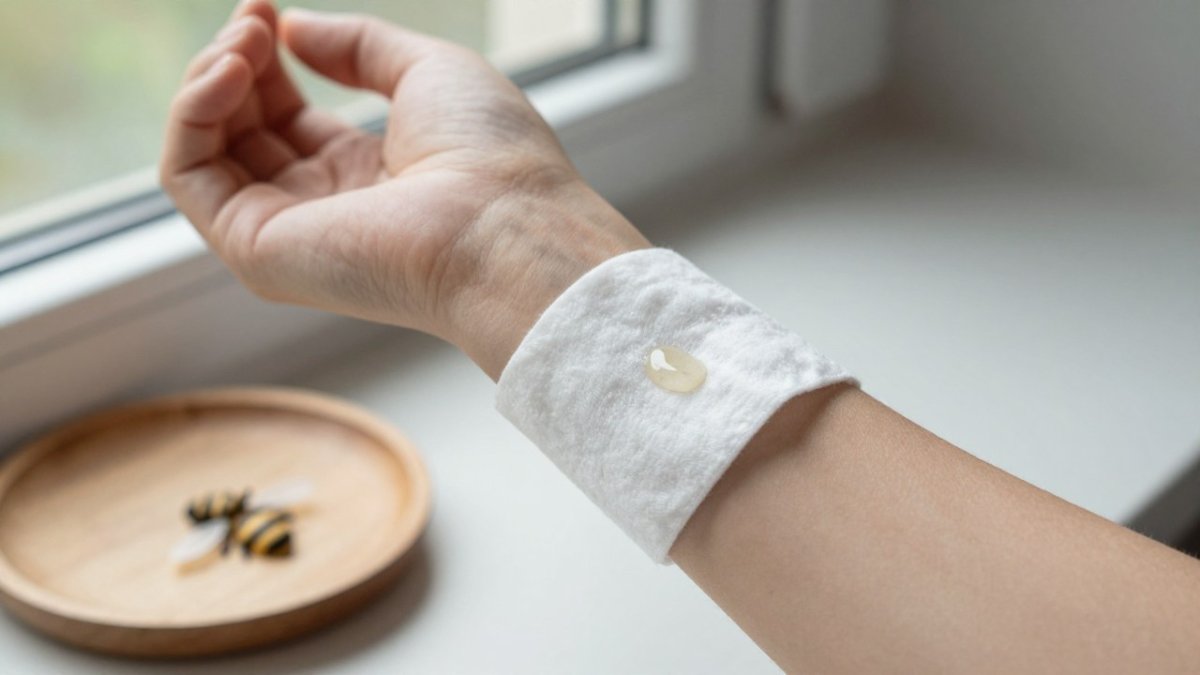
- Apply a small amount of the perfume to the inside of your forearm or behind your ear.
- Wait 24 to 48 hours without washing the area.
- Check for redness, itching, bumps, or burning.
- If the test area stays calm, try the scent on a larger area for a few days.
- Stop using the product if any irritation appears, and talk to a dermatologist if symptoms persist.
Introduce one new fragrance at a time, so you know which product caused a reaction if one occurs.
Tell irritation apart from allergy
A patch test can reveal two different patterns, and they call for different responses. Irritant contact dermatitis usually shows up quickly, stinging, redness, or dryness within minutes to hours, and tends to stay confined to where you applied the product. Allergic contact dermatitis is an immune response that can take 24 to 72 hours to appear, may spread beyond the application site, and can worsen with repeated exposure. If you have reacted to a fragrance before, a second exposure can trigger a stronger response, so do not repeat a test on skin that already reacted.
Scent-related symptoms are a separate issue. Headaches, sneezing, or breathing discomfort from strong fragrance are not skin-contact reactions, and a patch test will not predict them. If scent itself is the trigger, a lighter concentration or a different product is the practical fix.
Check the evidence behind the claim
"Hypoallergenic" is not a regulated term in the United States, and the Food and Drug Administration does not define or certify it. That means a sensitive-skin claim can rest on dermatologist testing, on a short ingredient list, or on marketing language alone. When you compare products, look for a stated testing method, a disclosed allergen list, and a clear ingredient panel. Evidence you can read is more useful than a badge you cannot verify.
Watch out: a clean patch test on your forearm does not guarantee the same result on your neck or wrists, where skin is thinner and more exposed, test the actual application area before committing to daily wear.
Your Next Step: Find a Gentle Daily Scent at The Beekeeper's Basket
Choosing a hypoallergenic perfume takes careful reading, a patch test, and a scent that suits your skin. Start with a light formula and a short ingredient list, then build your routine from there.
Frequently Asked Questions
What does hypoallergenic perfume mean?
Hypoallergenic is a marketing term, not a regulated standard in the United States. It generally means a product was formulated to reduce common allergens or irritants, but it does not guarantee that no one will react. The Food and Drug Administration does not certify perfumes as hypoallergenic, so the label reflects the brand's own formulation choices. Check the ingredient list for known fragrance allergens and look for products that disclose full ingredients, since that transparency matters more than the word itself.
Is there a truly allergy-free perfume?
No perfume is guaranteed to be allergy-free for everyone. Skin sensitivity is individual, and even gentle natural essential oils can trigger reactions in some people. A fragrance with fewer ingredients and no added synthetic musks may lower the chance of a reaction, but patch testing remains the most reliable way to find out what your own skin tolerates.
How can I test a perfume before wearing it every day?
Apply a small amount to the inside of your forearm or behind the ear, then wait at least 48 hours and watch for redness, itching, or a rash. Repeat the test for several days before making the scent part of your routine. Start with a light application on the first daily wear, and stop immediately if irritation appears.