 blog
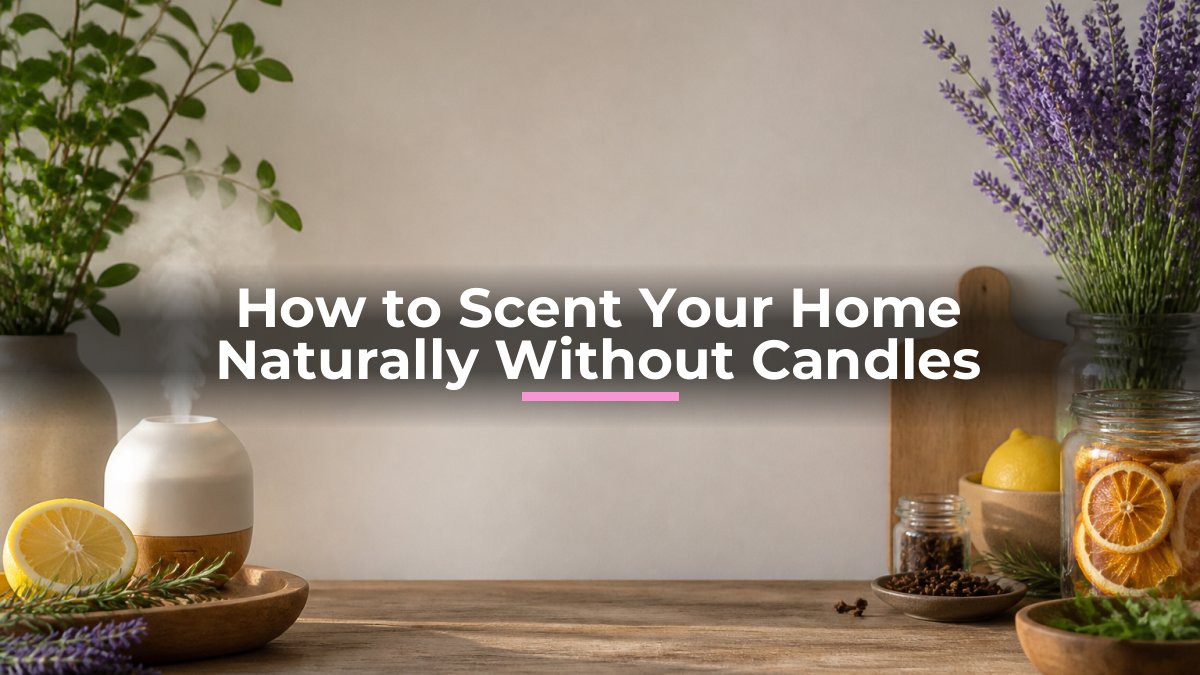
How to Scent Your Home Naturally Without Candles
Last Updated: October 27, 2026
Quick Summary
You can scent home naturally without candles using simmer pots of water, fruit and herbs, or a room spray made from distilled water and a few drops of essential oil. Fresh flowers, citrus, beeswax melts and open windows also freshen rooms without any chemicals. These options avoid open flames and synthetic fragrance oils.
- A simmer pot combines water, sliced citrus and whole spices on low heat.
- A room spray uses about 2 ounces of distilled water with 10 to 15 drops of essential oil.
- Spray room sprays into the air, not directly onto fabric or wood, since oils can stain.
- Buy essential oils from sellers who publish a batch-specific certificate of analysis.
- Replace a baking soda bowl placed in the fridge or closet every month or two.
Table of Contents
- Why Skip Candles When You Want a Naturally Scented Home
- Simmer Pot Recipes That Fill a Room With Warm Scent
- Make a Natural Room Spray Recipe for Quick Freshening
- Choosing Essential Oils for Home Fragrance
- Simple Ways to Let Fresh Air and Natural Materials Do the Work
- How to Make Your House Smell Good Naturally Every Day
- Reading Fragrance Labels and Patch Testing Before You Commit
- Choose Your First Natural Scent and Start This Weekend
- Frequently Asked Questions
Why Skip Candles When You Want a Naturally Scented Home
Candles are the default for many American households, but they are not the only way to fill a room with pleasant scent. Open flames, soot and synthetic fragrance oils are considerations when choosing how to scent a room. This guide from The Beekeeper's Basket shows you seven practical ways to scent home naturally without candles, using ingredients you may already have.
Some people also find that candle scents hit them as a headache trigger. If that sounds familiar, you are not alone.
- Simmer pots use water, fruit and herbs
- Room sprays use water and a few drops of plant-based oil
- Fresh flowers and citrus add scent without any chemicals
- Beeswax melts give a soft, clean fragrance in a warmer
Simmer Pot Recipes That Fill a Room With Warm Scent
A simmer pot is one of the easiest ways to scent home naturally without candles. Add water, sliced citrus and whole spices to a small pot, then keep it on low heat. The steam carries the scent through the room.

Try one of these simple combinations:
- Orange slices, cinnamon sticks and cloves
- Lemon rounds with fresh rosemary
- Apple slices, vanilla bean and star anise
Keep an eye on the water level. Add more as it evaporates, and never leave the pot unattended on the stove.
Make a Natural Room Spray Recipe for Quick Freshening
A natural room spray is the fastest option when guests arrive. Mix about 2 ounces of distilled water with 10 to 15 drops of essential oil in a small glass spray bottle. Shake well before each use.
Spray into the air, not directly onto fabric or wood, since oils can stain. Test a small hidden area first, especially on delicate upholstery.
Choosing Essential Oils for Home Fragrance
Choosing essential oils for home fragrance is simpler than it looks, but the quality of what you buy matters more than the scent name on the label. Start with one or two scents you already enjoy, such as lavender, eucalyptus or sweet orange, and buy small bottles first so you can test how strong each one feels in your space.
Read the Label Like a Formulator
A true essential oil is the volatile aromatic compound extracted from a single plant, usually by steam distillation or cold pressing, and its label should say so. Watch for these red flags:
- "Fragrance oil" or "perfume oil", these are almost always synthetic blends, even when the bottle shows a lavender field.
- "Natural fragrance", the term is not defined or enforced by the FDA for fragrance, so a brand can use it while still including synthetic isolates and carriers.
- No botanical name, a reputable bottle lists the plant's Latin name (for example, Lavandula angustifolia) and the plant part used.
- "Therapeutic grade" or "aromatherapy grade", these are marketing terms, not regulated standards. There is no government body that certifies them.
Dilution Ratios That Actually Work
Essential oils are concentrated, and a little goes a long way. For room sprays, most practitioners dilute to roughly 1-2% essential oil in distilled water, about 10 to 15 drops per 2 ounces, which is the ratio in the spray recipe above. For diffusers, follow the manufacturer's water line rather than guessing; overfilling the oil well is the most common cause of clogged diffusers and headaches.
Safety Notes Most Guides Skip
- Pets: Cats in particular lack the liver enzymes to process many terpenes, and oils high in limonene or pinene (citrus, pine, tea tree, eucalyptus) are the usual culprits. Check with your vet before diffusing around cats, birds or reptiles.
- Phototoxicity: Cold-pressed citrus oils (bergamot, lime, lemon) can make skin sensitive to sunlight for up to 12 hours after contact. Never apply them to skin before going outdoors.
- Pregnancy and children: Keep strong oils like clove, cinnamon and rosemary out of rooms where infants sleep, and consult a clinician before using any oil during pregnancy.
If you want to go deeper on which plant compounds deserve caution, our guide on natural perfume ingredients to avoid: a safety guide walks through the specific names to look for on a label.
Simple Ways to Let Fresh Air and Natural Materials Do the Work
Some of the best scent comes from what you already keep around the house. You do not need to add anything.
Fresh Flowers, Herbs and Citrus
A vase of fresh flowers or a bowl of citrus fruit can perfume a room all week. Lavender, rosemary and lemon are easy choices. Swap the water every few days so it stays fresh.
Beeswax Melts and Natural Scent Sources
Beeswax melts are an option for a natural home. Browse our Sunflower Beeswax Melts for a ready-made, gentle scent source you can use instead of a candle. Our beeswax melts are designed to enhance the senses. For tips on using them safely, read our guide on how to use beeswax melts in a ceramic warmer safely.
Here is a quick look at the everyday options this section covers and what each one is best for.
| Option | Best for | Key difference |
|---|---|---|
| Fresh flowers | Lasting scent all week | Swap water every few days |
| Citrus fruit bowl | Simple natural fragrance | No chemicals needed |
| Beeswax melts | Soft, clean fragrance | Designed to enhance the senses |
| Baking soda bowl | Absorbing trapped odors | Replace every month or two |
How to Make Your House Smell Good Naturally Every Day
Daily habits matter more than one big effort. Open windows for ten minutes each morning to refresh the air. Wash fabrics like curtains and pillow covers regularly, since they hold odors. Keep trash sealed and take it out often.
Place a small bowl of baking soda in spaces that trap smell, such as the fridge or a closet. Replace it every month or two.
Reading Fragrance Labels and Patch Testing Before You Commit
Most Americans assume "natural" on a fragrance label means something. It does not. The FDA regulates cosmetics and drugs, but it does not define or enforce the word "natural" for fragrance, and the Fair Packaging and Labeling Act lets companies list the single catch-all term "fragrance" or "parfum" in place of dozens of individual compounds. That is the loophole: a bottle can say "natural fragrance" and still contain synthetic musks, phthalates or petroleum-derived carriers.
How to Decode an Ingredient List
Read the full list, not the front of the bottle. Here is what common terms actually mean:
- Essential oil, should list the plant's Latin name; if it doesn't, you cannot verify what you are breathing.
The Patch Test Protocol (Step by Step)
- Re-test new batches. Essential oil chemistry varies by harvest, so a blend that suited you last year may not suit you this year.
The Question Competitors Skip: Are Natural Ingredients Always Safe?
If you want a scent that suits sensitive skin and airways, our guide on natural perfume ingredients to avoid: a safety guide explains which ingredients deserve a closer look.
Choose Your First Natural Scent and Start This Weekend
Pick one method from this list and try it this weekend. Once you find a scent you love, you can build from there.
When you are ready to go further, how to choose a signature botanical scent: a step-by-step guide walks you through picking a scent that fits your home. Explore our full collection at The Beekeeper's Basket and let's explore your favorite natural scent together.
Frequently Asked Questions
What are some natural ways to make your home smell good without candles?
Simmer pots, natural room sprays, fresh flowers, herbs and citrus peels, and beeswax melts are options. Open windows for a few minutes each day to let fresh air replace stale air.
How long does natural home fragrance last?
Duration depends on the method. A simmer pot usually scents a room while it is simmering and for a short time after, so most people refresh it every few hours or add water and fresh ingredients as needed. Room sprays last from a few minutes to an hour or so, depending on airflow and room size. Beeswax melts and dried botanicals can scent a space for several days to a few weeks. Stronger scents in closed rooms last longer than in open, ventilated areas.
Are essential oils safe to use around pets?
Some essential oils can be harmful to cats and dogs, especially cats, which lack the liver enzymes needed to process many oils safely. Oils such as tea tree, eucalyptus, peppermint, citrus and wintergreen are commonly flagged as potentially toxic to pets. Diffusing them in a closed room or applying them to surfaces can expose animals to concentrated vapor. Keep pets out of rooms where you are diffusing, ventilate well, and check with a veterinarian before using oils in a home with animals.
Can fragrance oils cause allergies?
Yes. Fragrance oils and essential oils can trigger contact dermatitis, respiratory irritation or headaches in sensitive people. Synthetic fragrance blends often contain many undisclosed ingredients, and some common components are known skin sensitizers. Patch test any new product by applying a small amount to the inner forearm and watching for 24 to 48 hours before using it more widely. If you have asthma, a history of allergies or sensitive skin, start with a lower concentration and use scents in ventilated spaces.