 blog
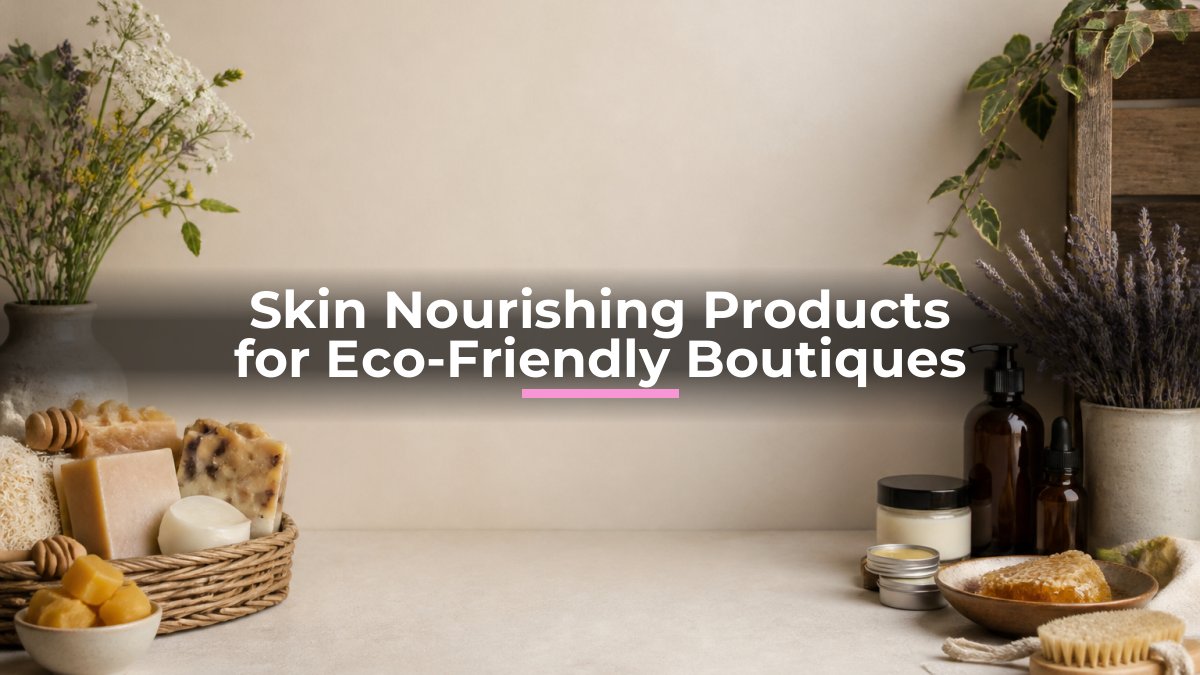
Skin Nourishing Products for Eco-Friendly Boutiques
Quick Summary
Eco-friendly boutiques stock skin nourishing products because customers now want the same standards in skincare that they expect from organic produce and refillable home goods. Strong picks combine humectants, emollients and occlusives, such as honey, shea butter, jojoba and beeswax, and offer a range of formats from lotions to balms. Owners should verify claims and check sourcing before committing shelf space.
- Customers who buy organic produce and refillable goods now expect the same standards in skincare.
- Effective nourishing formulas combine at least two of three types: humectants, emollients and occlusives.
- Beeswax gives balms their structure and staying power, which suits winter hand treatments.
- Natural does not automatically mean non-irritating, so check labels carefully for sensitive skin.
- Request a written wholesale quote and ask for batch and best-by dates before ordering.
Table of Contents
- Why Eco-Friendly Boutiques Are Stocking Skin Nourishing Products
- Best Ingredients for Dry Skin in Natural Formulations
- Natural Moisturizers for Dry Skin: What to Stock
- Sensitive Skin Considerations and Fragrance Choices
- Evaluating Sustainable Skincare Packaging
- Verifying Sourcing, Supplier Claims and Wholesale Economics
- Building a Natural Skincare Routine to Recommend to Customers
- Stocking Your Boutique: Next Steps With The Beekeeper's Basket
- Frequently Asked Questions
Why Eco-Friendly Boutiques Are Stocking Skin Nourishing Products
Eco-friendly boutiques are adding skin nourishing products because their customers are asking for them. Shoppers who already buy organic produce and refillable home goods now want the same standards in their skincare. For a boutique owner, that means the shelf space is no longer a side project.
Many boutiques find that natural skincare sells best when the product story is clear. A customer who understands why an ingredient is there is more likely to buy it.
The Beekeeper's Basket makes bee-inspired soaps, lotions, perfumes and beeswax melts in small batches in New England. We think the boutique case for stocking these items rests on three things: freshness, a short ingredient story, and gift-friendly packaging. The rest of this guide explains how to evaluate those claims before you put a product on your shelf.
Best Ingredients for Dry Skin in Natural Formulations
Dry skin loses water in two directions: water evaporates from the surface (transepidermal water loss), and the skin's lipid barrier lacks the fats it needs to hold moisture in. Nourishing formulas usually work one of three ways: humectants pull water toward the skin, emollients soften and fill the gaps between skin cells, and occlusives form a seal that slows evaporation. A well-built product combines at least two of the three.
Here is how the common natural ingredient families compare, so you can read a label and predict how a product will behave on the shelf and on the skin.
- Humectants, honey, glycerin, aloe, sodium hyaluronate. These attract and hold water. They help a lotion feel hydrating rather than greasy, but in very dry air a humectant alone can pull moisture from deeper skin layers. Pair them with an emollient or occlusive for best results.
- Emollients, plant oils such as jojoba, sunflower, sweet almond, and olive; shea and cocoa butter. These soften rough texture and improve spreadability. Jojoba tends to feel light; shea butter is richer and better suited to body care and night balms.
- Occlusives, beeswax, candelilla wax, lanolin (animal-derived), and petrolatum (not natural). These slow water loss. Beeswax gives balms and salves their structure and staying power, which is why it appears in lip balms, cuticle salves, and winter hand treatments.
- Barrier-support ingredients, colloidal oatmeal, panthenol, ceramides (usually synthesized). Oatmeal is well recognized for soothing dry, itchy skin; panthenol is a humectant that also supports the skin barrier.
Reading the list like a buyer. Ingredients are listed in descending order of concentration until the 1% mark, after which order is not strictly enforced. Be cautious when fragrance or a long extract blend sits near the top of a label.
Match the format to the skin type, not just the ingredient. A more useful shelf logic:
- Dry and mature skin: richer creams and balms with shea butter, jojoba, and beeswax; look for barrier-support ingredients like panthenol or oatmeal.
- Sensitive or reactive skin: short ingredient lists and fragrance-free options; check labels carefully.
- Oily and acne-prone skin: lightweight lotions and gels with jojoba or squalane rather than heavy butters; a rich balm belongs on dry patches, not the whole face.
- Combination skin: a mid-weight lotion plus a targeted balm for cheeks and hands covers both needs without forcing a single formula.
A rich, oily balm can feel luxurious but may clog pores on acne-prone skin. Recommend it for dry patches, hands, and winter routines, not as a daily all-over face product for oily customers.
For a closer look at finished honey-infused products, see our roundup of 10 best honey-infused skincare products for glowing skin.
Natural Moisturizers for Dry Skin: What to Stock
When you choose moisturizers for dry skin, prioritize texture and use case. Lotions suit everyday wear, while thicker balms work well for hands, elbows and winter routines.
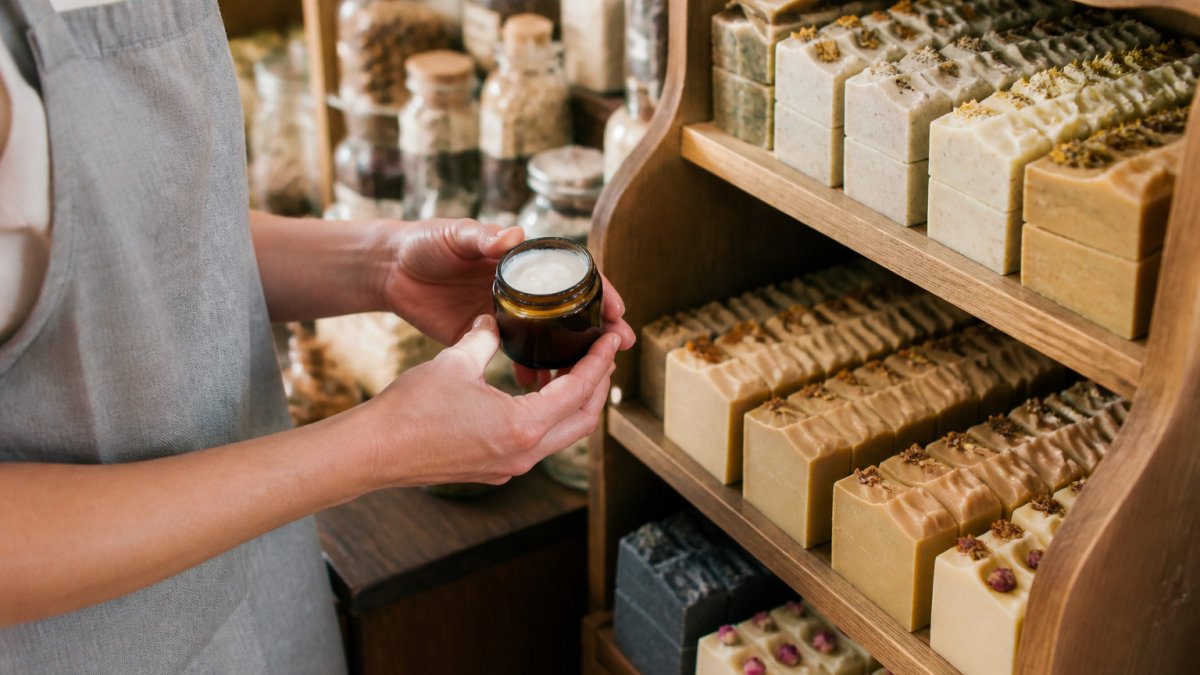
Stock a range, not a single formula. A lightweight lotion sells to customers who want daily hydration. A solid balm sells as a gift or travel item. A bar soap that is gentle enough for dry skin gives a lower-cost entry point.
Natural soaps deserve particular attention. A comparison of natural soaps for dry skin can help you decide which formats to feature.
Here is a quick way to match each moisturizer format to its best use and sales role.
| Format | Best for | Key difference |
|---|---|---|
| Lightweight lotion | Everyday hydration | Sells to customers wanting daily moisture |
| Solid balm | Gifts and travel | Thicker texture for hands and winter routines |
| Natural bar soap | Lower-cost entry point | Gentle enough for dry skin |
Sensitive Skin Considerations and Fragrance Choices
Sensitive skin reacts to specific ingredients, most often fragrance. Many customers with reactive skin ask whether natural products are safer. The honest answer is that natural does not automatically mean non-irritating. Plant-derived ingredients can still trigger reactions in some people.
A common mistake is assuming "unscented" and "fragrance-free" mean the same thing. Unscented products may contain masking ingredients. Fragrance-free products contain no added fragrance. Retailers should check labels carefully and be able to explain the difference.
For a deeper look at how reactions happen, read our guide on whether natural skincare can cause allergic reactions.
Fragrance choices also matter for boutique assortment. Offer lightly scented and unscented options side by side so customers can choose without guessing.
Evaluating Sustainable Skincare Packaging
Sustainable packaging is more than a recyclable label. Ask whether containers are refillable, whether the material can be recycled locally, and whether the brand offers a take-back or refill program.
Glass jars and tins are common in natural skincare. They feel premium but add weight and shipping cost. Aluminum and paper-based options can lower weight, though recycling access varies by city and state.
Packaging claims should be specific. "Eco-friendly" alone tells a shopper nothing. A claim such as "recyclable glass with a paper label" is far easier to verify.
Verifying Sourcing, Supplier Claims and Wholesale Economics
A boutique buyer needs a repeatable way to check a supplier before signing a wholesale agreement. This section gives you a verification sequence and the economics to plan around.
Step 1: Verify the claims that carry legal weight. In the United States, terms like "organic" on a cosmetic label are governed by the USDA National Organic Program only when a product is certified; otherwise the word is used loosely. "Natural" has no single legal definition for cosmetics, so treat it as a marketing term until the supplier shows you the ingredient list and sourcing records. Ask for:
- A current certificate and certifying body name for any organic, cruelty-free, or fair-trade claim, and confirm the certificate number with the issuer.
- Ingredient provenance: country or region of origin for the headline ingredients (honey, beeswax, shea, olive oil), and whether the supplier buys direct or through a distributor.
- A specification sheet or certificate of analysis (COA) for each batch, which shows identity and purity testing.
- The FDA establishment registration and, where applicable, the Cosmetic Ingredient Review (CIR) status for ingredients you are unsure about.
Step 2: Pressure-test the sustainability language. "Eco-friendly" and "clean" are not regulated. Ask the supplier to convert each claim into a specific, checkable fact: which container material, which recycling stream, which refill or take-back program, and who operates it.
Step 3: Run the wholesale math before you commit shelf space. Small-batch suppliers often have lower minimums but higher unit costs, so margin planning matters more than the sticker price. Build a simple unit economics sheet for each SKU:
- Landed cost = wholesale unit price + inbound freight + any duties, divided by units received.
- Target margin = (retail price − landed cost) ÷ retail price. Boutiques commonly aim for a keystone (roughly 50%) margin on skincare, though gift and impulse items can run lower.
- Turn and shelf life. Ask for the batch date and best-by date. A fresh small-batch lotion may have a shorter window than a mass-market one; order in quantities you can sell before the date, and rotate stock first-in, first-out.
- Minimum order quantity (MOQ) and case pack. Confirm whether the MOQ is in units or dollars, whether you can mix SKUs to hit it, and whether reorders carry the same minimum.
- Tester and damage policy. Ask whether the supplier provides testers, how damaged or short-dated stock is handled, and what the return window is.
Request a written wholesale quote rather than relying on published retail prices. Pricing depends on quantity, order timing, and delivery terms, so ask The Beekeeper's Basket for a current quote before you plan an order.
Step 4: Plan replenishment around sell-through, not guesswork. Track weekly unit sales for the first 60-90 days, then set a reorder point at roughly two to three weeks of average sales plus a safety buffer for lead time. Small-batch lead times can stretch during peak gifting seasons, so confirm production schedules in advance.
Customers do ask why artisan products cost more. The answer usually comes down to small batches, hand-finished details, and fresher inventory. Your staff should be able to explain that in one clear sentence, and your margin sheet should prove it.
Building a Natural Skincare Routine to Recommend to Customers
Customers rarely buy a single product in isolation. A simple routine helps them use what they buy. A basic sequence might include a gentle cleanser, a moisturizer suited to their skin type, and a richer balm for nights or cold weather.
Keep routines short. Three steps are easier to remember than six. Pair each step with a product type your boutique already stocks.
Make recommendations based on skin type and concern, not on what is most profitable. A customer with reactive skin needs a different routine from one who wants a gift for a friend.
Stocking Your Boutique: Next Steps With The Beekeeper's Basket
Start small. Choose three to five skin nourishing products that cover daily moisture, a richer treatment, and a gift option. Track which items sell and which customers return.
Ask every supplier for ingredient lists, packaging details and sourcing information before you commit. Compare those answers against the criteria in this guide.
The Beekeeper's Basket offers handcrafted soaps, lotions, perfumes and beeswax melts made in small batches in New England. Let's explore what fits your shelf! Visit our website for current pricing and to request a wholesale quote.
Frequently Asked Questions
What skincare products are best for dry skin?
For dry skin, look for products built around occlusive and humectant ingredients: shea butter, jojoba oil, glycerin, and beeswax are common choices. Rich balms and creams tend to suit very dry skin, while lighter lotions work better for combination skin. Patch-test any new product for 48 hours before full use, since natural formulations can still trigger reactions in sensitive skin. Stock a range of textures so customers can match the product to their skin's needs.
How can I tell if a skincare product is eco-friendly?
Check the full ingredient list for transparency, look for plant-based or biodegradable ingredients, and ask the maker where ingredients are sourced. Packaging matters too: recyclable glass, aluminum, or refillable containers reduce waste, and minimal packaging lowers environmental impact. Be cautious of vague claims like 'natural' with no supporting detail. Ask suppliers for documentation on sourcing and production practices before listing their products.
What makes skincare packaging sustainable?
Sustainable skincare packaging typically uses fewer materials, avoids unnecessary plastic, and can be recycled, refilled, or composted at end of life. Glass jars and tins are widely recyclable in many U.S. communities, though local recycling rules vary. Refill systems and concentrated formulas further reduce waste. When evaluating packaging, ask suppliers about material sourcing, recyclability, and whether they offer take-back or refill options.
How do I build a simple natural skincare routine for dry skin?
A simple routine uses three steps: a gentle, non-stripping cleanser, a hydrating step such as a facial mist or light essence, and a moisturizer sealed with a richer balm or oil on dry areas. Use lukewarm water and pat skin dry rather than rubbing. Apply moisturizer while skin is still slightly damp to help retain moisture. Consistency over several weeks matters more than adding many products at once.