 How-to
How to Choose Botanical Perfume Ingredients to Look For
Quick Summary
The botanical perfume ingredients to look for are named plant materials rather than vague terms like "natural fragrance." Check the plant part, such as flower, peel, wood or resin, and the extraction method, such as essential oil, absolute or CO₂ extract. A clear label that names its base and discloses allergens is a good sign.
- Look for named materials, not just "natural fragrance" or "parfum" on the label.
- Ask which extraction method was used: essential oil, absolute, CO₂ extract or resin.
- Check that the plant part is listed, such as flower, citrus peel, wood, root or resin.
- Confirm a carrier or alcohol base is named and that known allergens are disclosed.
- Patch test on the inner forearm and wait 24 to 48 hours before wearing a new scent.
Table of Contents
- What Botanical Perfume Means and How It Is Made
- Plant Parts Used in Perfumery and Scent Families
- Natural Perfume vs Synthetic Fragrance: What Actually Differs
- Perfume Making Ingredients List: A Buying Checklist
- How to Read Ingredient Labels and Spot Vague Claims
- Choosing Botanical Perfume for Sensitive Skin and Safety Checks
- How to Make Natural Perfume Without Alcohol and What to Expect
- Frequently Asked Questions
What Botanical Perfume Means and How It Is Made
Last Updated: November 20, 2026
Botanical perfume is fragrance built mainly from plant-derived materials rather than lab-made aroma chemicals. Knowing which botanical perfume ingredients to look for starts with understanding how those materials are extracted, because the extraction method shapes the scent, the price and the skin experience.
Botanical perfume is a fragrance made from aromatic materials that come from flowers, leaves, roots, woods, seeds, peels and resins. Most of these materials are concentrated through a process called extraction.
Essential oils, absolutes, CO₂ extracts, and resins
Each extraction method produces a different raw material, and each one suits different products.
- Essential oils are usually made by steam distillation or cold pressing. They are light and volatile, which is why citrus peel oils often smell bright and fresh.
- Absolutes are made with solvents and capture more of the flower's aromatic compounds. They are thicker and richer, and they are common in jasmine and rose perfumery.
- CO₂ extracts use pressurized carbon dioxide to pull a cleaner, more complete scent profile without heat. They tend to smell closer to the living plant.
- Resins such as frankincense and benzoin are sticky, warm materials that add depth and help a scent last longer on the skin.
A useful buying habit is to ask which method a product uses.
Plant Parts Used in Perfumery and Scent Families
Perfumers draw on many plant parts, and each part tends to produce a recognizable scent family with its own behavior on skin. Knowing the botanical perfume ingredients by part and family helps you predict both the smell and how long it will last.
Flowers yield the largest group of botanical materials. Rose, jasmine, neroli (from bitter orange blossom), ylang-ylang, and lavender are common examples. Floral absolutes are rich and long-lasting, while distilled floral oils such as lavender are lighter and fade faster. Most floral materials sit in the heart of a fragrance.
Leaves and herbs produce green, aromatic notes. Examples include peppermint, rosemary, basil, violet leaf, and patchouli (a leaf that reads as woody-earthy). These materials are usually volatile and can smell sharp or camphoraceous at high concentration, so they are often used in small amounts.
Citrus peels give bright, fresh top notes. Bergamot, lemon, lime, grapefruit, and sweet orange are cold-pressed from the rind. Citrus oils are highly volatile, so they tend to fade within the first hour and are common in colognes and summer fragrances.
Woods and roots provide base notes and fixative support. Sandalwood, cedarwood, vetiver (a root), and orris root are examples. These materials are dense and slow to evaporate, which is why they anchor a scent and extend wear time. Orris root is also a classic powder note.
Seeds, bark, and resins add spice, warmth, and depth. Cardamom, coriander, and tonka bean are seeds; cinnamon and cassia are barks; frankincense, myrrh, and benzoin are resins. Resins are sticky and long-lasting and are often used to help a botanical blend hold together.
Scent families group these materials by feel. The five families you will see most often are floral, citrus, woody, herbal, and spicy. A sixth, resinous or balsamic, overlaps with spicy and woody. Knowing the family helps you predict how a perfume will smell before you test it, and knowing the plant part helps you predict whether it will sit on top of the blend or anchor it.
Watch out: a label that lists only a scent family (for example, "floral") without naming the plant part or material gives you little to evaluate, so treat it as a starting point rather than a full disclosure.
The article groups common botanical materials by plant part, and each part tends to behave differently on skin.
| Plant part | Examples named | Typical role |
|---|---|---|
| Flowers | Rose, jasmine, neroli, ylang-ylang, lavender | Heart of the fragrance |
| Leaves and herbs | Peppermint, rosemary, basil, patchouli | Green, aromatic notes; used sparingly |
| Citrus peels | Bergamot, lemon, lime, grapefruit, sweet orange | Bright top notes; fade within the first hour |
| Woods and roots | Sandalwood, cedarwood, vetiver, orris root | Base notes that extend wear time |
| Seeds, bark, and resins | Cardamom, cinnamon, frankincense, benzoin | Spice, warmth, and depth |
Natural Perfume vs Synthetic Fragrance: What Actually Differs
Natural perfume and synthetic fragrance differ in source, consistency, variability, and performance. Natural materials come from plants, so their scent can shift slightly from one harvest to the next depending on weather, soil, and distillation batch. Synthetic aroma chemicals are built in a lab, so they tend to smell identical batch after batch.
The practical difference shows up in three places:
- Consistency. A natural rose absolute may smell slightly different from year to year, while a synthetic rose accord can be reproduced exactly. Makers who want a stable signature scent often blend natural and synthetic materials.
- Performance. Many synthetic molecules are designed to be long-lasting and to project strongly. Botanical materials vary widely: citrus oils fade quickly, while resins and woods last for hours. A purely botanical perfume often needs a higher concentration of base materials to achieve similar longevity.
- Cost and supply. Some botanicals are expensive or scarce because they require large amounts of plant material per drop of oil. Synthetic versions can offer a similar scent at lower cost and with more reliable supply.
Neither approach is automatically better. Synthetics can offer stable scents and long wear at lower cost. Botanical materials offer complexity and a closer link to the plant. A plant origin does not guarantee gentleness, so you should still check ingredients and patch test.
A common pattern in botanical perfumery is to use natural isolates, which are single molecules purified from plant sources, alongside whole botanical extracts. This lets a maker keep a plant-derived story while improving consistency and performance. If a label says "natural" but lists isolates, that is not necessarily a problem, but it is useful to know what you are buying.
Watch out: "natural" and "synthetic" are not safety categories. Some natural materials, such as certain citrus oils and oakmoss, are well-known sensitizers, while some synthetic molecules are among the gentlest options available.
Perfume Making Ingredients List: A Buying Checklist
Use this checklist when you compare products. A well-made botanical perfume should be able to answer most of these questions:
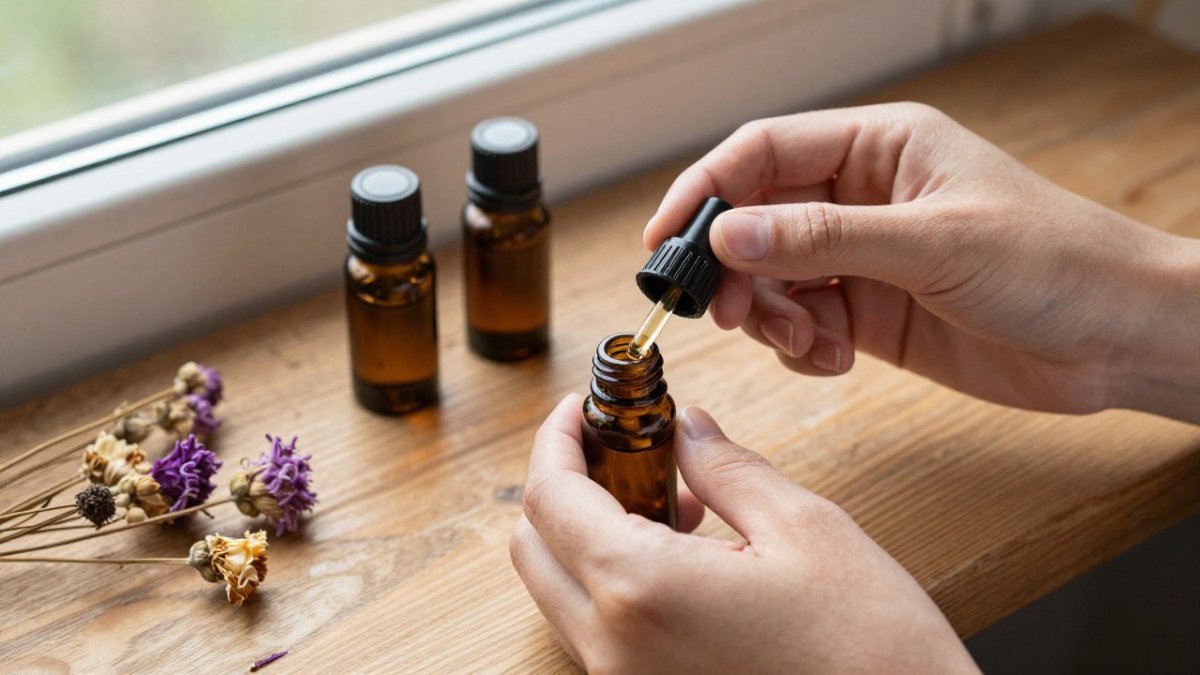
- Are the main ingredients named, not just described as "natural fragrance"?
- Does the label name the extraction method for key materials?
- Is the plant part listed, such as flower, peel or resin?
- Does the maker state where or how the materials were sourced?
- Is a carrier or alcohol base named?
- Are known allergens disclosed?
Browse the full range of botanical scents and gift sets to see how these details appear on real products. For a deeper look at what to avoid, our natural perfume ingredients safety guide walks through the materials that deserve extra caution.
How to Read Ingredient Labels and Spot Vague Claims
Labels often use words that sound reassuring but say little. Terms like "100% natural," "pure" and "clean" are not regulated in a consistent way, so treat them as marketing until the label backs them up with specific ingredients.
Look for named botanicals, a stated base, and the plant part or extraction method. Be cautious when a label lists "fragrance" or "parfum" without detail, because that can hide many individual materials. Where a product claims a benefit, ask what evidence supports it.
Choosing Botanical Perfume for Sensitive Skin and Safety Checks
Sensitive skin reacts to specific materials, not to "natural" or "synthetic" as categories. Some botanical materials, such as certain citrus oils, can irritate skin or increase sun sensitivity, while some synthetics are gentle. A reaction is far more likely to come from a particular ingredient than from the plant origin itself.
Before wearing a new scent, apply a small amount to the inner forearm and wait 24 to 48 hours. If redness, itching or stinging appears, stop using the product. Shoppers with a history of reactions should also check the chemical-free perfume options for sensitive skin and our hypoallergenic daily perfumes for gentler starting points, and read our guide to botanical perfume and migraines if strong scents tend to trigger headaches.
How to Make Natural Perfume Without Alcohol and What to Expect
Alcohol-free natural perfume usually relies on a carrier oil, such as jojoba or fractionated coconut oil, in place of ethanol.
Expect a learning curve. Without alcohol, scent blends develop more slowly and may need several days to settle. Start with small batches, label your blends, and note how each one smells after a day, because the scent will change as it rests.
Explore our small-batch botanical collection to compare alcohol-free and alcohol-based options side by side.
Frequently Asked Questions
What ingredients should you look for in botanical perfume?
Look for named botanical sources on the label, such as rose absolute, bergamot essential oil, or sandalwood, rather than generic terms like 'fragrance' or 'parfum' alone. Good botanical perfumes usually list the plant part and extraction method, such as flower absolute, citrus peel oil, or CO₂ extract. Check whether the ingredient list is short and recognizable, and whether the brand discloses the carrier base, typically alcohol, jojoba oil, or fractionated coconut oil. Ingredient names that reveal the origin make it much easier to compare products and to spot ingredients you already react to.
Are botanical perfumes safer than synthetic fragrances for sensitive skin?
Not automatically. Botanical perfumes can still contain allergens, and many natural materials such as citrus oils, oakmoss, and some resins are recognized skin sensitizers. Synthetic fragrances can be gentler for some people because their composition is more controlled. The safer approach for sensitive skin is to look for fewer ingredients, clearly named materials, and a patch test on the inner forearm for 24 to 48 hours before wearing a product regularly.
How long does botanical perfume last on skin?
Botanical perfumes often last less time than synthetic fragrances because many natural materials are lighter and more volatile, and they can have a softer projection. Expect a few hours for light floral or citrus compositions and longer for resinous or woody blends. Application to moisturized skin, pulse points, and fabric can extend wear. Perfume oils and solid perfumes made with waxes or resins tend to hold longer than alcohol-based sprays.
What ingredients should people with sensitive skin watch for in perfume?
Watch for citrus oils such as lemon, bergamot, and lime, which can cause photosensitivity and irritation, as well as oakmoss, cinnamon, clove, and certain resins that are common allergens. Fragrance blends listed simply as 'parfum' can hide many materials, so brands that disclose individual ingredients give you more control. Start with a single small application and patch test before committing to a full bottle.